
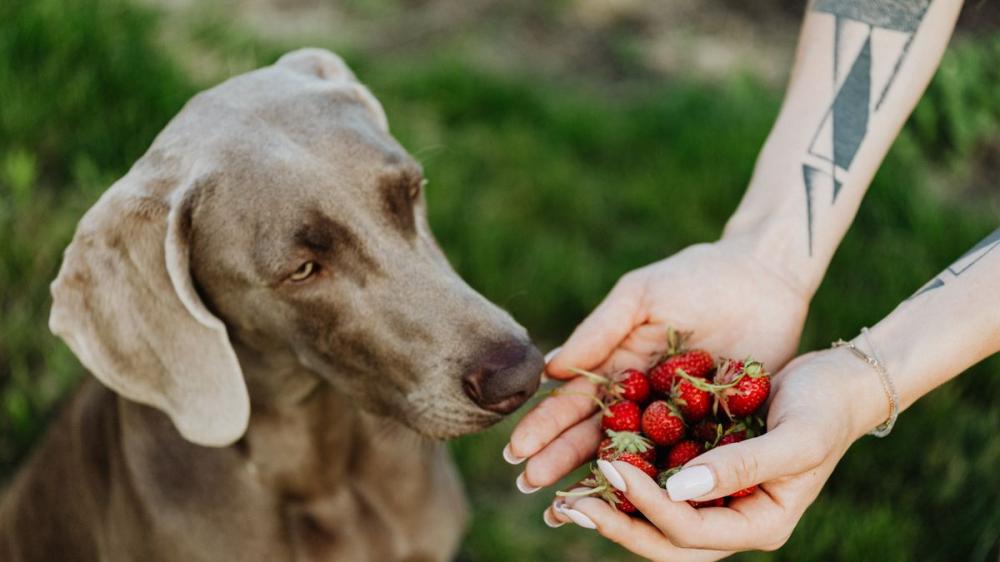
Foods that dogs should never eat include anything containing chocolate, grapes and raisins, onions and garlic, or the sweetener xylitol, as well as cooked bones and fatty or salty foods. Some of these cause only a mild stomach upset, while others can be life-threatening even in small amounts.
At Cute Cat, we often hear dog owners ask: "Will it hurt him if I give him a bit of my food?" In this article we answer that in detail, and explain the warning signs and what to do right away.
Quick summary
- The most dangerous foods: chocolate, grapes and raisins, onions and garlic, and xylitol (a sweetener found in gum and some desserts).
- Cooked bones and fatty or salty foods cause digestive problems and blockages.
- If your dog eats something questionable, call your vet right away and do not wait for symptoms to appear.
- It is best to store food out of your dog's reach and use treats made specifically for dogs.
Why are some of our foods harmful to dogs?
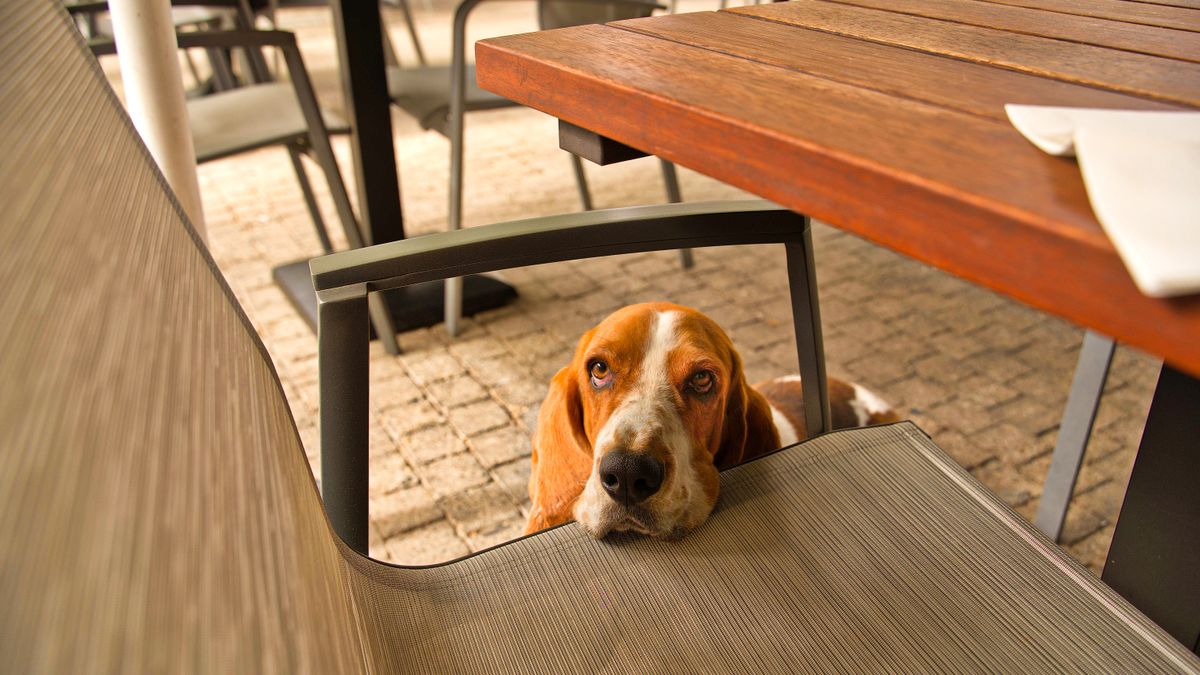
A dog's body processes food differently from a human body. There are substances we digest easily that a dog cannot clear as quickly, so they build up and harm the organs.
A small dog's size also means that a small amount can be a large dose for their body. A piece of chocolate that would not hurt a person could cause a problem for a small dog.
That is why the safe rule is simple: do not feed your dog from your plate unless you are sure the food is suitable for them.
Chocolate, cocoa and caffeine
Chocolate contains a substance called theobromine, which dogs cannot clear well. The darker and purer the chocolate, the greater the risk.
Warning signs that call for contacting your vet:
- Vomiting or diarrhea
- Extreme thirst and frequent urination
- A racing heartbeat, restlessness or hyperactivity
- Tremors or seizures in severe cases
The warning also covers coffee, tea and energy drinks, because caffeine affects a dog's heart and nervous system.
Grapes, raisins, onions and garlic
Grapes and raisins can cause kidney failure in some dogs, and no amount is known to be safe. It is safest to avoid them completely, even in cakes and pastries that contain raisins.
Onions, garlic and leeks damage red blood cells and can cause anemia. They remain harmful whether raw, cooked, dried or ground into spice mixes.
Pay particular attention to leftovers cooked with onion and garlic, such as soup, seasoned rice and sauces. The effect may not show up on the same day, so watch your dog for several days and tell your vet if you notice lethargy or pale gums.
Xylitol, sweets and drinks
Xylitol is an artificial sweetener found in sugar-free gum, some desserts, toothpaste and some brands of peanut butter. It is one of the most dangerous things your dog could come across, because it can cause a severe drop in blood sugar and liver damage.
Read the ingredients of any product before giving it to your dog, especially peanut butter, which many dogs love.
Also keep in mind:
- Alcohol in any form, including in rising bread dough or some desserts.
- Sweets and sugary foods, because they cause obesity and dental problems.
- Milk and dairy in large amounts, since many dogs are lactose intolerant and get diarrhea.
Bones, fatty foods and salty foods

The classic picture of a dog with a bone is endearing, but cooked bones are dangerous because they splinter into sharp fragments that can injure the mouth, stomach or intestines. Even large bones can break teeth or get stuck in the throat.
Fatty foods, such as fried chicken skin, fat trimmings and greasy leftover grilled meat, can cause inflammation of the pancreas. Its symptoms include repeated vomiting, abdominal pain, lethargy and loss of appetite.
Too much salt is another problem. Crackers, pickles, salted nuts and seasoned leftovers are not suitable for dogs, and they can cause extreme thirst and distress.
Nuts, fruits and other foods that need caution
Some foods look healthy but are not suitable:
- Macadamia nuts: can cause weakness in the limbs, tremors and vomiting.
- Avocado: the pit is a blockage risk, and the skin and leaves are not suitable for dogs.
- Fruit pits such as peach, apricot and date: can cause intestinal blockage or choking.
- Corn cobs: large pieces are among the most common causes of intestinal blockage.
- Raw yeast dough: expands in the stomach and can cause dangerous bloating.
- Spoiled or moldy food: including garbage and old leftovers.
Other fruits, such as apples without seeds and watermelon without seeds, can be given in small pieces and small amounts, but they are not a substitute for your dog's main diet.
What should you do if your dog eats a forbidden food?
Staying calm and acting quickly matter most. Follow these steps:
- Remove any remaining food from your dog right away.
- Try to find out what they ate, how much, and when, and keep the product packaging if there is any.
- Call a vet right away and give them your dog's weight and the information above.
- Do not make your dog vomit, and do not give any medicines or herbs on your own unless the vet tells you to.
- If you see tremors, severe weakness, difficulty breathing or continuous vomiting, go to the nearest clinic without delay.
Acting early makes a big difference, so do not wait for symptoms to appear. If you are in Jeddah, you can contact the Cute Cat veterinary clinic to consult a specialist vet.
How can you protect your dog and reward them safely?
Prevention is easier than treatment. These habits help at home:
- Keep chocolate, sweets and medicines in closed cabinets.
- Use a trash can with a tight lid.
- Do not leave food on the table or sofa when your dog is alone.
- Remind guests and children not to give your dog anything from their plates.
- Choose treats made for dogs, and give them in small amounts.
The best way to reduce begging at the table is to make sure your dog's daily food is complete and filling. At Cute Cat you will find a range of dog food and treats designed for their needs.
Related Articles
- Cat Food: The Complete Guide to Feeding Your Cat from Kitten to Senior
- The Best Cat Food: How to Choose the Right Type for Your Cat with Confidence
Frequently asked questions
Is chocolate toxic to all dogs?
Yes, it is unsuitable for any dog. But the risk is higher with dark chocolate and with small dogs. If your dog swallows any, contact your vet.
Can I give my dog a bone?
Never give cooked bones. Even raw bones can break teeth or cause a blockage, so ask your vet or choose chew toys made for dogs.
Can a single grape hurt?
There is no known safe amount, and the response varies from dog to dog. It is safest to avoid grapes and raisins completely, and if your dog eats any, call your vet.
Can dogs eat human food?
Some simple, unseasoned foods, such as boiled boneless chicken, can be a small extra. But do not make it a habit, and do not change your dog's diet without consulting your vet.
How do I know if my dog has been poisoned?
Signs include vomiting, diarrhea, lethargy, excess drooling, tremors, loss of appetite or a change in behavior. Any of these signs, together with the possibility that your dog ate something forbidden, is a reason to call your vet.
If you want to choose suitable food for your dog so they do not crave table scraps, browse dog supplies at Cute Cat and pick what suits their age and size.