
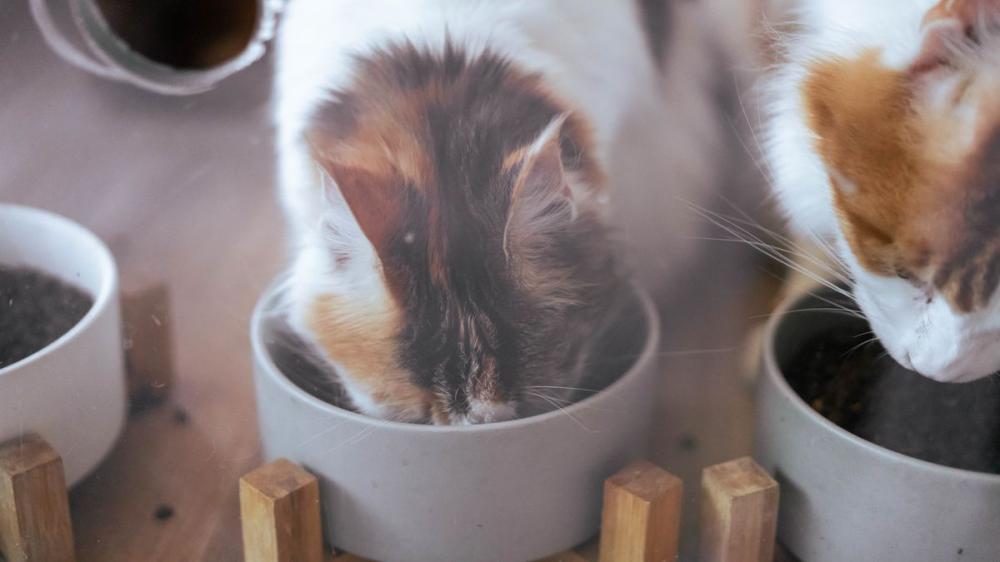
The best cat food is not one brand that suits everyone. It is a complete and balanced food that fits your cat's age and condition, that her body tolerates, and that she enjoys eating. Cats are natural carnivores, so an animal protein source should come first in the ingredients.
In this article we cut through the confusion: what to read on the packaging, whether to choose dry or wet food, and how to switch to a new food without problems. And if you want the full picture, we have Cat food: the complete guide to feeding cats from kittenhood to old age.
We write this from everyday experience. Cat owners at Cute Cat ask us about food all the time, and most of those questions come down to one: how do I know this is the best fit?
Quick summary
- Choose a food labeled "complete and balanced" for your cat's life stage.
- Look for a clear animal protein source at the top of the ingredients.
- Combining dry and wet food is a practical option for many cats.
- Change food gradually over 7 to 10 days, not all at once.
What does "best" mean for your cat?
The best food differs from one cat to another. A fast-growing kitten does not need what a senior cat needs, and a low-activity indoor cat differs from an energetic one.
So before buying, ask yourself three things:
- How old is my cat? A kitten, an adult, or a senior?
- Is she spayed or neutered? Neutering changes her calorie needs.
- Does she have an allergy or a health condition that the vet knows about?
If she has a health condition, the decision belongs to the vet, not the packaging. For therapeutic diets, see Prescription cat food: a guide to therapeutic diets for kidney, urinary and liver conditions.
How to read the ingredient label
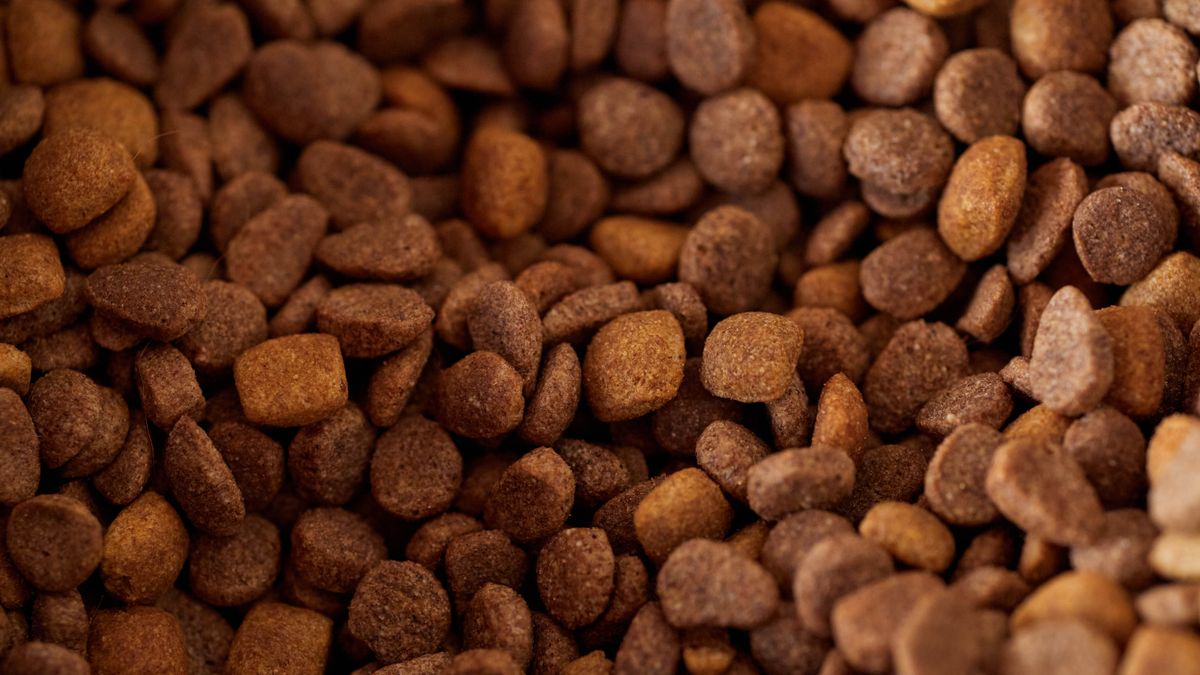
The label on the back is more honest than the picture on the front. Ingredients are usually listed from the highest weight to the lowest, so look at the first three.
What to look for:
- A clear animal protein source such as chicken, fish or turkey, not a vague term.
- A statement that the food is complete and balanced for a specific life stage.
- Taurine among the nutrients, since cats need it and cannot go without it.
Avoid food that puts grains and fillers at the top of the list instead of meat. And do not be fooled by big marketing words; what counts is the written formula.
Dry, wet, or both?
Each type has its own advantage, and no type is always "the best".
Dry food:
- Easy to store and serve, and it can stay in the bowl for a while without spoiling quickly.
- Practical for busy households and for splitting into meals.
- Needs clean water available next to it at all times.
Wet food:
- High water content, which helps cats that do not drink much.
- Its smell and taste appeal to a cat with a small appetite.
- Once opened, it should be kept in the fridge and served before it spoils.
Many cat owners choose to combine both: dry food through the day and a portion of wet food at one or two meals. This balances convenience and hydration.
Choosing food by age and condition
Food labeled for kittens contains energy and nutrients suited to growth. Adult food is designed to maintain weight and health.
- Kittens: kitten food until growth is complete, served in several meals a day.
- Adult cats: adult food in measured portions based on weight.
- Spayed or neutered cats: they tend to gain weight, so choose a suitable food and watch the portion.
- Senior cats: food suited to older cats, and it is wise to have the vet assess their condition.
Do not feed a kitten adult food, or the reverse, on a regular basis, because their needs are different.
How to switch to a new food safely

Cats are sensitive to sudden changes in food, and you may see digestive upset or refusal to eat. The solution is a gradual transition.
- In the first few days, mix a quarter new food with three quarters of the old.
- After several days, make it half and half.
- Then increase the new food until it fully replaces the old within 7 to 10 days.
If vomiting or persistent diarrhea appears, or she stops eating for more than a day, stop the trial and consult your vet.
Good food without waste: how to choose wisely
Many people look for economical food, and that is understandable. But the cheapest bag is not necessarily the best value; calculate the cost based on daily consumption, not just the price of the bag.
A good-quality food may need a smaller amount to keep your cat satisfied. A poorly formulated food may make you serve more and switch types again and again.
Practical tips:
- Buy a small pack first to test whether your cat accepts it.
- Follow the amount on the packaging for her weight, and adjust it according to her body condition.
- Seal the bag well and store it somewhere cool and dry.
- Always check the expiry date.
And if you would like help comparing options, the Cat Supplies section at Cute Cat has a range of foods for different life stages.
Signs the food suits your cat
Her body will give you the answer. After a few weeks on a particular food, watch for:
- A shiny, clean coat without excessive shedding.
- Good energy and a regular appetite.
- Firm stools without a sharp smell.
- A steady weight that suits her size.
On the other hand, watch out for repeated vomiting, itching, diarrhea, or loss of appetite. These are signs that call for a vet visit, not just a change of brand. For a general look at symptoms, see Cat diseases and treatment: a complete guide to symptoms and when to see a vet.
Related Articles
- Cat Food: The Complete Guide to Feeding Your Cat from Kitten to Senior
- Foods Dogs Should Never Eat: The Most Dangerous Ones and What to Do If Your Dog Eats Them
- Prescription Cat Food: A Guide to Therapeutic Diets for Kidney, Urinary and Liver Health
- Cat Medications: Your Complete Guide to Veterinary Pharmacy and Safe Use
Frequently asked questions
What is the best food for kittens?
A food made for kittens and labeled complete and balanced for growth. Serve it in several meals through the day, and do not swap it for adult food before growth is complete.
Is wet food better than dry food?
No type is best in every case. Wet food helps with hydration and appeals to a picky appetite, dry food is practical and easy to store, and combining them is an excellent option for many cats.
How often should I feed my cat per day?
Adult cats usually eat two to three times a day, and kittens need more meals. The exact amount depends on her weight and the packaging recommendation.
Can I feed my cat from our own food at home?
Human food is not recommended as the basis of her diet, since some foods are harmful to her, and home cooking may not cover all her needs. It is best to rely on a balanced food made for cats.
When should I change my cat's food?
When she moves from one life stage to another, after spaying or neutering, or on your vet's recommendation. In every case, make the change gradually.
If you are looking for the right food for your cat, browse the Cat Supplies section at Cute Cat and choose what suits her age and condition. We are here to help if you are unsure.