

Understanding cat diseases and their treatment starts with one skill: telling apart a minor symptom you can watch at home from a warning sign that needs a vet right away. This guide covers the most common feline health problems, from digestion and kidneys to skin, eyes and infectious diseases, and explains when keeping an eye on things is enough and when it simply can't wait.
We wrote this guide at Cute Cat because the thing we hear most from cat owners in Jeddah is: "I didn't know that symptom was serious." Cats are experts at hiding pain, and an attentive owner is their first line of defense.
The quick summary
- A cat that strains to pee and produces nothing, breathes with its mouth open, or refuses food for more than a day needs a vet the same day.
- Kidney and urinary tract diseases are among the most common problems in cats, especially in males and older cats.
- Some cat diseases can pass to people, such as ringworm and toxoplasmosis, and they are easy to prevent with good hygiene and regular checkups.
- Never give your cat human medicine or medicine meant for dogs. Some of these are toxic to cats even in small amounts.
When Does Your Cat Need a Vet? Warning Signs and Emergencies

Not every sneeze or bout of vomiting is cause for concern. But some signs mean your cat needs an urgent checkup, because waiting can change the outcome entirely.
Signs that need a vet immediately
- Repeated attempts to pee with no urine or only a few drops, especially in male cats.
- Difficulty breathing, open-mouth breathing, or pale or bluish gums.
- Repeated vomiting within the same day, or vomit or stool containing blood.
- Seizures, sudden loss of balance, or inability to move the back legs.
- Swallowing a foreign object such as string or rubber bands, or eating a toxic plant or human medicine.
- A deep wound, a fall from a height, or any accident, even if your cat seems fine.
- A swollen belly that is painful to the touch, or hiding along with sudden, severe lethargy.
Signs that need an appointment soon
- Refusing food for more than 24 hours. Cats, especially overweight ones, are at risk of liver complications if they go without food for too long.
- A noticeable increase in drinking or in the amount of urine.
- Gradual weight loss despite eating.
- Diarrhea lasting more than two days, or vomiting that keeps recurring over several days.
- Constant scratching, patchy hair loss, or discharge from the eyes or nose.
The simple rule: any sudden change in your cat's behavior, appetite or litter box habits deserves attention. And if you're unsure, calling the vet is better than waiting.
Digestive Diseases in Cats
Digestive problems are one of the most common reasons cat owners visit the clinic. Some are passing and resolve on their own, while others point to a deeper illness that needs a diagnosis.
Vomiting
Cats sometimes vomit because of hairballs or eating too fast, and this is usually nothing to worry about if it's rare and your cat is back to normal afterwards. Frequent vomiting, however, can be linked to stomach and intestinal inflammation, kidney or liver problems, or a swallowed foreign object.
Be especially careful if you see a string hanging from your cat's mouth or bottom: do not pull it out yourself, as it may be wrapped around the intestines. Go straight to the vet.
Diarrhea
Diarrhea has many causes: a sudden change in food, internal parasites, infection or food allergies. Kittens lose fluids quickly, so diarrhea in a kitten shouldn't be left for long.
Constipation
A cat that hasn't passed stool for more than two days, or strains in the litter box without result, may be constipated. It's important to tell this apart from a urinary blockage, because the two look similar but the level of danger is completely different.
Internal parasites
Worms are common, especially in kittens and cats that go outdoors. Signs include a swollen belly, poor growth, a dull coat, and sometimes visible worms in the stool.
Treatment is a dewormer suited to your cat's age and weight, chosen by the vet, along with a regular follow-up schedule for prevention.
How to reduce digestive problems
- Switch foods gradually over about a week, never suddenly.
- Brush your cat regularly, especially long-haired cats, to reduce hairballs.
- Keep string, rubber bands and plastic bags out of reach.
- Stick to the deworming schedule your vet sets.
Kidney and Urinary Tract Diseases in Cats
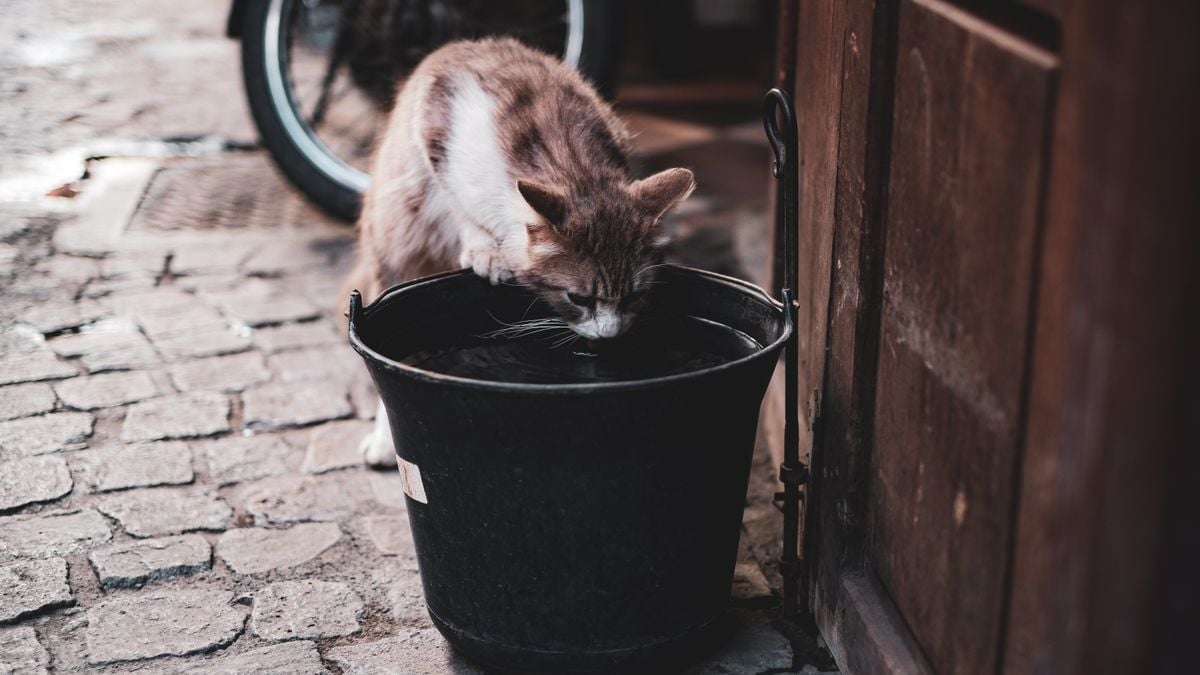
The kidneys and urinary tract are a well-known weak spot in cats. Part of the reason is that cats originally come from desert environments, so they naturally don't drink much and rely on their kidneys to concentrate urine.
Urinary blockage: an emergency
Male cats in particular are prone to urinary blockages because their urethra is narrow. A blockage can be caused by crystals, stones or inflammation. It is one of the most serious emergencies in cats and can become life-threatening within a short time.
The signs: going in and out of the litter box repeatedly, straining without producing urine, crying while trying, and licking the genital area. If you see this in a male cat, don't wait until tomorrow.
Cystitis and lower urinary tract problems
You may notice frequent peeing in small amounts, blood in the urine, or peeing outside the litter box. These signs can be linked to bladder inflammation, which is strongly affected by stress and low water intake, or to crystals, stones or infection.
Diagnosis usually requires a urine test, and sometimes X-rays or an ultrasound. Treatment depends on the cause.
Chronic kidney disease in senior cats
As many cats age, their kidneys gradually lose function. The problem is that signs often don't appear until a large part of kidney function has already been affected.
The main signs:
- Drinking more water and producing more urine.
- Weight loss and poor appetite.
- A rough, dull coat.
- Occasional vomiting and unusual breath odor.
That's why regular blood and urine tests are recommended for cats from around seven years of age, since early detection helps slow the disease's progress.
How is kidney disease managed?
Chronic kidney disease can't be cured, but many cats live well with it for years when it's properly managed. Management usually includes:
- A prescription kidney-support diet, dry or wet, chosen by the vet according to the stage of the disease.
- Encouraging more drinking through wet food, water fountains and bowls placed around the home.
- Medication to control blood pressure, phosphorus or nausea when needed.
- Regular follow-up tests to adjust the plan.
Don't start a prescription kidney diet without talking to your vet. It's designed for specific conditions and may not suit a healthy cat or a kitten.
Skin Diseases and External Parasites in Cats
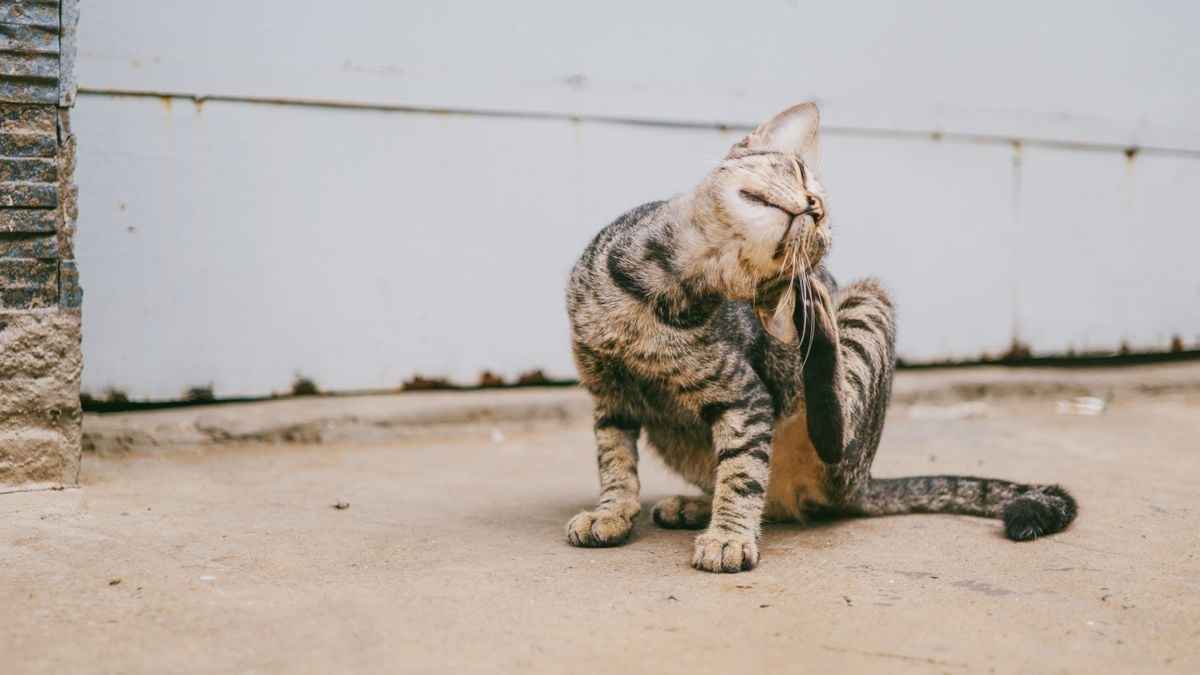
The skin is a mirror of your cat's health. Constant itching, patchy hair loss, flaking and redness are all messages worth having checked.
Ringworm
Despite the name, ringworm is a fungal infection and has nothing to do with worms. It usually shows up as round, hairless patches, especially on the head, ears and legs, sometimes with light flaking.
It spreads more among kittens, cats with weak immunity and in crowded places. Importantly, it is contagious to people and to other pets in the home, so it needs a full course of treatment and a thorough cleaning of the environment.
Fleas
Fleas are one of the most common causes of itching. They can transmit tapeworms and cause anemia in kittens. Some cats are allergic to flea saliva, so just a few bites can trigger intense itching and sores.
Important warning: flea products made for dogs can be toxic to cats, especially those containing permethrin. Only use a product made for cats, at the correct dose for their weight.
Mange and mites
Some types of mites cause intense itching and crusting, especially around the ears and face. Diagnosis is made by examining a skin scraping under the microscope, and effective treatment is available under a vet's supervision.
Skin allergies
Allergies can be triggered by food or by the environment, such as dust or pollen. They show up as itching, excessive licking and hair loss, especially on the belly and legs. Diagnosing them takes patience and sometimes a special diet trial lasting several weeks.
When should a skin problem worry you?
- If the patches spread, or start appearing on people in the household too.
- If sores appear from excessive scratching.
- If a swelling or lump appears under the skin, or an abscess after a fight with another cat.
- If itching continues for more than a week despite flea treatment.
Eye, Ear and Mouth Diseases in Cats
These areas are small, but their problems are common, and many start with subtle signs that are easy to overlook.
Eye diseases
Conjunctivitis is one of the most common eye problems in cats. It shows up as redness, discharge and excessive tearing, and is often linked to viral respiratory infections. Corneal ulcers, on the other hand, usually show up as a closed eye or constant blinking.
The eye is very sensitive, so never put human eye drops in it without a prescription, as some drops can make an ulcer worse. A closed eye, or a change in eye color or cloudiness, needs a vet the same day.
Ear diseases
Ear mites are very common in kittens and show up as dark discharge that looks like coffee grounds, along with head shaking and ear scratching. Bacterial or fungal infections can also occur.
Never push cotton swabs deep into your cat's ear. Clean only the visible part with a dedicated ear cleaner, and treat according to the diagnosis.
Mouth and dental diseases
Mouth problems in cats are more common than most owners expect. They include gum disease, tartar buildup, tooth resorption and chronic stomatitis. Cats often keep eating despite the pain, so the problem may only become obvious late.
Signs that call for a mouth exam:
- Strong, unpleasant breath.
- Drooling, or chewing on one side of the mouth only.
- Dropping food, or suddenly preferring soft food over dry.
- Redness along the gum line or bleeding gums.
Infectious and Viral Diseases in Cats
Viral diseases are among the most serious threats to cats, especially kittens and unvaccinated cats. The good news is that most of them can be prevented with vaccinations given on schedule.
Cat flu (upper respiratory infection)
Cat flu is caused by common respiratory viruses and shows up as sneezing, a runny nose, eye discharge, and sometimes mouth ulcers and fever. An infected cat may lose its appetite because it can't smell its food.
Treatment is usually supportive: keeping your cat warm and hydrated, cleaning away discharge, and encouraging it to eat, along with treatment for any secondary bacterial infection if the vet decides it's needed.
Panleukopenia (feline distemper)
A highly contagious and dangerous virus, especially for kittens. It causes severe vomiting and diarrhea, lethargy and a rapid collapse of the immune system, and it can survive in the environment for long periods.
Any unvaccinated kitten showing these symptoms needs a vet immediately and should be kept apart from other cats.
Chronic viral diseases
- Feline leukemia (FeLV): a virus that weakens the immune system, usually spread through close contact. A rapid test is available at the clinic.
- Feline immunodeficiency virus (FIV): usually spread through bites during fights. An infected cat can live a good life with monitoring and care.
- Feline infectious peritonitis (FIP): a complex disease caused by a mutation of a common virus, and it needs careful assessment by a vet.
Diseases in kittens
Kittens are more vulnerable to internal and external parasites, cat flu, diarrhea and ear mites. Their immunity is weak, so their condition can deteriorate faster than an adult cat's.
If you adopt a kitten, schedule its first checkup within the first few days after it arrives, before it mixes with any other cats in your home.
Vaccination is the first line of defense
Core vaccinations protect against the most serious of these diseases, along with the rabies vaccine, which your vet will advise on based on your cat's needs and timing. For the full schedule by age, see our guide to cat vaccination and prevention from kittenhood to senior years.
Cat Diseases That Can Spread to People: What Is the Truth?
Many people worry about diseases that pass from cats to humans, especially pregnant women. The truth is that living with a healthy cat under regular veterinary care is safe for most people, as long as you follow some simple hygiene habits.
Toxoplasmosis
Toxoplasmosis is an infection caused by a parasite, and cats are the host in which the parasite completes its life cycle and sheds its eggs in their stool. However, a cat usually sheds these eggs for only a short period after its first infection, and it typically shows no obvious symptoms.
It's also important to know that people are often infected through undercooked meat and unwashed vegetables, not through cats alone.
Toxoplasmosis and pregnancy
The real risk is when a woman is infected for the first time during pregnancy, because the infection can affect the baby. That's why there are some simple, effective precautions:
- Have someone else clean the litter box if possible, or clean it wearing gloves and wash your hands thoroughly afterwards.
- Clean the litter box daily, because the eggs need a day or more to become infectious.
- Keep your cat indoors and feed it commercial or cooked food, not raw meat.
- Wash your hands after gardening or handling soil.
Diagnosis in people, such as a pregnant woman who wants to know her status, should be done by her own doctor. Toxoplasmosis symptoms in people are often mild or absent, so you can't rely on symptoms alone. A test ordered by the doctor is what counts.
Testing your cat for toxoplasmosis
Your vet can run a blood test that shows whether your cat has been exposed to the parasite before. This may reassure you or show whether extra precautions are needed, but it doesn't replace the hygiene rules above.
Other diseases that can pass from cats to people
- Ringworm: appears in people as red, round, itchy patches. It's treated by a dermatologist, while the cat is treated at the same time.
- Cat scratch fever: a bacterial infection that can be passed through scratches or bites. The risk drops with flea control and by cleaning any scratch thoroughly.
- Internal parasites: some can pass to people, especially children. Prevention means regular deworming and handwashing.
- Rabies: rare but extremely serious. Any bite from an unknown animal, or one showing neurological symptoms, needs a doctor immediately.
How to Handle Your Cat's Treatment at Home
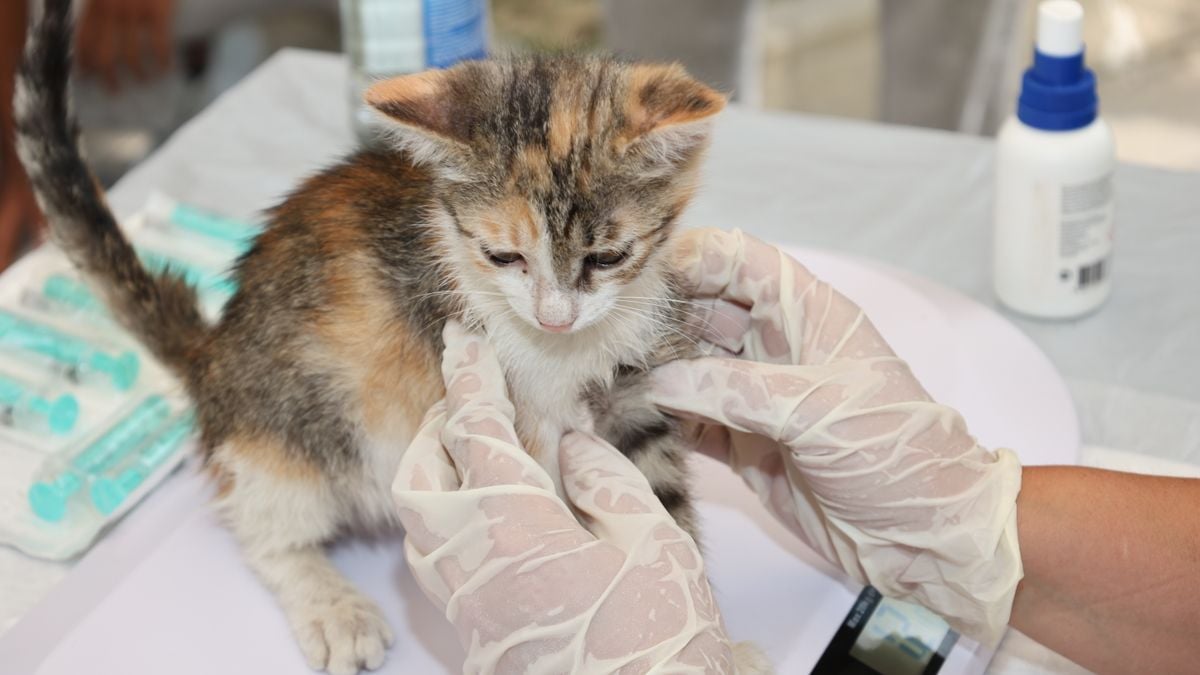
Successful treatment doesn't depend on the right diagnosis alone. It also depends on how consistent you are at home after the clinic visit. These are the most important rules we always stress to cat owners at Cute Cat.
Golden rules for home treatment
- Never give human medicine: paracetamol, for example, is toxic to cats, and many common painkillers are dangerous for them.
- Finish the full course: even if your cat improves after two days, stopping antibiotics early can bring the infection back stronger.
- Stay on schedule: tie doses to a fixed daily routine such as mealtimes, and set a phone reminder.
- Watch and write it down: keep a daily note of eating, drinking, urine, stool and activity. This helps the vet a lot during follow-up.
- Go to the follow-up appointment: many conditions need a re-check or a repeat test to adjust treatment.
Tips for giving medicine more easily
- Ask the vet or pharmacist whether the medicine comes as a liquid or paste, which can be easier for your cat.
- Don't crush tablets or mix them into food unless you've confirmed this is allowed for that particular medicine.
- Gently wrap your cat in a towel if it resists, and reward it after every dose.
- If your cat refuses the medicine completely, tell the vet rather than skipping doses.
A space that supports recovery
Give a sick cat a quiet, warm spot close to its water and litter box. Keep stress as low as possible, since stress alone can slow recovery and make some problems, such as cystitis, worse.
When it's hard to transport your cat, or for cats that get very stressed outside the home, a home vet visit can be a more comfortable option for both of you.
Prevention: How to Lower Your Cat's Risk of Disease
Most of what we've covered can be reduced or caught early with simple, regular habits. Prevention is always easier than treatment, for your cat and for you.
- An annual checkup for adult cats, and twice a year for senior cats or cats with chronic conditions.
- Vaccinations on time, according to your vet's schedule.
- Regular deworming and flea control, using products made for cats.
- A balanced diet suited to your cat's age, while encouraging it to drink water.
- A litter box cleaned daily. It's also an early warning tool for any change in urine or stool.
- Spaying or neutering, which can reduce some health and behavior problems, as your vet advises.
- Keeping toxic plants away, especially lilies, which can cause acute kidney failure in cats even in small amounts.
Most importantly, know your cat well: its usual appetite, energy level and favorite sleeping spots. That knowledge is what lets you notice illness before it gets serious.
Note: This content is for general awareness only and does not replace examination and diagnosis by a veterinarian. If your cat shows any worrying symptoms, see a vet without delay.
Related Articles
Frequently Asked Questions
What are the most dangerous cat diseases?
Some of the most dangerous include urinary blockage in male cats, panleukopenia in unvaccinated kittens, kidney failure, and poisoning from human medicines or plants. These conditions need fast veterinary care.
Can cat diseases spread to humans?
Some can, such as ringworm, toxoplasmosis and certain internal parasites. But the risk of infection is very low with a healthy cat under regular veterinary care, combined with handwashing and cleaning the litter box daily.
Do I need to give up my cat if I am pregnant?
In most cases, no. Following the toxoplasmosis precautions is enough: have someone else clean the litter box, or clean it daily wearing gloves, keep your cat indoors and feed it commercial food. Ask your doctor which test is right for you.
How long can a cat go without eating?
A cat should not go without food for more than 24 hours without consulting a vet. Going without food for too long, especially in overweight cats, can cause a serious liver problem.
How can I tell if my cat is in pain?
Cats hide pain, but signs include hiding, moving less, sitting hunched, a change in facial expression, aggression when touched, and neglecting grooming. Any of these changes is worth a checkup.
Can kidney disease in cats be treated?
Chronic kidney disease can't be fully cured, but it can be managed well with a prescription diet, increased water intake, medication and regular follow-up. Many cats live with it for years with a good quality of life when it's caught early.
If you notice any of the signs we've mentioned in your cat, don't hesitate to book an appointment at the Cute Cat veterinary clinic for a full examination and a clear treatment plan. If traveling is hard on your cat, you can request the mobile veterinary clinic to come to your home, and find your cat's prescribed medicines at our veterinary pharmacy.