
If your cat suddenly shows signs such as drooling, repeated vomiting, trembling, or severe lethargy after being exposed to something unusual, treat it as possible poisoning and call your vet right away. Do not wait for more symptoms to appear, because time is a decisive factor in poisoning.
This article explains the symptoms of cat poisoning, what to do in the first few minutes, and what to avoid. It covers one specific angle of a broader topic, which you can find in Cat Diseases and Treatment: The Complete Guide to Symptoms and When to See the Vet.
At Cute Cat, we see cases that begin with a simple moment at home: a chewed plant or a pill that fell on the floor. That is why we have laid out the steps clearly, so you can read them in a hurry.
Quick summary
- Symptoms may be digestive, neurological, or respiratory, and with some toxins they can be delayed by hours or even days.
- Call the vet immediately, move your cat away from the source of the poison, and take the packaging or a sample with you.
- Do not force your cat to vomit, and do not give any human medication or home remedy on your own.
- Most poisoning cases can be prevented by making your home safe.
The Main Symptoms of Poisoning in Cats
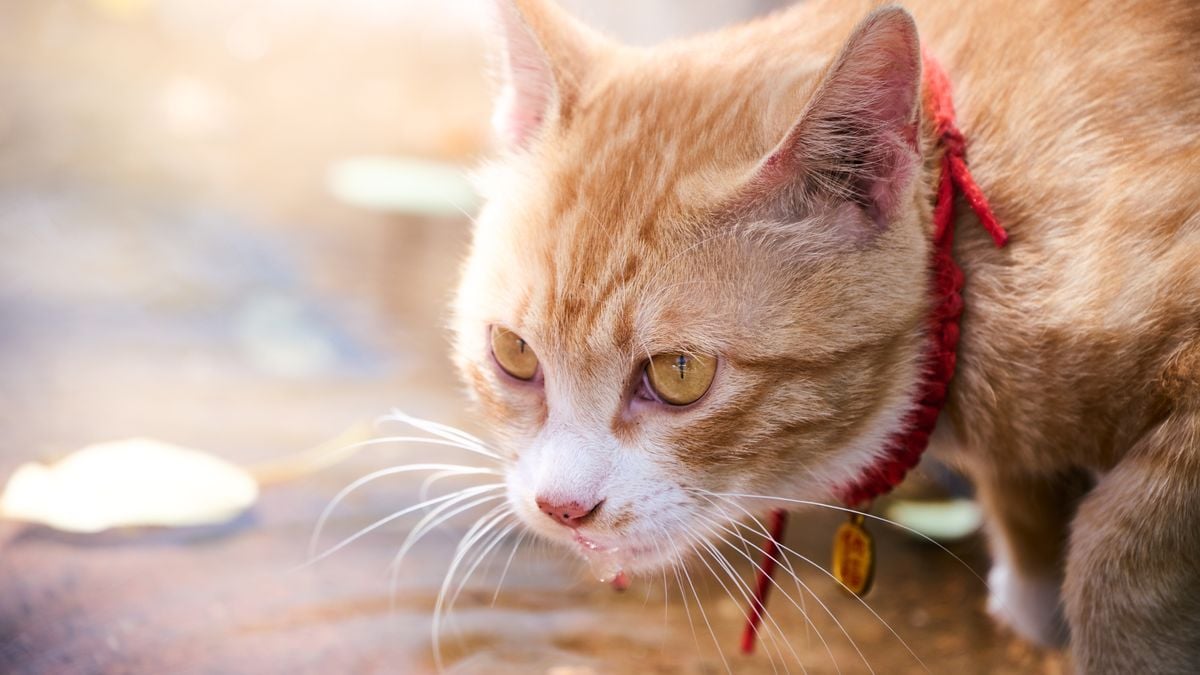
The signs vary depending on the type and amount of the poison, but some symptoms come up again and again and deserve your attention. Even one of them appearing suddenly for no clear reason is worth taking seriously.
Digestive symptoms:
- Heavy drooling or foam at the mouth.
- Repeated vomiting or diarrhea.
- Sudden loss of appetite.
Neurological symptoms:
- Trembling, twitching, or seizures.
- Stumbling, loss of balance, or walking as if drunk.
- Dilated pupils or a sudden change in behavior, such as aggression or hiding.
Other worrying symptoms:
- Difficulty breathing or breathing with an open mouth.
- Gums that turn pale, bluish, or yellow.
- Severe lethargy, excessive thirst and urination, or no urination at all.
Some toxins, such as those that affect the kidneys, may show nothing in the first hours and then cause your cat to get worse later. So the absence of symptoms at first does not mean your cat is fine if you know she was exposed to something dangerous.
What to Do Right Away If You Suspect Poisoning
Staying calm and acting fast matter most. Follow these steps in order:
- Move your cat away from the source of the poison immediately, and take the plant or substance out of her reach.
- Call your vet before doing anything else, and briefly describe what happened.
- Gather information: What did she eat or touch? Roughly when? And about how much?
- Keep the packaging, the wrapper, or a photo of the plant, and take it with you to the clinic.
- If the substance is on her fur or skin, stop her from licking it, and ask the vet how to clean it safely.
- Transport your cat in a closed carrier, keeping her warm and calm.
If you are in Jeddah and need a quick examination, our veterinary clinic receives urgent cases. Sometimes the best option is to have the team come to you through our mobile veterinary clinic at your door, if your cat cannot tolerate travel.
Common Mistakes to Avoid
The urge to help can lead some owners to actions that make things worse. Avoid the following:
- Do not force your cat to vomit with salt, warm water, or anything else, because some substances cause more damage on the way back up.
- Do not give milk or oil or any home remedy in the belief that it cancels out the poison.
- Do not give human medication, because some of it is extremely dangerous for cats.
- Do not wait to see whether she gets better on her own.
Only the vet can decide whether to induce vomiting and which treatment suits the type of poison. That decision depends on the substance, the timing, and your cat's condition.
The Most Common Causes of Poisoning in Cats at Home
Cats are curious and constantly lick their fur, so they swallow whatever sticks to it without you noticing. Some of the most common causes you should know about:
- Lilies: Among the most dangerous plants for cats, they can harm the kidneys even in small amounts, including pollen and vase water.
- Paracetamol and human painkillers: Highly toxic to cats and should never be given without a vet's prescription.
- Antifreeze (car coolant): It tastes sweet and poses a serious risk to the kidneys.
- Rodent and insect poisons: A cat may be poisoned directly, or by eating a poisoned mouse.
- Flea products made for dogs: Some contain permethrin, which is very dangerous for cats.
- Essential oils and concentrated cleaners: They can be absorbed through the skin, inhaled, or licked.
- Onions and garlic: They can damage red blood cells in cats.
- Chocolate: A substance that is toxic to pets in general.
This list is not complete, so any unusual substance your cat has swallowed is worth asking about. And if you are not sure what happened, call the vet and describe the situation as it is.
What Does the Vet Do for a Poisoned Cat?
The vet starts by assessing and stabilizing your cat, then asks you about the substance and the timing. They may request blood or urine tests to see how the poison has affected the kidneys and liver.
Depending on the case, treatment may include:
- Limiting the absorption of the poison or removing it from the body.
- IV fluids and support for the affected organs.
- Medication to treat symptoms such as seizures or vomiting.
- A specific antidote, where one exists for certain poisons.
Your cat may need to stay overnight for monitoring. Careful follow-up after she goes home is an essential part of recovery.
When Is It an Emergency?
Go to the vet immediately, without delay, if you notice any of the following:
- Seizures or loss of consciousness.
- Difficulty breathing, or blue or pale gums.
- Repeated or bloody vomiting.
- Exposure to a substance known to be dangerous, such as lilies, antifreeze, or paracetamol, even if she seems normal.
Mild, passing symptoms, such as a single episode of vomiting with normal activity, may not be poisoning. Even so, contact the vet if it happens again or gets worse.
How to Protect Your Cat from Poisoning
Prevention is far easier than treatment. These simple habits reduce the risks inside your home:
- Store medications, cleaners, and pesticides in tightly closed cabinets.
- Get rid of dangerous plants, or ask whether a plant is safe before bringing it home.
- Never use dog products on cats, however similar they may look.
- Wipe up any car fluid leaks immediately.
- Only buy medication meant for your cat, from a trusted source and on your vet's guidance.
To learn about using medications safely, see Cat Medications: Your Complete Guide to Veterinary Pharmacy and Safe Use. At Cute Cat, we always recommend asking your vet before giving your cat any new product.
This content is for general awareness and does not replace a veterinary examination. If you suspect your cat has been poisoned, contact your vet immediately.
Related Articles
- Cat Diseases and Treatment: The Complete Guide to Symptoms and When to See a Vet
- Cat Diarrhea: Causes, Home Care and When to See the Vet
- Cat Surgery and Tests: The Complete Guide Before and After the Procedure
- Cat Vaccinations and Prevention: The Complete Guide from Kitten to Senior
Frequently Asked Questions
How long does it take for poisoning symptoms to appear in cats?
It depends on the poison. Some cause symptoms within minutes or hours, while others show no effects for a day or more, so do not relax just because your cat looks normal.
Should I make my cat vomit if she swallowed something toxic?
Do not do it on your own. For some substances, vomiting causes more harm, and the vet is the one who decides the most suitable course of action.
Can a cat recover from poisoning?
Yes, in many cases, if she reaches the vet early. The outcome depends on the type of poison, the amount, and how quickly treatment starts.
Are lilies really dangerous to cats?
Yes. They are among the most dangerous plants for cats and can harm the kidneys. Any exposure calls for seeing the vet immediately.
Can I give my cat a human painkiller if she seems to be in pain?
No. Some common painkillers, including paracetamol, are toxic to cats. Consult your vet, who can prescribe something suitable.
If you ever suspect your cat has been exposed to poison, do not hesitate to call us or visit the veterinary clinic at Cute Cat. For medications and supplies that are safe to use under your vet's guidance, browse our veterinary pharmacy.