
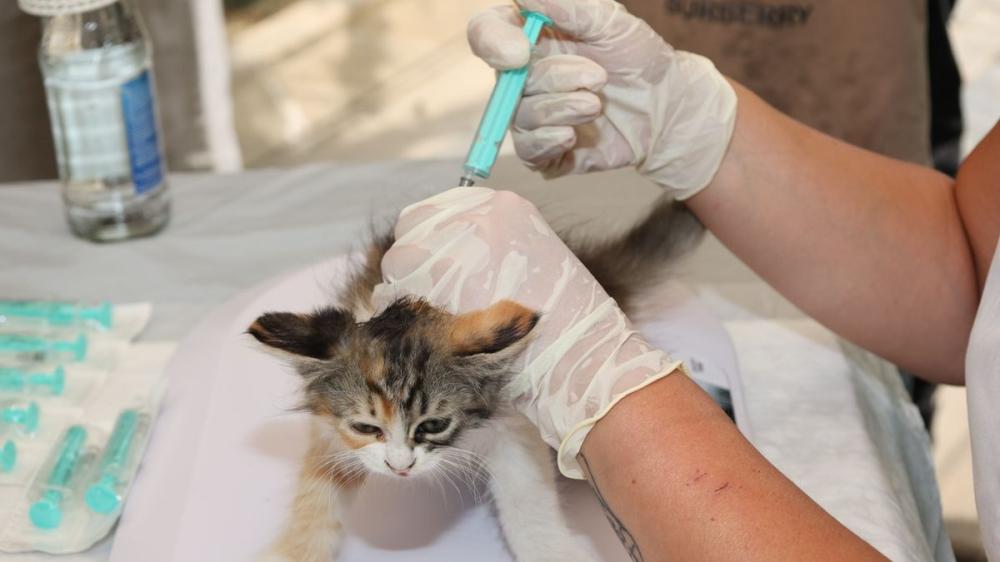
Vaccination is the most important thing you can do to protect your cat from serious, sometimes fatal diseases. It usually starts between 6 and 8 weeks of age, followed by booster doses on a schedule set by your vet. Prevention goes beyond the needle, though. It also covers deworming, protection from fleas and ticks, and regular checkups that catch problems before they grow.
At Cute Cat, we've put together everything a cat owner needs in this guide: which vaccines your cat needs, when to give them, and how to keep up with prevention throughout their life, step by step.
The quick summary
- The core vaccines are the 4-in-1 vaccine and the rabies vaccine. Every cat needs both, even if they never leave the house.
- Kitten vaccinations start at 6 to 8 weeks and are repeated every 3 to 4 weeks until about 16 weeks of age, followed by boosters.
- Your cat needs regular deworming and protection from fleas and ticks. Never use a product made for dogs on a cat.
- An annual vet checkup and an up-to-date vaccination record are the foundation of care throughout your cat's life.
Why does your cat need vaccinating even if they never go outside?
Many cat owners assume an indoor cat living in an apartment is completely safe. In reality, some viruses can reach your cat without them ever stepping outside: on shoes and clothing, with a new cat joining the household, or during a visit to the clinic or a cat hotel.
Feline panleukopenia (commonly known as feline distemper), for example, is extremely hardy. It survives in the environment for a long time and can be carried on objects and hands.
Vaccination doesn't just protect your cat. It protects the other cats in your home, and it protects you and your family from serious diseases that can pass between animals and people, such as rabies.
What exactly does a vaccine do?
A vaccine introduces the immune system to a germ before your cat actually encounters it. If your cat is exposed to the disease later, their body recognises it and fights back quickly, so they either avoid infection altogether or go through it with much milder symptoms.
That's why vaccinating on time is far better than treating a disease once it appears. Some viral diseases in cats have no direct cure, and treatment is limited to supporting the body until it pulls through.
Core vaccines for cats: the 4-in-1, rabies and beyond
Vets divide cat vaccines into two types: core vaccines that every cat needs, and non-core vaccines given depending on your cat's lifestyle and circumstances.
The 4-in-1 vaccine for cats
The 4-in-1 vaccine is a single injection that protects against several diseases at once. Most available versions cover:
- Panleukopenia (feline distemper): a virus that attacks the intestines and immune system, and is very dangerous for kittens.
- Herpesvirus (feline viral rhinotracheitis): one of the most common causes of sneezing, runny nose and eye inflammation.
- Calicivirus: causes respiratory symptoms and ulcers in the mouth and on the tongue.
- Chlamydia: a bacterium that mainly causes conjunctivitis.
Some clinics use a "3-in-1" vaccine that covers only the first three diseases. Your vet will choose the right type based on your cat's age and environment.
The rabies vaccine
Rabies is a viral disease that affects the nervous system. It can be passed to humans through a bite or scratch, and once symptoms appear it is usually fatal. That's why the rabies vaccine is considered core for cats, and we've given it its own section below.
Non-core vaccines as needed
- Feline leukaemia (FeLV): recommended for kittens, and for cats that go outdoors or mix with cats of unknown health status. It's best to test your cat before vaccinating.
- Other vaccines your vet may advise in specific cases, such as cats living in large groups or staying in cat hotels often.
Your vet is the one who decides what your cat actually needs. Not every cat needs every vaccine, but no cat should go without the core vaccines.
Cat vaccination schedule from kitten to adult
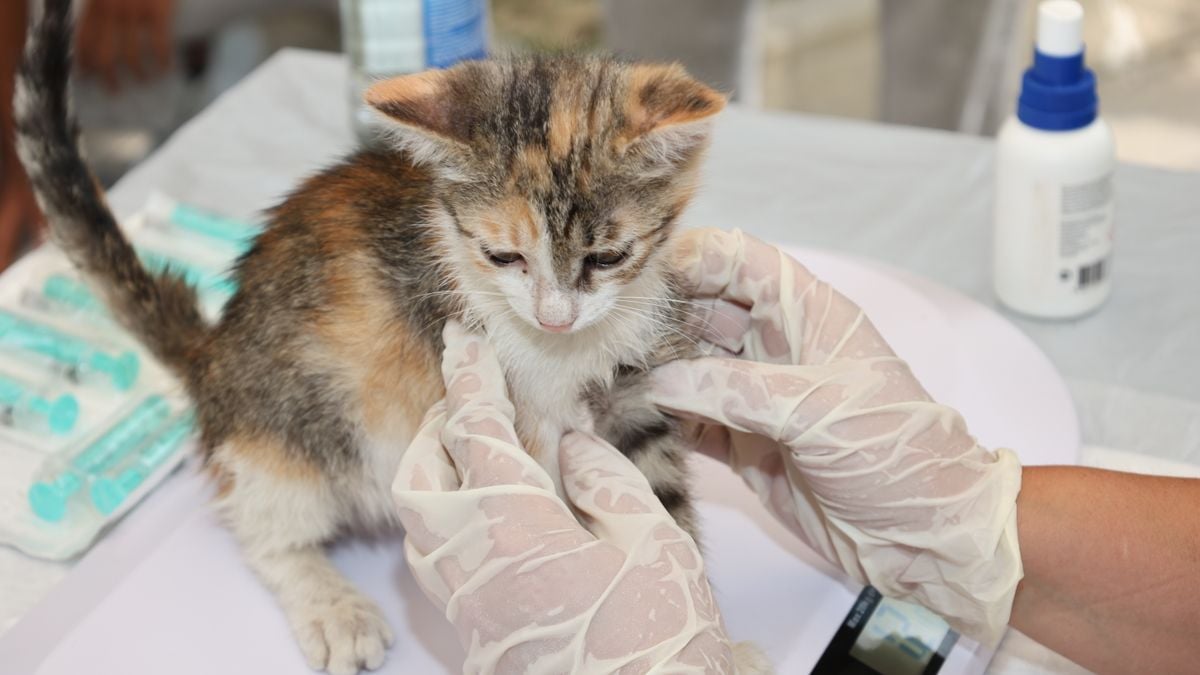
The schedule below is the general framework followed by most clinics. Your vet may adjust it based on your cat's health, the type of vaccine and their previous history.
Kittens
- 6 to 8 weeks: a general checkup, a deworming dose, then the first 4-in-1 vaccine.
- 3 to 4 weeks later: the second 4-in-1 dose.
- Around 12 weeks or later: another 4-in-1 dose, and usually the rabies vaccine.
- 16 weeks or older: a final 4-in-1 dose in the kitten series, because antibodies from the mother can reduce the effectiveness of earlier doses.
- Between 6 months and 1 year: a booster to consolidate immunity.
Why so many doses?
Kittens receive antibodies from their mother's milk that protect them in their first weeks. But those same antibodies can "block" a vaccine if it's given too early.
There's no way to know exactly when this protection fades in each kitten, so doses are repeated to make sure at least one of them lands at the right time.
Adult cats
- After completing the kitten series and the booster, reminder doses are given every year or every three years, depending on the type of vaccine and how much your cat is exposed to infection.
- The rabies vaccine usually follows a yearly schedule, though this can vary depending on the vaccine used and travel requirements.
Adopted an adult cat with an unknown history?
If your cat doesn't come with a vaccination record, your vet will usually treat them as unvaccinated. They'll receive two 4-in-1 doses 3 to 4 weeks apart and a rabies dose, then move onto the regular reminder schedule.
Before they mix with the other cats in your home, it's advisable to have them checked and keep them separate for a while until your vet confirms they're healthy.
Rabies vaccination for cats: what you need to know
The rabies vaccine is one of the first things cat owners ask about, and for good reason: it protects your cat, it protects people, and it's often required for travel.
When does a cat get the rabies vaccine?
- The first dose is usually given from 12 weeks (3 months) of age onwards.
- A booster is given one year after the first dose.
- After that, it's repeated depending on the type of vaccine and your vet's advice, with a yearly schedule being the most common.
Does an indoor cat need it?
Yes. Your cat might slip out through the door or onto the balcony, another animal might get into your home, or you might need to travel unexpectedly. Rabies is not a risk worth taking, because treatment after symptoms appear is practically impossible.
Rabies vaccination and travel
If you're planning to travel with your cat within the Kingdom or abroad, you'll usually be asked for a health certificate and proof of a valid rabies vaccination, and sometimes a microchip. Each country has its own requirements.
Start preparing early, as some countries require a set period between vaccination and travel, or ask for an antibody test.
If a cat bites or scratches you
Wash the bite or scratch thoroughly with soap and water for several minutes, then see a doctor or go to the nearest health centre without delay, especially if the cat is unknown or unvaccinated. The doctor will decide whether you need a vaccine or preventive treatment.
Deworming for cats: when and how often?

Intestinal worms are among the most common problems in cats, especially kittens. Cats can pick them up from their mother, from fleas, from hunting or from their surroundings.
Some types of worms can pass to humans, particularly children. So deworming your cat regularly protects your whole household.
General deworming schedule
- Kittens: start at around two to three weeks of age, repeat every two weeks until 8 weeks, then monthly until 6 months.
- Adult cats: usually every 3 months. Cats that go outdoors or hunt may need it more often.
- Before vaccination: it's best to deworm a suitable period before vaccinating, as set by your vet, so the immune response is stronger.
- Pregnant or nursing cats: should not be given any medication except under veterinary supervision.
Types of deworming treatments
Dewormers come as tablets, liquid suspensions, or spot-on drops applied to the skin at the back of the neck. Some combine treatment for internal worms and fleas in a single product.
Most importantly, choose a product made specifically for cats and suitable for your cat's weight and age. The dose should be set by a vet or veterinary pharmacist based on weight, so never guess by splitting a tablet meant for a larger animal.
Signs that may point to worms
- A swollen belly, especially in kittens.
- Repeated diarrhoea or vomiting.
- Weight loss despite eating well.
- Something resembling grains of rice around the anus or in the stool.
- A dull coat and poor growth.
If you notice these signs, see your vet. Worms may be the cause, or it may be something else that needs a proper diagnosis.
Fleas and ticks: regular prevention instead of late treatment

Fleas don't just make your cat itchy. They can pass on tapeworm, cause skin allergies, and lead to anaemia in kittens if the infestation is severe.
Ticks are less common in indoor cats, but they do show up in cats that go out into gardens and onto rooftops or mix with other animals.
How to protect your cat
- Use a preventive product made for cats on a regular basis. Many spot-on treatments are applied once a month, and some protect against both fleas and worms.
- Treat all the animals in your home at the same time, or the fleas will just move from one to another.
- Clean your cat's bedding and sleeping spots, and vacuum carpets and sofas regularly, as most flea eggs and larvae live in the environment rather than on the cat.
- Check your cat's fur with a flea comb from time to time, especially around the neck and the base of the tail.
Important warning: never use dog products on cats
Some flea products made for dogs contain substances such as permethrin, which is highly toxic to cats and can cause tremors and dangerous seizures.
Always read the label, and only use products on your cat that are clearly marked as being for cats. If your cat develops tremors, drooling or seizures after using any product, wash the area with soap and water and go to the vet immediately.
Signs your cat has fleas
- Frequent scratching or biting at the fur, especially on the back and tail.
- Small black specks in the fur (flea dirt) that turn reddish-brown when placed on a damp tissue.
- Hair loss in certain areas or scabs on the skin.
Regular checkups and the vaccination record
Regular checkups are the step many owners skip because their cat "seems fine". But cats are experts at hiding pain and illness, and symptoms may not show until a problem is well advanced.
How often does a cat need a checkup?
- Kittens: several visits in the first year, usually timed with vaccination appointments.
- Adult cats: a full checkup once a year at least.
- Senior cats (from around 10 years onwards): checkups every 6 months are recommended, and your vet may ask for regular blood and urine tests.
What does a routine checkup include?
- Weighing your cat and tracking any changes.
- Checking the teeth and gums, one of the most neglected problem areas in cats.
- Examining the eyes, ears, skin and coat.
- Listening to the heart and lungs and feeling the abdomen.
- Reviewing the vaccination, deworming and flea prevention schedule.
Your cat's vaccination record
The vaccination record is your cat's health history. Keep it in a fixed place and bring it to every clinic visit.
It usually includes:
- Your cat's details: name, age, sex, breed and microchip number, if any.
- The type and date of each vaccine, with the vaccine sticker and the vet's stamp.
- The date of the next dose.
- Deworming and flea prevention dates.
- Any previous surgeries, illnesses or drug allergies.
This record is often required for travel and when booking a cat hotel or grooming service. It also saves the vet a lot of time if you change clinics. A practical tip: photograph the pages and keep them on your phone, and set a reminder for the next dose.
What to expect after vaccination, and warning signs
Most cats go through vaccination without any notable problems. Some may show mild, temporary symptoms, which are a normal part of the immune response.
Normal symptoms that pass on their own
- Lethargy and sleeping more than usual for a day or two.
- A reduced appetite for a short time.
- A slight rise in temperature.
- Mild soreness or a small swelling at the injection site.
Signs that mean you should contact your vet immediately
- Swelling of the face or around the eyes.
- Difficulty breathing.
- Repeated vomiting or diarrhoea.
- Collapse or severe weakness.
- Sudden intense itching or a skin rash.
These signs may indicate an allergic reaction, which usually appears within minutes to hours of the injection. That's why it's best to keep an eye on your cat during the first day.
A lump at the injection site
A small swelling at the injection site is common and disappears within a few weeks. But see your vet if the lump lasts more than 3 months, grows, or becomes larger than roughly a large pea.
Tips for vaccination day
- Make sure your cat is in good health. Don't vaccinate a cat that is unwell, sneezing heavily or has diarrhoea, unless your vet advises otherwise.
- Use a comfortable carrier, and put a piece of cloth inside that smells of home.
- Tell your vet about any previous reaction to a vaccine or any medication your cat is taking.
- Once home, let your cat rest somewhere quiet, and offer food and water without forcing them.
- A kitten isn't fully protected until one to two weeks after the last dose in the series, so hold off on letting them out or mixing with unknown cats until then.
A practical year-round prevention plan
To make sure no appointment slips through the cracks, give your cat a simple, consistent plan. Here's what we suggest to cat owners who visit us at Cute Cat:
- Every month: flea prevention according to the product, plus a quick check of the coat and ears.
- Every 3 months: deworming for adult cats.
- Every year: a full checkup, a review of any vaccines due, and an updated record.
- Whenever something changes: a new cat at home, travel, a cat hotel stay or unusual symptoms — see your vet beforehand or straight away.
Note: This content is for general awareness only and is not a substitute for an examination by a vet. Vaccination schedules and deworming and flea treatments vary depending on your cat's age, weight and health, so consult your vet before making any treatment decision.
Related Articles
Frequently asked questions
What's the difference between the 4-in-1 vaccine and the rabies vaccine for cats?
The 4-in-1 vaccine protects against common viral and bacterial diseases in cats, such as panleukopenia, herpesvirus, calicivirus and chlamydia. The rabies vaccine protects against rabies alone, a disease that can be passed to humans. Your cat needs both.
Can a cat be vaccinated while sick?
This isn't usually recommended. A vaccine needs a healthy immune system to provide good protection, so your vet will examine your cat before the injection and may postpone it until they recover.
I missed the booster date. Do I need to restart the series?
Not always. A short delay usually doesn't mean starting over, but a long delay may lead your vet to give two doses instead of one. Bring the vaccination record so your vet can decide accurately.
Can deworming and vaccination be given on the same day?
It's best to deworm a period before vaccination, as set by your vet, so your cat's immunity is at its strongest. In some cases, your vet may arrange both in a single visit depending on your cat's condition.
My cat never goes outside. Do they still need flea prevention?
Yes, although the risk is lower. Fleas can come in on clothing or with another animal. Talk to your vet about how often prevention is right for your home, as it may differ from a cat that goes outdoors.
When is a kitten fully protected after vaccination?
Good protection is usually in place one to two weeks after the last dose in the kitten series, which means from around 4 months of age onwards. Until then, keep your kitten away from cats of unknown health status.
Prevention is a long journey with your cat, and it starts with one simple step: an appointment on time. The Cute Cat team would be happy to be with you every step of the way, from the first vaccine to the annual checkup. Book your cat's appointment at the vet clinic in our branch, or request the mobile vet clinic if going out stresses your cat. You'll find cat-specific dewormers and flea treatments at our veterinary pharmacy.