
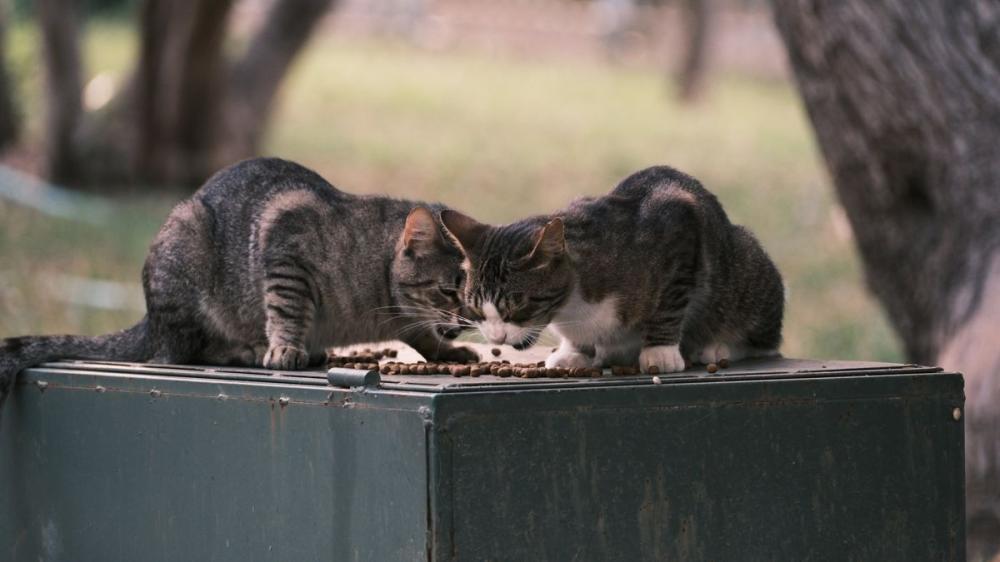
Choosing the right cat food starts with three things: your cat's age, their health, and the kind of food they will actually eat. Cats are natural carnivores, so they need food rich in animal protein and balanced in everything else, whether it is wet or dry.
In this guide we bring together everything you need in one place: feeding by age, wet and dry food, portions, choosing a brand, neutered cats and special diets, and foods to avoid. At Cute Cat we hear these questions from cat owners every day, so we have organized the answers in a simple, practical way.
Quick summary
- Cats need animal protein and a complete, balanced food that is labeled as suitable for their life stage.
- Kittens eat kitten food until about one year old, then move gradually to adult food.
- Combining wet and dry food is a practical option for many cats, and enough water is just as important as the food.
- Some human foods are a real danger to cats, and any chronic health problem should be discussed with your vet before changing their food.
What does a cat need in their food?
Cats are obligate carnivores, meaning their bodies are designed to rely on animal protein. A plant-based diet, food made for dogs, or our table scraps will not meet their needs.
Good cat food usually provides these elements:
- Animal protein of good quality, which is the foundation for building muscle.
- Suitable fats that provide energy and support the skin and coat.
- Amino acids, vitamins and minerals in carefully controlled amounts, including taurine, which cats cannot do without.
- Enough moisture, because cats naturally do not drink much.
You do not need to calculate these yourself. It is enough to choose a commercial food labeled "complete and balanced" for your cat's life stage.
Homemade food has a delicate formula, and it is easy for an important nutrient to be missing without you noticing. If you want to go that route, consult your vet first and do not rely on recipes you find circulating online.
Cat food by age
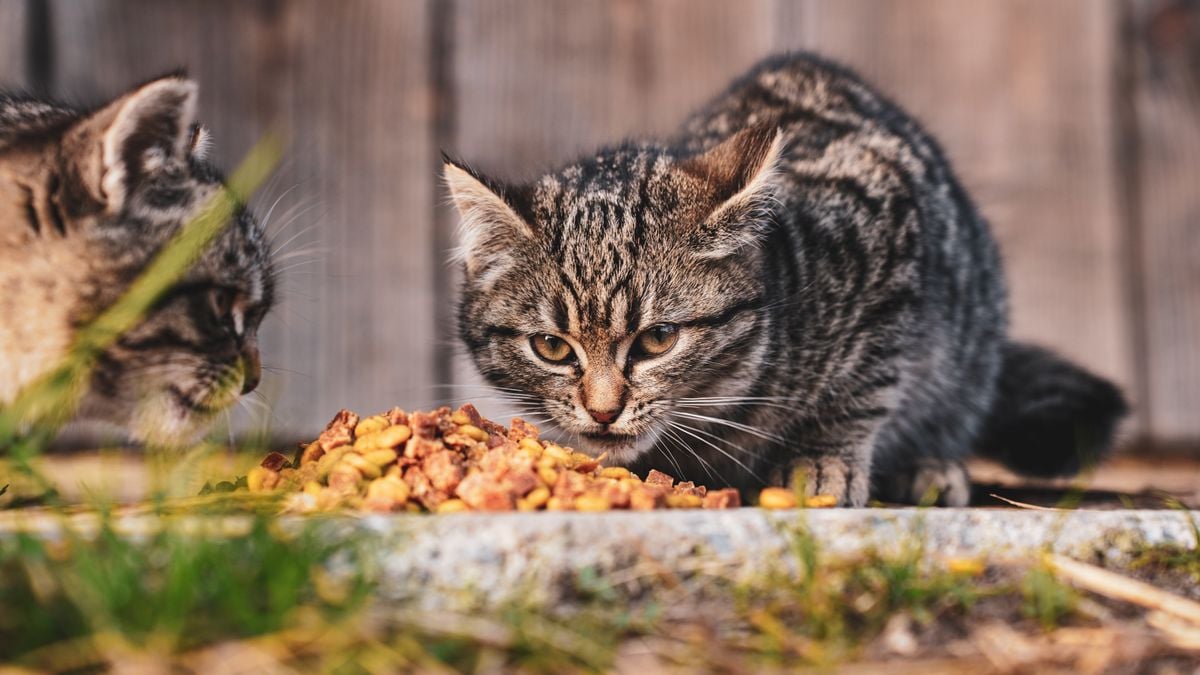
A cat's needs change as they grow. That is why foods are made for different life stages, and choosing the right stage matters more than choosing the brand itself.
Kittens (from weaning to about one year)
In their first weeks, kittens need nothing but their mother's milk. Gradual weaning begins at around four weeks by introducing soft wet food alongside the milk.
After weaning, a kitten needs food made for them, because they grow quickly and need more calories and protein than an adult. Look for the word kitten on the package.
- Divide their food into 3 to 4 meals a day.
- Make wet food part of their meals, as it is easier to chew and gentler on their mouth.
- Do not give them cow's milk, as many cats cannot digest lactose.
If you find a kitten without a mother, ask your vet about a milk replacer made for kittens and how to give it, and do not experiment on your own.
Adult cats (from one year to about seven years)
Once growth is complete, your cat moves to adult food. Your goal here is to maintain a steady weight, not to increase it.
Two meals a day, morning and evening, are usually enough. Some cats prefer food available throughout the day, and this only suits cats that do not overeat.
Senior cats
With age, activity drops and appetite and teeth may change. Many foods carry the label senior for cats from around seven years and older.
Watch for these signs, as they call for a vet visit rather than just a change of food:
- Noticeable weight loss or rapid weight gain.
- Clearly drinking more water than usual.
- Hesitation when chewing or a strong smell from the mouth.
Pregnant and nursing cats
A pregnant cat, and then a nursing one, needs more energy and protein than usual. Many owners choose kitten food for them because it is richer in calories.
This varies from one cat to another, so ask your vet about the amount and how long to continue. If you are searching for the best food for cats after giving birth, the general rule is high-quality food, a larger amount, and water that is always available.
Wet or dry food?
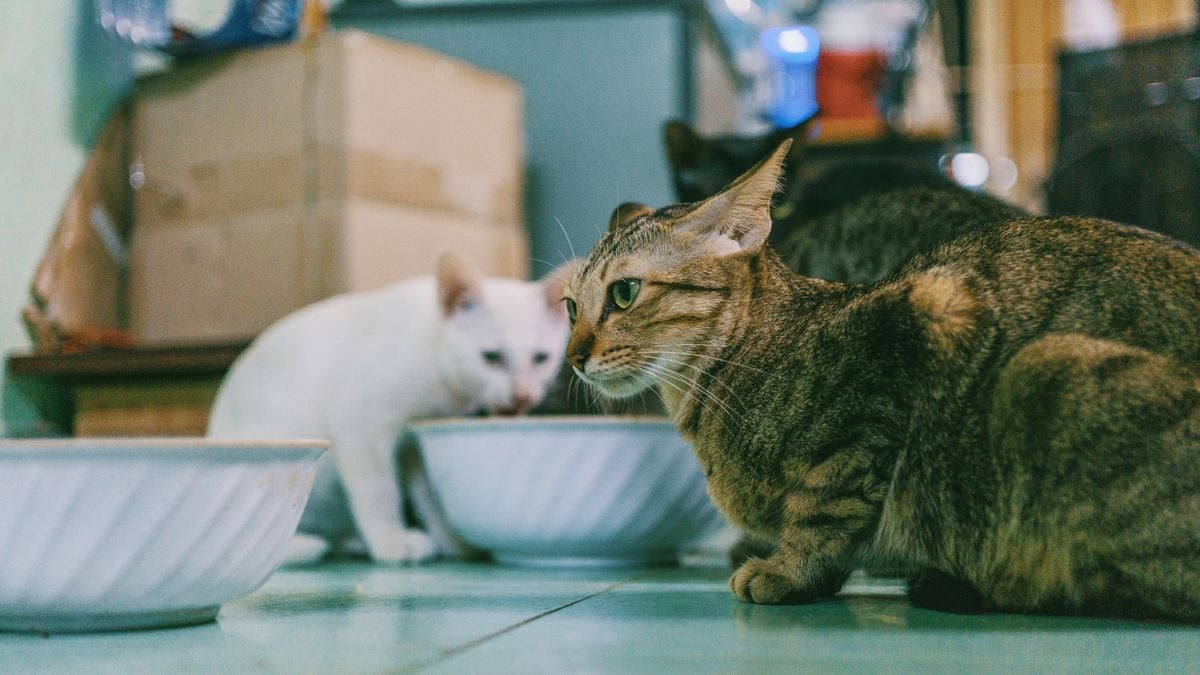
There is no single answer that suits every cat. Each type has its advantages, and many owners combine the two.
Dry food (kibble)
- Easy to store and serve, and it does not spoil quickly after opening if stored well.
- Suitable for food left out for grazing, and cheaper to store and use day to day.
- Low in moisture, so you need to pay attention to how much water your cat drinks.
Wet food (cans and pouches)
- Mostly water, so it helps your cat increase their fluid intake.
- More appealing to picky cats and those with a small appetite.
- Spoils faster after opening, so do not leave it out of the fridge for more than an hour or two in Jeddah's heat.
Combining them is a practical solution: a wet meal in the morning, and a measured amount of dry food for the rest. If you do this, calculate the total amount, and do not add wet food on top of a full portion of dry.
One point comes up often with male cat owners: high moisture in food generally supports urinary tract health. If your cat has had a urinary problem before, the decision belongs to your vet.
How much should your cat eat? Portions and meals
The amount depends on weight, age, activity and the type of food. Every brand prints a daily feeding chart by weight on the back of the package, so start there.
Then watch your cat's body instead of following the chart blindly. A simple rule:
- You can easily feel their ribs under a thin layer of fat.
- You can see a slight waist when you look from above.
- If you cannot feel the ribs at all, they probably need a smaller portion, and if the ribs stand out clearly, ask your vet.
As for treats and snacks, keep them small, at around one tenth of what your cat eats daily, so they do not upset the balance of their main food.
To avoid obesity, feed at set times and measure the portion with a dedicated cup instead of estimating by eye.
Some owners like to serve food through feeding toys or slow-feeder bowls. This works well for a cat that gulps their food down, and it keeps their mind active too.
How do you choose a cat food brand?
The cat food market is full of options, from well-known international brands such as Hill's and Pro Plan to other brands commonly sold locally. It is better to judge the package itself, not just the name.
Read the label with these steps:
- Look for the phrase "complete and balanced" and the right life stage (kitten / adult / senior).
- Check the first ingredients: ideally the animal protein source is clearly named at the top.
- Check the production and expiry dates and that the package is intact.
- Make sure the food suits your cat's condition: neutered, sensitive, senior, or with a special need.
Do not judge a food by the color or shape of the kibble. What matters is whether your cat eats it with appetite, and whether their stool stays regular, their coat shiny and their weight stable.
When trying a new brand, do not switch all at once. Follow this gradual schedule:
- Days 1-3: one quarter new food with three quarters old.
- Days 4-6: half and half.
- Days 7-10: three quarters new, then the new food completely.
If diarrhea or vomiting appears, or your cat refuses to eat altogether, go back to the old food and see your vet if it continues.
At Cute Cat, we make sure our cat supplies section carries food in different types and life stages, so you can find the option closest to your cat's needs without hassle.
Neutered cats and special diets
After neutering, a cat's metabolism changes and their calorie needs drop, so it is easy for them to gain weight if the amount stays the same. That is why foods made for neutered cats exist, and you will find them labeled sterilized or neutered.
Important tips after neutering:
- Move to a food suited to neutered cats when your vet recommends it or when their weight starts to rise.
- Reduce the amount gradually, with monthly weight checks.
- Increase daily activity and play.
There are also therapeutic or prescription foods made for conditions such as urinary tract problems, kidney disease, or metabolic and weight disorders. They are made by well-known brands and are usually used under the direction of a vet.
This point matters: do not start a therapeutic food on your own as a precaution. The wrong type can harm a healthy cat, and only a diagnosis can determine the need.
If you notice symptoms in your cat such as frequent urination, straining to urinate, or drinking a lot of water, do not wait. See our guide on cat diseases, treatment, symptoms and when to visit the vet.
Foods cats must not eat
A common mistake is giving a cat food from our own plates out of love. Some foods we see as ordinary can be very harmful to them.
Avoid giving them these foods completely:
- Onions and garlic in all forms, raw, cooked or dried.
- Chocolate, cocoa and coffee and anything containing caffeine.
- Grapes and raisins.
- Foods sweetened with xylitol, a sweetener found in some gums and sweets.
- Alcohol and raw dough.
- Cooked bones, which can splinter and injure the mouth or digestive tract.
Other foods are not toxic but are unsuitable as a main diet:
- Canned tuna made for humans if given repeatedly, as it is not balanced for a cat's needs.
- Cow's milk, which may cause diarrhea in many cats.
- Raw meat, fish or eggs, because of possible bacteria and parasites.
- Dog food, whose formula does not cover a cat's needs, especially taurine.
- Salty, spiced or fried foods.
If your cat has eaten anything from the first list, contact your vet immediately and do not wait for symptoms to appear. Keep the package of what they ate, or a photo of it, to tell the vet the amount.
Remember too that some houseplants are toxic, so ask before putting any plant within your cat's reach.
Water and daily feeding habits
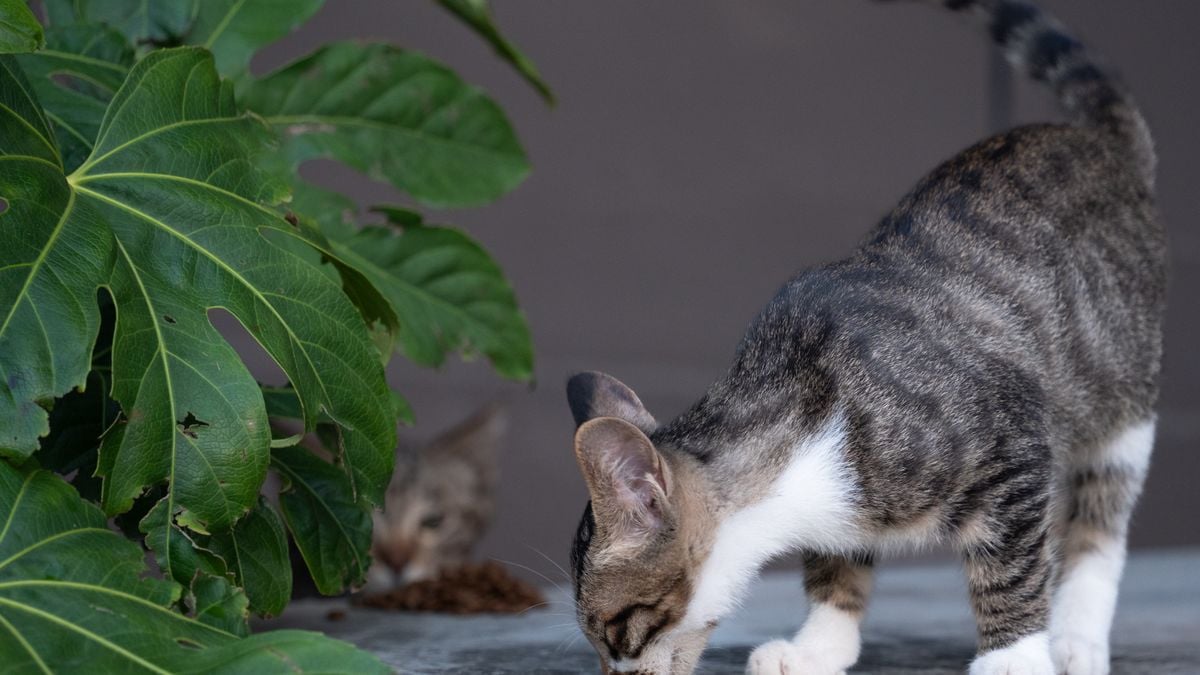
Cats generally do not drink as much as they need, which is why water plays a big role in urinary tract and kidney health. Keep clean water available at all times and change it daily.
These ideas encourage your cat to drink more:
- Use wide, shallow bowls, as some cats are uncomfortable when their whiskers touch the rim.
- Place more than one bowl around the house, away from the food bowl and the litter box.
- Try a water fountain, as many cats are drawn to moving water.
- Add wet food to their meals.
Because the heat in Jeddah is high most of the year, keep an eye on their water in summer especially, and watch for signs of dehydration: lethargy, dry gums, or skin that does not spring back quickly when gently lifted.
These small habits improve the feeding experience:
- Choose stainless steel or ceramic bowls, which are easier to clean than plastic.
- Wash the bowl daily, as leftover food spoils and puts your cat off.
- Put the food in a quiet place away from noise.
- Store dry food in an airtight container away from heat and humidity.
If your cat refuses food for more than a day, do not write it off as fussiness. Cats cannot tolerate long fasts, and this is a sign that deserves an early vet visit.
Everything you need in bowls, fountains and storage containers is in the cat supplies section at the Cute Cat store, along with food suited to every life stage.
Related Articles
- Cat Medications: Your Complete Guide to Veterinary Pharmacy and Safe Use
- Cat Surgery and Tests: The Complete Guide Before and After the Procedure
- Cat Diseases and Treatment: The Complete Guide to Symptoms and When to See a Vet
- Cat Vaccinations and Prevention: The Complete Guide from Kitten to Senior
Frequently asked questions
What is the best food for kittens?
The best choice is food made for kittens and labeled "complete and balanced". Serve it in 3 to 4 meals a day, and add a wet portion to make chewing easier.
Can I feed my cat wet food only?
Yes, if the food is complete and balanced for their age. But you need to watch how quickly it spoils after opening and store leftovers in the fridge. Some people combine wet and dry to vary the texture and reduce the cost.
When do I switch from kitten food to adult food?
At around one year old. Switch gradually over 7 to 10 days, and if your cat is a large breed, ask your vet about the right timing.
Should I change my cat's food after neutering?
Not always right away, but their calorie needs drop, so it is easy for them to gain weight. Monitor their weight, and ask your vet about food for neutered cats and the right amount.
How many times a day does an adult cat eat?
Usually two meals a day, with water always available. Some cats do better with smaller, more frequent meals. What matters is keeping the total daily amount consistent.
Why does my cat refuse the new food?
Cats are sensitive to changes in smell and texture. Switch gradually as we explained, and serve the food at room temperature. If they refuse food completely for more than a day, see your vet.
Feeding your cat is a long-term investment in their health and happiness, and it does not need to be complicated: food suited to their age, a measured amount, plenty of water, and staying away from forbidden foods. If you want to choose the right food and supplies for your cat, browse our cat supplies section, and we will be happy to help.