
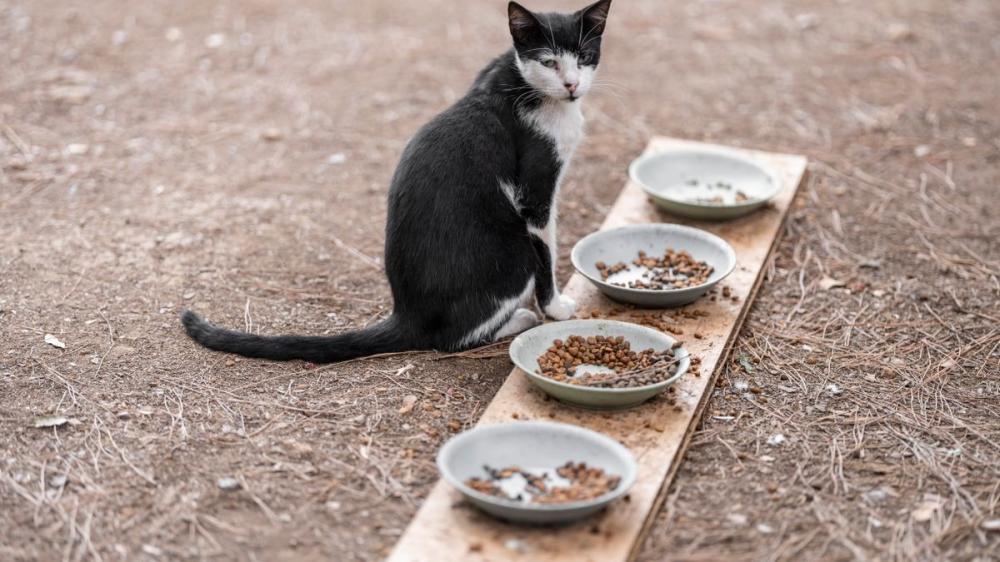
Prescription cat food is therapeutic food that a veterinarian recommends for a specific health condition, such as kidney disease, urinary problems, liver disease, digestive issues or obesity. It is not a "better" food for healthy cats. It is a medical tool, used on a vet's decision and for a period the vet determines.
In this guide we explain when your cat may need a therapeutic diet, how kidney, urinary, liver, digestive and weight diets differ, and how to compare well-known brands such as Hill's, Royal Canin and Purina. At Cute Cat we hear questions about this topic from cat owners every day, so we have gathered the most important answers here in plain language.
Quick summary
- Prescription food is given on your veterinarian's recommendation after an exam and tests, not by trial and error.
- Each condition has a different diet: a kidney diet is not suitable for urinary problems, and a weight-loss diet is not suitable for liver disease.
- The most important rule: a cat should not go without eating for more than a day or two, because prolonged fasting is dangerous for cats.
- Switch to the new food gradually over 7 to 10 days, unless your vet advises otherwise.
What Is Prescription Cat Food and When Is It Recommended?
Prescription food, or a "therapeutic diet," is food with a carefully controlled nutritional formula designed to support the treatment of a particular disease. It may reduce certain nutrients such as phosphorus or magnesium, increase others, or change the protein source and fiber.
These diets differ from regular food because their formulas are built around a medical condition. For that reason they are not suitable for a completely healthy cat, and they can even harm one if given without need. For example, growing kittens need more protein and energy than some kidney diets allow.
A vet most often recommends prescription food in these situations:
- Chronic kidney disease, which is common in older cats.
- Urinary stones and cystitis, as well as frequent or painful urination.
- Liver disease, depending on its type and severity.
- Digestive disorders such as chronic diarrhea, frequent vomiting and food sensitivities.
- Obesity and overweight, as well as metabolic problems.
- Recovery periods after illness or surgery.
The first step is always a diagnosis. Similar symptoms, such as increased thirst or weight loss, can have completely different causes, and each cause needs different treatment and different food. So do not start a therapeutic diet on your own because of an advertisement or another cat's experience.
Kidney Diets for Cats
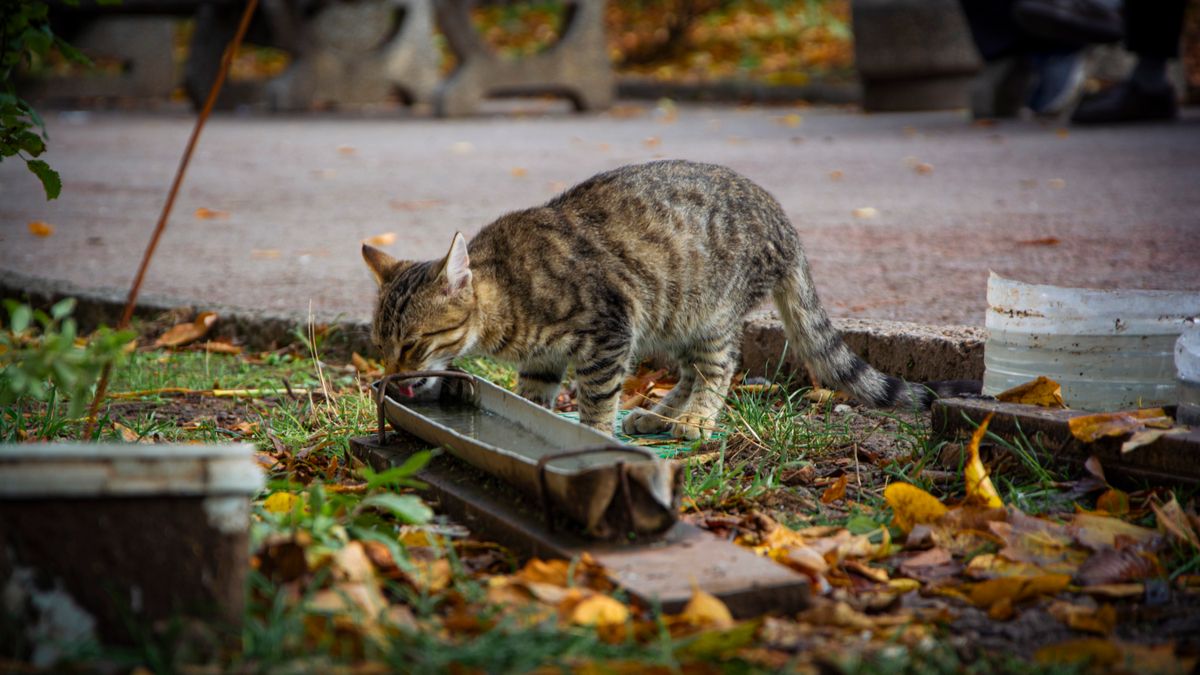
Chronic kidney disease is one of the most common illnesses in cats as they age. The kidneys filter waste from the blood, and when they weaken, substances such as phosphorus and nitrogen waste build up, gradually making your cat feel unwell.
Signs that call for a vet visit include increased drinking and urination, weight loss, poor appetite, vomiting, and a dull, deteriorating coat. These signs do not prove the disease on their own. Tests are what confirm it.
What a kidney diet mainly does:
- Reduces phosphorus, because high levels speed up kidney decline.
- Controls the amount and type of protein according to the stage of the disease. The goal is high-quality protein in a suitable amount.
- Adds supportive nutrients such as omega-3 fatty acids and antioxidants, depending on each brand's formula.
- Supports hydration, which is why these diets usually come in two forms: dry and wet.
Appetite is what worries cat owners most here. A cat with kidney disease may refuse the new diet, and your vet will guide you: they may change the flavor or texture, recommend wet food, or add medication to improve appetite and ease nausea. A cat that eats something close to the diet is better off than a cat that eats nothing.
Well-known options in this area include Hill's k/d (Kidney Care), Royal Canin Renal and Purina Pro Plan Veterinary Diets NF. All are built around reducing phosphorus, but the best one is the one your cat accepts and that suits their condition.
Be careful with supplements that some cat owners share for kidney support. Do not give them to your cat before consulting your vet. Some are not suitable for every stage, and they never replace the diet and follow-up blood tests.
Urinary Diets: Stones and Cystitis

Urinary problems are common in cats, especially when they drink too little water. They include crystals, stones, cystitis not caused by infection, and sometimes bacterial infection.
Symptoms you should not ignore:
- Going to the litter box again and again but passing only a little urine.
- Urinating outside the litter box or in unusual places.
- Showing pain or crying out while urinating.
- Blood in the urine, or repeated licking of the area.
Emergency warning: if a male cat is trying to urinate and nothing comes out, or he seems to be in pain and hiding away, this may be a urinary blockage. A blockage is an emergency that needs a vet the same day. Do not wait to see whether a diet helps.
Urinary diets, such as Hill's c/d, Royal Canin Urinary S/O and Purina UR, work in several ways depending on the type of problem:
- Controlling the minerals that form stones and adjusting urine acidity.
- Encouraging more urine and diluting it, which is why wet food is preferred with these diets.
- Some types help dissolve certain kinds of stones, and your vet will decide whether your cat's case is suitable for that.
- Some formulas contain ingredients that calm stress, because stress is one of the causes of cystitis in cats.
Prevention is not only about food. Encourage your cat to drink by offering clean water in more than one place or a water fountain, keep the litter box clean, and reduce sources of stress at home. Remember that the type of stone determines the diet, so a "urinary" diet should not be used for every kind of stone.
Liver Diets for Cats
The liver is essential for digestion and for clearing toxins, and liver disease in cats calls for special care. One of the most serious liver conditions in cats is fatty liver disease, which usually happens when a cat, especially an overweight one, stops eating for several days.
Warning signs include loss of appetite, lethargy, vomiting, rapid weight loss, and yellowing of the gums, ears or whites of the eyes. If yellowing appears, your cat needs a vet immediately.
The goal of the diet depends on the diagnosis, but it is mainly built around:
- Enough easily digestible energy, since a cat with liver disease needs adequate calories.
- Suitable, high-quality protein. It is not always reduced, because cats depend on protein more than dogs do.
- Nutrients that support the liver, such as antioxidants and certain vitamins, depending on the formula.
Among the best-known options are Hill's l/d (Liver Care) and Royal Canin Hepatic. These diets are not used for every liver problem, since some cases need a different adjustment, so your vet's decision after tests and imaging is the reference.
The most important prevention tip: do not leave your cat without food for more than about 24 hours, and do not put your cat on a strict weight-loss diet by yourself. If your cat refuses to eat, call your vet rather than waiting for hunger to kick in.
Digestive, Gut and Recovery Diets
Chronic diarrhea, frequent vomiting, gas and food sensitivities are all common reasons for a clinic visit. The cause may be a sudden change of food, parasites, intestinal inflammation or sensitivity to a particular ingredient. This is where the vet begins with an exam and then decides on the diet.
Digestive diets, such as Hill's i/d, Hill's Digestive Care with Biome technology, Royal Canin Gastrointestinal and Purina EN, are built around:
- Highly digestible ingredients that reduce the load on the gut.
- Selected fibers and prebiotics that support beneficial gut bacteria.
- A suitable fat level, since some cases need less fat and some do not.
For food sensitivities, the vet may recommend a hydrolyzed-protein diet or a novel protein source, and ask you to follow it for several weeks without any treats or extra foods. Otherwise the result will not be clear.
There is also "recovery" or critical care food, such as Hill's Urgent Care and Royal Canin Recovery. This type is high in energy and nutrients with a smooth texture, and it is used for weak cats, cats recovering from illness or surgery, or cats that are not eating enough. It is a temporary treatment, not a permanent everyday food, and your vet will decide how long and how to give it.
Call your vet if diarrhea lasts more than two days, if there is blood in the stool or vomit, or if you see dehydration or severe lethargy, especially in kittens and senior cats.
Obesity and Metabolic Diets

Obesity is one of the most common nutrition problems in indoor cats, and it is not just about appearance. It raises the risk of diabetes, joint problems and liver disease, and it makes movement harder. Many cat owners do not notice it because the extra weight appears gradually.
A simple way to assess it: look and feel. You should be able to feel your cat's ribs easily under a thin layer of fat, and see a "waist" when looking from above. If you cannot, take your cat to the vet to work out an ideal weight.
Well-known diets here include Hill's Metabolic, Royal Canin Satiety and Purina OM. The general idea behind them:
- Fewer calories per serving, with a feeling of fullness thanks to fiber and protein.
- Support for keeping muscle while losing weight.
- Some formulas are designed to improve metabolism and help prevent weight regain.
What matters most is the method: weight loss must be gradual and supervised by your vet, because rapid reduction or harsh restriction can put a cat at risk of fat building up in the liver. Your vet sets the daily amount based on the ideal weight, and the meal should be weighed accurately instead of measured by the cup.
Do not forget that food is not the only factor: hunting toys, daily movement and play with your cat are part of the treatment, as is cutting back on treats, which count toward the day's calories.
Differences Between Brands: How Do You Choose?
The three best-known brands of prescription cat food are Hill's Prescription Diet, Royal Canin Veterinary and Purina Pro Plan Veterinary Diets. All offer diets for roughly the same conditions, but each brand has different names, formulas, textures and flavors.
There is no single "best" brand. The choice rests on:
- Diagnosis: the diet must match the condition. A similar-sounding name is not enough.
- Your cat's acceptance: the best diet is the one your cat eats regularly.
- Type: dry or wet. Wet food often benefits kidney and urinary cases.
- Whether you can keep it up: some diets are given for life, so it is important that you can stick with it.
Common mistakes to avoid:
- Mixing two diets for two different conditions at the same time.
- Switching your cat from one diet to another between brands without asking your vet.
- Randomly adding to the food, such as human food or supplements.
- Relying on food that is marketed as "kidney support" or "urinary support" but is not a genuine therapeutic diet.
If you would like to see the prescription food and supportive products available, you can browse the Veterinary Pharmacy section at Cute Cat. Always make sure the diet matches your vet's recommendation before you buy.
How to Start a Therapeutic Diet and Follow Up
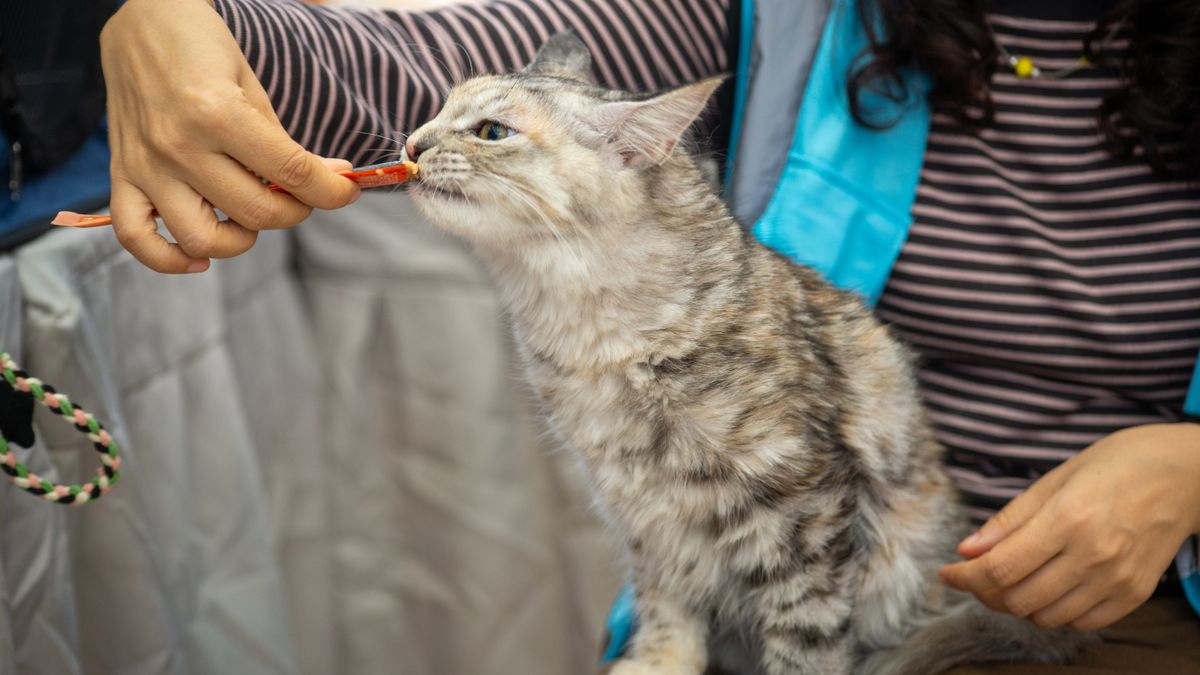
Once your vet prescribes a diet, the practical part begins. Cats are sensitive to change, so the method matters as much as the diet itself.
The usual steps for switching:
- Start by mixing a small amount of the new food with the old.
- Increase the share of the new food about every two days over 7 to 10 days.
- Watch appetite, stool, vomiting and your cat's activity.
- If your cat refuses to eat completely, contact your vet rather than insisting.
If your cat is very sick and needs the diet right away, your vet may ask for a faster switch or a different method, so follow their instructions.
These tips help the diet succeed:
- Serve food at room temperature or slightly warm, since the aroma stimulates appetite.
- Wash the dishes daily, because cats are put off by stale smells.
- If you have more than one cat, separate the sick cat at mealtimes so that cat does not eat from another cat's bowl.
- Agree with your family on "no treats" so the diet is not undermined.
- Record your cat's weight regularly to see whether the diet is working.
Follow-up is part of the treatment. Your vet may request regular kidney or liver tests or a urine test, and the diet is adjusted according to the results. If you prefer to have your cat examined without transporting them, a home visit is a useful option for cats that find travel and crowds stressful.
This content is for general awareness only and does not replace a veterinary exam and a diagnosis by a qualified vet. Do not start or stop any therapeutic diet without consulting your vet, and see them immediately if worrying symptoms appear.
Related Articles
- Grooming Your Cat at Home: The Complete Guide to Care and Hygiene
- Cat Food: The Complete Guide to Feeding Your Cat from Kitten to Senior
- Cat Litter Boxes: The Complete Guide to a Clean Home and No Odors
- Cat Medications: Your Complete Guide to Veterinary Pharmacy and Safe Use
Frequently Asked Questions
Can I give my cat prescription food on my own without seeing a vet?
No, because prescription food is based on a specific diagnosis. Giving it without an exam may delay discovering the real illness or harm a cat that does not need it, especially if the cat is young or pregnant.
Does a cat stay on a kidney diet for life?
With chronic kidney disease, the diet is usually continued long term, because the disease does not go away. Urinary, digestive and recovery diets may be temporary or permanent depending on the case, and your vet decides.
What should I do if my cat refuses prescription food?
Do not leave your cat without food, and do not force the diet. Try a gradual switch, wet food and gentle warming. If the refusal continues for more than a day, call your vet so they can change the flavor or type or offer other support.
Can I mix prescription food with regular food?
Mixing weakens the effect of the diet, since the formula is designed to be given complete. The exception is the transition period at the start, or if your vet recommends a particular feeding plan for your cat.
What is the difference between Hill's and Royal Canin in prescription food?
Both offer diets for the same conditions, but formulas, flavors and textures differ. No brand is best for everyone. The measure is how well the diet fits your cat's diagnosis and whether your cat accepts it.
Is wet food better than dry in therapeutic diets?
For kidney and urinary problems, wet food helps because it increases the water your cat takes in. But some cats accept dry food better, and the most important thing is that your cat eats regularly. Your vet can guide you to the best option.
If your cat has symptoms, or you need an assessment of their condition and the right diet, you can book an appointment at the Veterinary Clinic at Cute Cat, so you can start with a clear feeding plan that suits your cat.