
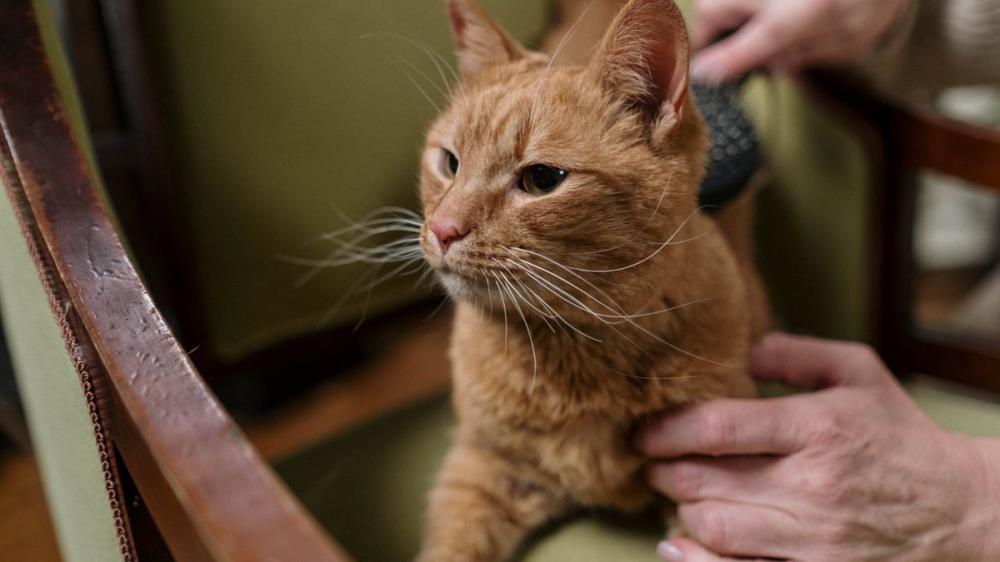
Grooming your cat at home is simple and doable for most cats if you start calmly and use the right tools. It mainly comes down to regular brushing, nail trimming, and cleaning the ears and eyes, while bathing should be rare and only when needed. Cats do a lot of self-care, and your role is to help where they cannot manage on their own.
In this guide we cover every part of cat care and hygiene: the coat, bathing, nails, shaving, ears and teeth, and then when it is better to leave things to a professional.
Quick summary
- Brushing is the foundation of cat care: once or twice a week for short hair, and almost daily for long hair.
- Most cats do not need frequent baths, and when they do, use a shampoo made specifically for cats.
- Nail trimming is usually done every 2 to 4 weeks, cutting only the clear tip.
- Anxiety, aggression, or changes in the skin or ears are signs to stop and get help.
Does Your Cat Need Grooming at Home?
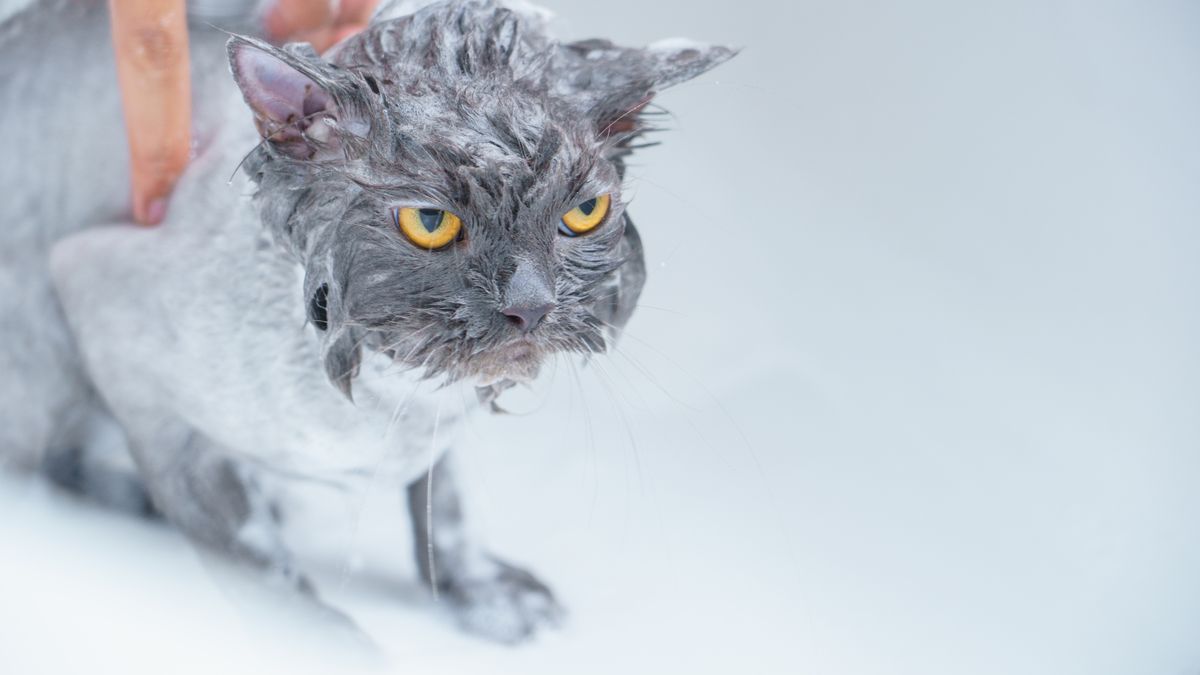
Cats are among the cleanest pets, spending a long time licking and cleaning their fur. That leads some people to think they need no care from us at all, but in reality a little help makes a big difference.
Grooming at home means a set of small, regular habits: brushing, nail trimming, gentle cleaning of the ears and eyes, and a quick check of the coat and skin. It is also a chance to notice any change early.
The need varies from one cat to another depending on:
- Coat type: Long hair tangles and needs more care than short hair.
- Age: Older cats may be less able to clean themselves.
- Lifestyle: A cat that goes out into the garden gets dirtier than one that lives inside an apartment.
- Weight and mobility: An overweight or less active cat may not be able to reach its back and the base of its tail.
Always start by making the experience comfortable. A cat that is afraid of grooming will resist it every time, while a cat that has gently grown used to it will accept it and may even enjoy it.
Preparing the Space and Tools Before You Start
Successful grooming starts before you touch your cat. Choose a time when she is calm, such as after a meal or after play, and avoid times when she is stressed or very energetic.
Keep all your tools within reach so you do not have to leave your cat in the middle of the process:
- A brush or comb suited to your cat's coat type.
- A nail clipper made for cats.
- Cotton or soft gauze for cleaning the ears and eyes.
- Clean, dry towels.
- Treats your cat loves.
- A cat-specific shampoo if you decide to bathe her.
Choose an enclosed, safe spot, such as a small bathroom or a quiet room, and put a non-slip surface underneath. Do not use human products on your cat, as her skin and fur are different.
Brushing the Coat: The Most Important Grooming Habit

Brushing is the simplest step and the most useful. It removes loose hair, reduces how much your cat swallows while licking, prevents tangles, and spreads the skin's natural oils so the coat becomes softer.
The usual frequency:
- Short hair: Once or twice a week.
- Long or thick hair: Daily or every other day.
- Shedding season: You may need to brush more often because more hair falls out.
How to Brush Properly
- Start with a short session of two or three minutes, then lengthen it gradually.
- Run the brush in the direction of hair growth with light strokes.
- Begin with the areas your cat usually likes, such as the back and shoulders.
- Move slowly to the belly, thighs, and tail, which are sensitive areas for many cats.
- Finish with a treat and calm praise.
If you find a small tangle, work it open with your fingers or a wide-toothed comb, from the ends toward the root. Do not pull the hair hard, and do not use scissors near the skin, because a cat's skin is thin and moves easily, so you could cut her without meaning to.
Large mats stuck to the skin need a professional's hands. Try not to deal with them yourself if your cat is in pain or resisting strongly.
Bathing: How Often and How?
Most healthy cats do not need regular baths, because they clean themselves. Bathing is only necessary in specific cases, such as fur contaminated with something sticky, a strong smell, or heavy dirt that does not come out with brushing and wiping.
If you are asking how often to groom a cat, the general rule is that bathing happens only when needed, not on a fixed schedule. Bathing too often can dry out the skin and strip its natural oils.
Can You Use Regular Shampoo?
Human shampoo and dish soap are not recommended. A cat's skin has a different balance, and some products cause dryness and itching. Always choose a shampoo made specifically for cats, and read its instructions.
Steps for a Calm Bath
- Trim your cat's nails a day or two before the bath, and brush her coat to remove tangles.
- Fill the tub with a little warm water, neither hot nor cold, about up to your cat's belly.
- Wet the body gradually with your hand or a small cup, avoiding the face and ears.
- Apply a small amount of shampoo and massage gently in the direction of the hair.
- Rinse thoroughly so no shampoo is left, since residue causes itching and your cat may swallow it while licking.
- Wrap her in a towel and dry her by gentle pressing, not rubbing.
If you use a hair dryer, keep it on the lowest heat and low noise, from a good distance, and only if your cat tolerates it. Keep her in a warm place until her fur is completely dry.
At the first sign of severe panic, such as screaming, violent scratching, or panting, stop. Do not force her, because a bad experience makes the next bath harder.
Nail Trimming: Size, Timing, and Method
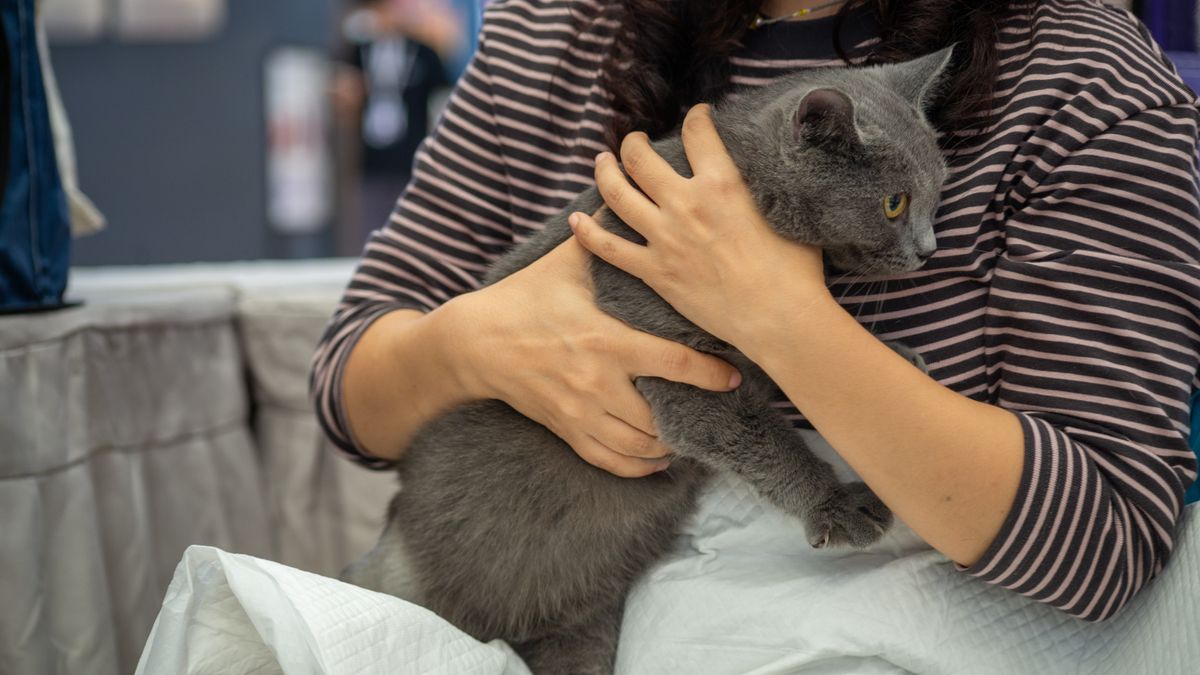
Trimming nails protects your furniture and your skin, and it protects your cat from having her claws snag in fabric or grow into the paw pad in older cats. Getting used to it from a young age makes it easy later.
How Often?
Usually every 2 to 4 weeks, depending on how fast the nails grow and how active your cat is. Older or less active cats need closer monitoring because their nails do not wear down with activity the way they do in younger cats.
What Age Should You Start?
You can start getting a kitten used to having her claws touched from an early age, around a few weeks after birth, by gently pressing her paw and rewarding her. Actual trimming should be done very carefully and quickly, with as little as possible at first.
Steps for Safe Trimming
- Sit with your cat in a quiet place and hold her paw gently.
- Press the paw pad lightly until the claw extends.
- Look for the pink part in the middle of the claw, which is the living part containing nerves and blood.
- Cut only the sharp, clear tip, staying a good distance away from the pink part.
- Reward her after every claw or two, and trim in stages if needed.
Use a clipper made for cats. Ordinary scissors are not suitable, because they can crush or split the claw instead of cutting it cleanly.
If you accidentally cut into the living part and the claw bleeds a little, press it with a clean cloth and stay calm. If the bleeding continues or the claw looks inflamed, consult a veterinarian.
As for declawing: this is not grooming but a painful procedure that affects a cat's behavior and balance. Regular trimming and providing a suitable scratching post are always better.
Shaving Cats: When Does It Help and When Does It Harm?
The question of shaving comes up often, especially in Saudi Arabia's hot summers. The answer is that a cat's fur is not just a covering; it helps her regulate her temperature and protects her skin from the sun. That is why a healthy cat should not be shaved without a reason.
Shaving may be useful in cases such as:
- Dense mats that cannot be opened by brushing.
- Very long hair that is constantly dirty.
- Cleaning a specific area under the tail or around the genitals.
The well-known "lion cut," which leaves hair on the head and tail and shaves the body, is a cosmetic choice that does not suit every cat, and some will not tolerate it. If you are considering a summer shave, consult a professional first, as regular brushing may be enough to thin out excess hair.
As for shaving cats in winter, the rule is that a cat should keep her warm coat unless there is a specific need, such as mats.
Should I Shave Her Myself at Home?
Shaving a cat at home is not the best option for someone who is not trained. Scissors and clippers are close to thin, mobile skin, and one sudden movement from your cat could cause a cut. If you have no choice, limit yourself to a light trim of a small area with round-tipped scissors, with another person gently holding your cat.
If you want a full shave or need to deal with large mats, it is best to have a cat grooming professional do it.
Caring for the Ears, Eyes, and Teeth
These small areas need a quick weekly look. The aim here is monitoring and gentle surface cleaning, not treatment.
Ears
A healthy ear is clean, evenly colored, and free of strong odor. You can wipe the visible part of the ear with a cotton pad dampened with a little solution made for cleaning cat ears.
Do not put cotton swabs or any tool into the ear canal, as they can push dirt deeper or hurt the ear. If you notice dark discharge, a foul smell, intense itching, or repeated head shaking, these are signs that call for a visit to the vet, not just home cleaning. You can also read the complete guide to cat diseases and their symptoms to know when a problem is beyond routine care.
Eyes
Some cats, especially flat-faced breeds, show brown tear staining around the eyes. Gently wipe the corner with cotton or gauze dampened with clean warm water, using a fresh piece for each eye.
If the eye is red, closed, or has thick or yellow discharge, do not delay taking her to the vet.
Teeth and Mouth
Brushing teeth with a brush and toothpaste made for cats helps if your cat gets used to it gradually. Start by letting her taste the paste, then run your finger along the gums, and then move on to a small brush.
Never use human toothpaste. Signs worth noticing include very strong breath, reluctance to eat, excess drooling, or red gums. These need a veterinary exam, not home care.
Caring for Kittens, Senior Cats, and Mothers
Kittens
Kittens get cold easily, so it is best to avoid full baths for them whenever possible. Use a warm, damp cloth to wipe a dirty spot, then dry the area right away.
At this stage you can train a kitten to accept short brushing and having her ears and paws touched, so she grows up used to grooming. Every pleasant session today saves you resistance later.
Cats After Giving Birth
A cat after giving birth is busy caring for her kittens and may be sensitive and protective. It is best not to bathe her unless absolutely necessary, and to settle for gently wiping soiled areas while keeping the space warm, clean, and quiet. If you are unsure about anything concerning her health, consult the veterinarian.
Senior Cats
With age, a cat may become less flexible and less able to clean herself, so areas of her fur get tangled and her nails grow long. She then needs gentler and more frequent brushing, regular nail trimming, and short, comfortable sessions.
If she shows pain when touched or suddenly refuses her usual care, there may be a health cause behind it that needs an exam.
What If Your Cat Refuses Grooming?
Refusal is common, and it does not mean your cat is "naughty." It is usually fear, a past bad experience, or pain. These steps can help improve things:
- Keep sessions very short, and end them before your cat gets upset.
- Link the tools with something pleasant: let her sniff and touch the brush and get a treat.
- Stick to a fixed time each day so she gets used to the routine.
- Do not punish her or raise your voice, as that increases her fear.
- Focus on one part per session: the claws today, the back tomorrow, and so on.
Signs of severe discomfort: ears flattened back, tail lashing hard, growling, and dilated pupils. When you see these signs, stop immediately. Patience is the cheapest route to a cooperative cat.
Also be aware that wrong grooming can do more harm than skipping it: frequent bathing, unsuitable tools, or deep nail cuts. If you are not confident, ask for help.
When to Choose Professional Grooming for Your Cat
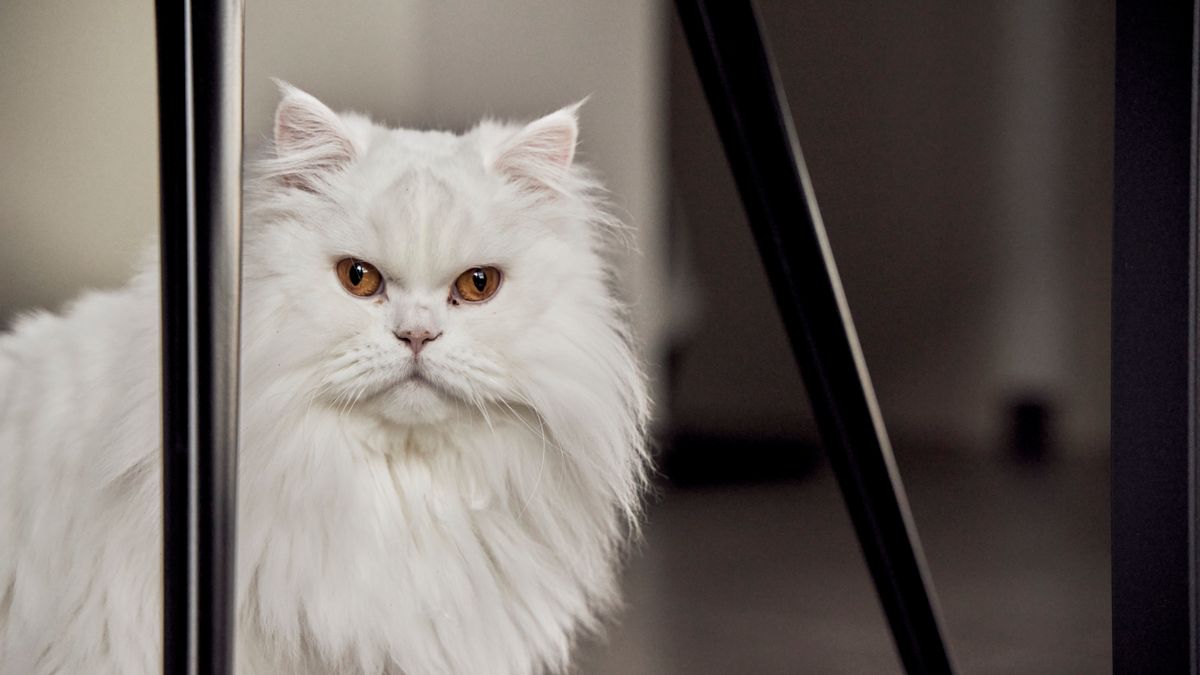
There are cases where relying on a professional is safer for both your cat and you: large mats, a full shave, frightened or aggressive cats, or if you do not have the time or confidence to groom her on your own.
At Cute Cat we offer grooming services, including grooming, shaving, and nail trimming, carried out by people used to handling and calming cats. You can learn about them through our in-branch grooming services.
And if your cat gets stressed by going out or traveling by car, there is a calmer option: mobile grooming, where a trained grooming specialist arrives at your door in a fully equipped vehicle. It is a grooming-only service and does not include a veterinary exam or treatment.
Remember that good grooming is part of your cat's overall health, alongside nutrition, vaccination, and follow-up care, and you can refer to the vaccination and prevention guide to complete the picture.
A Simple Weekly Routine to Follow
You do not need a complicated program. Here is an example you can adjust to suit your cat:
- Daily: A quick look at the eyes and coat, and a short brushing for long hair.
- Twice a week: Full brushing for short hair, and a gentle wipe of the eye corners.
- Weekly: Check the ears and look over the mouth and teeth.
- Every 2 to 4 weeks: Nail trimming.
- Only when needed: Bathing, shaving, or asking for professional grooming.
Keep notes if you can: when you trimmed the nails, and whether you noticed excess shedding or a change in the skin. These notes help the vet if you need one.
Among the most important warning signs that should not be put off: patchy hair loss, flaking and persistent itching, wounds, swelling or pain when touched, or a sudden change in appetite or behavior. Here the vet is the right step, not grooming.
Related Articles
- Cat Litter Boxes: The Complete Guide to a Clean Home and No Odors
- Prescription Cat Food: A Guide to Therapeutic Diets for Kidney, Urinary and Liver Health
- Cat Supplies: The Complete Guide to a Safe, Fun Home for Your Cat
- Cat Food: The Complete Guide to Feeding Your Cat from Kitten to Senior
Frequently Asked Questions
How often should I groom my cat?
Brush once or twice a week for short hair, and almost daily for long hair. Bathe only when needed, and trim nails roughly every 2 to 4 weeks.
Can I use regular shampoo on my cat?
It is not recommended. Use a shampoo made for cats, because her skin and fur differ from a human's, and regular shampoo can cause dryness and itching.
Should I shave my cat in summer?
A healthy cat should not be shaved without need, because her fur helps regulate her temperature and protect her skin. Regular brushing is often enough, and if you want a shave for a reason such as mats, consult a professional.
Is it okay to trim a cat's nails, and does it hurt her?
Trimming the sharp, clear tip of the nail does not hurt your cat as long as you stay away from the living pink part. It is routine care that benefits her and your home, whereas declawing is painful and is not considered grooming.
How do I get my kitten used to grooming?
Start early with short sessions that include touching her paws and ears and light brushing, and reward her after each one. Calm repetition matters more than any trick.
When should I leave grooming to a professional?
For large mats, a full shave, a very fearful cat, or when you are short on time. And if worrying skin or ear signs appear, it is better to see a veterinarian.
If you would rather leave grooming in hands used to cats, take a look at Cute Cat grooming services or choose mobile grooming at your door.