
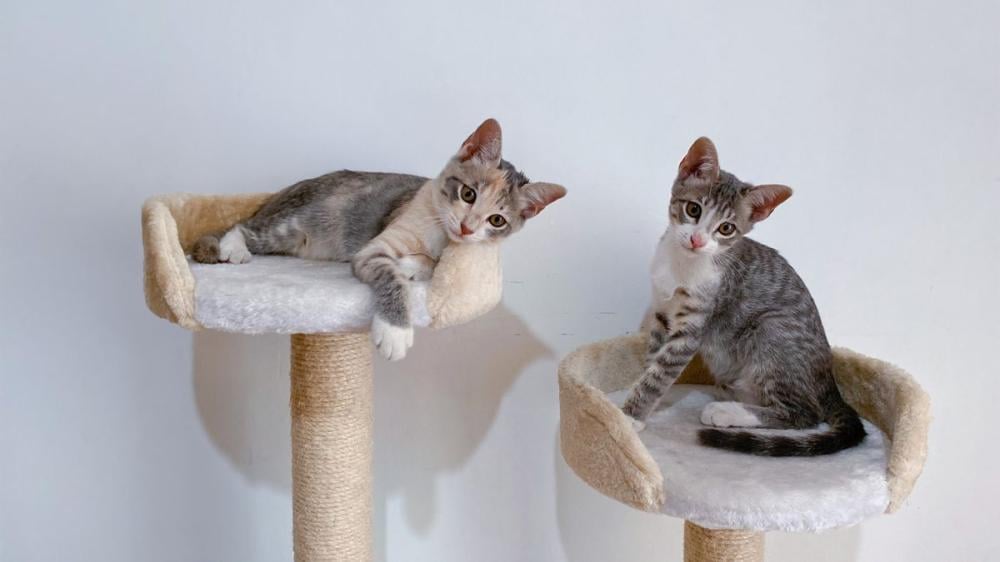
Your cat needs fewer supplies than you might think, but it needs the right kinds. The foundation is whatever satisfies its instincts: play, scratching, climbing and hiding, along with a safe home free of hazards.
In this guide we go through cat supplies one area at a time: toys, scratchers, the cat wheel, travel carriers and cages, and home setup. Each section gives you the practical takeaway and prepares the ground for more detailed articles we will write later.
The quick summary
- Your cat needs daily play and a place to scratch, or it will pick your furniture on its own.
- Choose toys and scratchers according to your cat's age and temperament, and rotate them rather than piling them up.
- Get a sturdy carrier ready before you need it, and get your cat used to it early.
- Check your home from your cat's point of view: windows, cables, plants and hazardous substances.
The Essential Supplies Every Cat Home Needs
Before getting into the details, here is a short list of what no cat owner can do without. Start with these, then add what suits your cat's personality over time.
- Two bowls, one for food and one for water, ideally ceramic, stainless steel or glass.
- A litter box of a suitable size, with a litter your cat accepts.
- One or more scratching posts, and a few varied toys.
- A bed or a warm corner for sleeping and hiding.
- A carrier for vet visits and travel.
- Simple grooming tools that suit your cat's coat type.
Do not buy everything at once. Watch your cat for two weeks: where does it sleep? What does it scratch? What catches its attention? Then buy based on what you saw.
A kitten is different from an adult, and an adult is different from a senior. A senior cat, for example, needs a low entrance to the litter box and a more comfortable bed, while a kitten needs safe toys sized appropriately for its mouth.
If you are looking for one place to find the basics, the cat supplies section at Cute Cat brings what you need together, so you can compare and choose at your own pace.
Cat Toys: Why They Are a Necessity, Not a Luxury
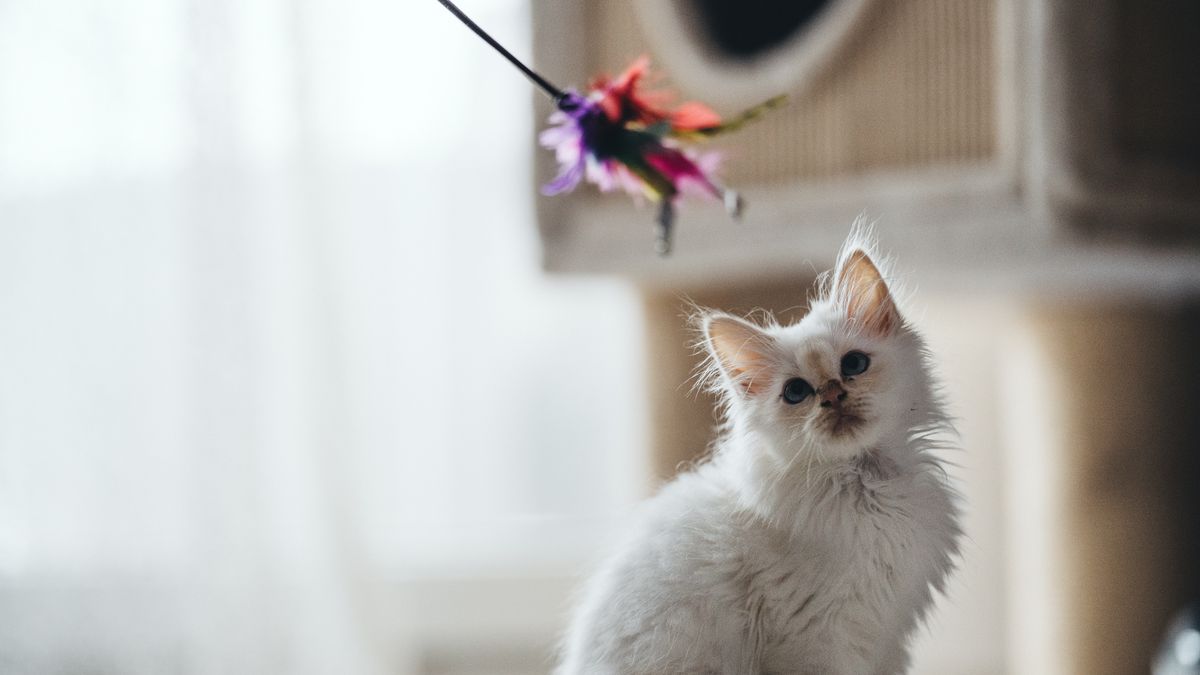
A cat is a predator by nature, and play is its training for stalking and pouncing. A cat with no outlet for this instinct may take it out on your feet or your curtains.
The goal is a short, regular play session every day, not hours on end. Several short sessions spread through the day are usually enough, especially in the evening when cats are most active.
Types of Toys and What Each One Offers
- Wand and feather toys: They mimic a bird or an insect and involve you in the play. They are the best type for direct interaction.
- Light balls: Good for solo play, and they roll easily across the floor.
- Plush mice: Cats love to carry them and bat them with their claws.
- Tunnels and boxes: They meet your cat's need to hide and to ambush.
- Puzzle and treat-dispensing toys: They make your cat work for its reward, and they help cats that spend long hours alone.
Safety Rules When Choosing a Toy
Avoid toys with small parts that could be swallowed, such as plastic eyes and buttons. Also avoid long strings and ribbons if they are left with your cat unsupervised.
Keep wand and string toys for shared play only, and put them away after the session. Check the other toys from time to time, and throw away any that have torn or come apart.
Do not leave all the toys out all the time. Rotate the set of toys roughly every week, because a toy that has been gone for a few days comes back feeling new.
Cat Scratchers: Protecting Your Furniture and Caring for Claws
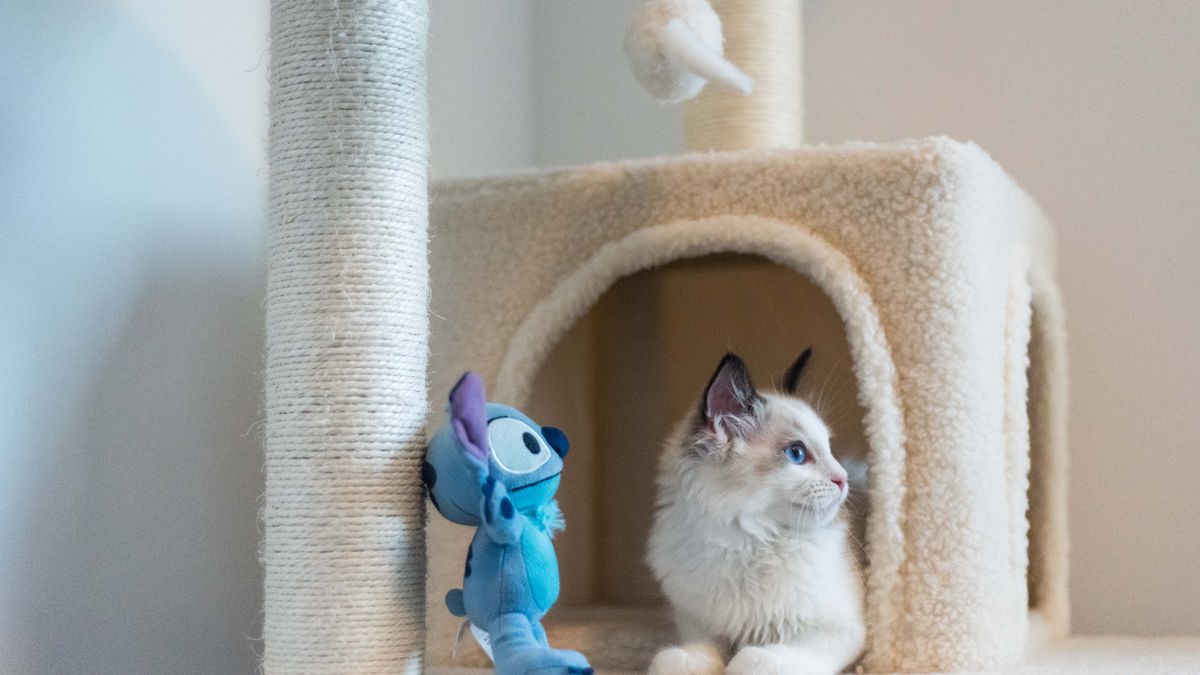
Scratching is not bad behavior. It is a natural need. A cat scratches to stretch its muscles, maintain its claws and leave its mark with the scent from its glands.
So the solution is not to stop the scratching, but to give your cat an acceptable place to do it. If it does not find an alternative, it will choose the sofa or the door.
The Available Types
- Vertical post: Suits cats that like to stretch upward. Choose a tall, stable post that does not wobble.
- Horizontal or angled board: Suits cats that scratch floors and carpets.
- Wall-mounted scratcher: Saves space and works well in small apartments.
- Cardboard scratcher: Light and easy to replace, and many cats love it.
How to Get Your Cat to Use It
Place the scratcher where your cat already scratches, or next to where it sleeps, since cats often scratch right after waking up. Make sure it is firmly anchored, because a wobbly scratcher is quickly rejected.
Encourage your cat with praise or by moving a toy near its base. Some cats like rough textures such as rope and cardboard, while others prefer fabric, so try more than one type.
Avoid punishing your cat for scratching. It frightens the cat and teaches it nothing. It is better to calmly move your cat away and show it the alternative.
The Cat Wheel and Climbing Trees: Room for Your Cat's Energy
Indoor cats need more movement than we tend to imagine, especially in apartments. This is where the cat wheel and cat trees help.
The Cat Wheel
This is a large wheel your cat runs in, much as a person runs on a treadmill. It suits active cats with extra energy, and it can help get your cat moving every day inside the home.
But it is not for every cat. Do not force your cat to use it, and introduce it gradually with gentle rewards.
- Choose a wide, stable wheel with a smooth and safe running surface.
- Place it somewhere steady, away from edges and stairs.
- Watch your cat during its first few uses, and do not leave it alone with the wheel until it is used to it.
Cat Trees and Shelves
Cats love to observe from above, because it gives them a sense of security. A climbing tree or wall-mounted shelves give your cat vertical space that makes up for a small floor area.
Make sure the base is stable and the surfaces are textured so your cat does not slip. If you have more than one cat, provide several levels so they do not compete for a single spot.
Carriers and Cages: For Safe Transport and Special Occasions
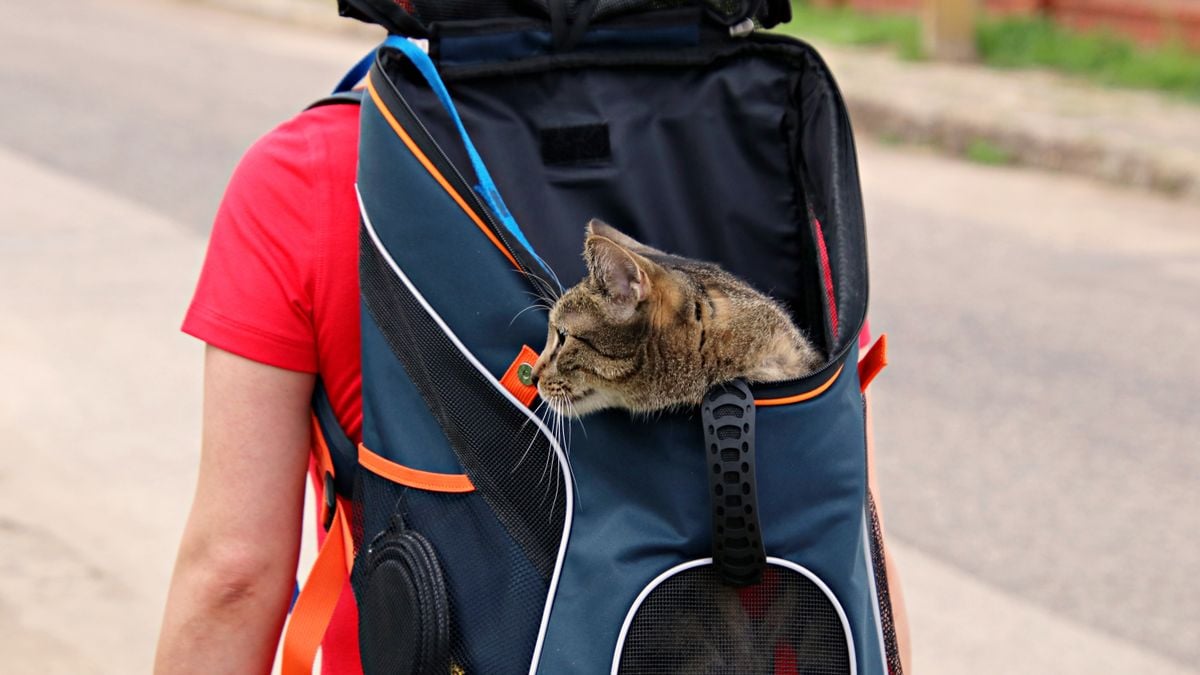
A carrier seems like a minor item until you suddenly need one. Get it ready before the first vet visit or the first trip, not at the last minute.
How to Choose the Right Carrier
- Size: Big enough for your cat to stand, turn around and lie down comfortably, without so much extra space that it gets thrown around.
- Ventilation: Enough side openings, with a cover that can be used to block the view when needed.
- Closure: Sturdy latches that do not open easily.
- Easy opening: Ideally one that also opens from the top, so you can lift your cat out without forcing it.
- Cleanliness: A material that washes easily in case of accidents on the way.
Get Your Cat Used to the Carrier in Advance
Leave the carrier open in the living room days or weeks before the trip. Put a blanket or a piece of cloth with your cat's scent inside, and toss in a few treats.
When your cat sees the carrier as a familiar place, it is less stressed during transport. But if the carrier only appears right before a vet visit, your cat will associate it with unpleasant experiences.
Tips Before Traveling
Secure the carrier in the car with a seat belt or somewhere it cannot slide. Do not open the carrier inside the car, and never leave your cat in a closed car under the sun.
If the trip is outside the city or the country, ask about vaccination requirements and documents well ahead of time. You can read the cat vaccination and prevention guide for the general picture.
When Is a Cage Useful?
A cage is not a permanent place for a cat. But it can help temporarily: after consulting your vet, to rest a cat after a procedure, when introducing a new cat to a home with other cats, or during emergency visits.
If you do use one, make it spacious and comfortable, with a bed, water and a small litter box inside, and do not keep your cat in it longer than necessary.
Setting Up a Safe Home for Cats
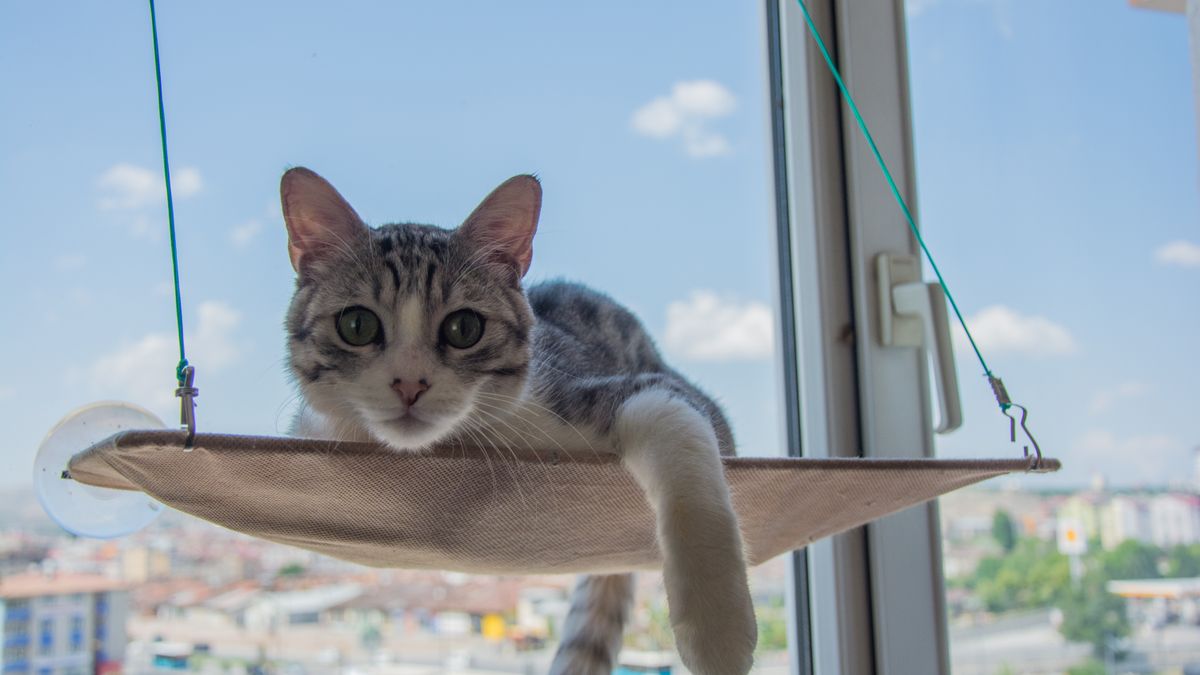
Cats are curious and agile, and they get into places we do not expect. That is why checking your home before your cat arrives is one of the most important things you can do, and the check should be repeated whenever something changes in the space.
Windows and Balconies
This is the first thing that deserves your attention, especially on upper floors. Install protective netting on windows and balconies, and do not rely on your cat "being careful" about falling.
A cat may leap after a bird or an insect without thinking. Windows left slightly open can also be dangerous if your cat gets stuck in them.
Cables and Small Objects
- Gather charger and electrical cables, or cover them with protective sleeves.
- Keep away string, sewing needles, rubber bands and plastic bags.
- Close tissue boxes and trash bins, since cats love to play with what comes out of them.
- Make sure appliances such as the washer and dryer are closed before you run them, because your cat may climb in to sleep.
Plants and Household Substances
Some plants harm cats if chewed, and among the best known is the lily. If you are not sure about a plant in your home, keep it out of your cat's reach or ask your vet about it.
The same goes for cleaning products, insecticides and human medications: store them in closed cabinets. And if you think your cat has swallowed something harmful, contact your vet immediately and do not wait for symptoms to appear.
A Special Corner for Your Cat
Set aside a quiet corner for your cat with a bed and water, away from noise and door traffic. A cat needs a place to retreat to when it is tired or scared.
Placing the litter box in a quiet spot, away from food and water, often improves your cat's acceptance of it.
How to Set Your Priorities and Avoid Common Mistakes
Many cat owners buy a lot, only for their cat to ignore it. It is better to build your collection gradually and thoughtfully.
A Suggested Buying Order
- Safety first: Window netting, a carrier, and removing hazards.
- Daily essentials: Bowls, a litter box and a bed.
- Instinct needs: A scratcher and toys.
- Extras: The cat wheel, climbing trees and puzzle toys.
Mistakes That Keep Happening
- Buying a big toy for a small cat, or a toy so small it can be swallowed.
- Putting the scratcher in a far corner your cat never passes.
- Changing the litter type suddenly, without a gradual transition.
- Surprising your cat with the carrier only on the day of the visit.
- Leaving strings and hazardous toys within reach without supervision.
And remember that your cat is the one who decides in the end. If it ignores something you bought, do not be upset. Try another type or move it somewhere else, because every cat has its own taste.
At Cute Cat, we see many new cat owners asking where to begin. Our answer is always the same: start with safety and the basics, then let your cat tell you what it likes.
And do not forget nutrition, which is part of a comfortable life for your cat. You can read the cat nutrition guide from kitten to senior.
Related Articles
- Cat Litter Boxes: The Complete Guide to a Clean Home and No Odors
- Grooming Your Cat at Home: The Complete Guide to Care and Hygiene
- Prescription Cat Food: A Guide to Therapeutic Diets for Kidney, Urinary and Liver Health
- Cat Food: The Complete Guide to Feeding Your Cat from Kitten to Senior
Frequently Asked Questions
What are the most important cat supplies for a first-time cat owner?
The essentials are a carrier, a litter box, food and water bowls, a scratching post and a comfortable bed. Add a few safe toys, then check your home for window and cable hazards before your cat arrives.
How often should I play with my cat?
The best approach is short play sessions every day, spread across different times, taking your cat's age and energy into account. Kittens play more, while senior cats do well with lighter sessions.
Why does my cat scratch the sofa even though I have a scratcher?
Usually because the scratcher is too far away, unstable, or has a texture your cat does not like. Try moving it next to the sofa, make sure it is steady, and change the type if needed. Encouraging your cat with praise or play near it also helps.
Is the cat wheel suitable for every cat?
No. It suits active cats that accept it. Introduce it gradually and with rewards, and do not force your cat. If your cat is senior or has a mobility problem, consult your vet before any new activity.
How do I get my cat used to the carrier?
Leave it open at home for days or weeks before the trip, with a blanket that smells like your cat and a few small treats inside. Once your cat goes in by itself, try closing it for a short time at home before the first real trip.
Is it enough to leave toys for my cat and head out?
Some safe toys are useful when your cat is alone, but they do not replace playing with you. And do not leave strings or toys with small parts unsupervised.
Set up your home step by step, and do not rush. When you are ready to choose toys, scratchers, carriers and more for your cat, browse the cat supplies section at Cute Cat, and be confident that your cat will thank you in its own way.