
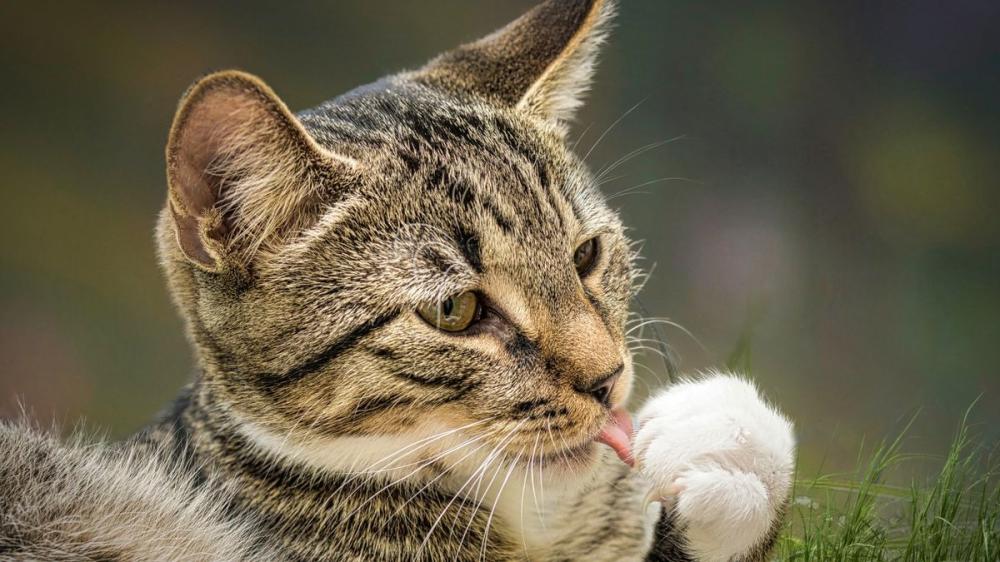
Catnip is a herb from the mint family. It contains an aromatic compound that makes many cats roll around and play excitedly for a few minutes before calming down again. It is generally safe when used in moderation, and it can help with play, training and boredom.
In this guide from Cute Cat, we explain why your cat reacts to catnip, how long the effect lasts, how to use it to shape behaviour, and when you should pay closer attention.
The quick version
- Catnip is a natural herb that is not addictive, and its effect usually lasts 5 to 15 minutes.
- Not every cat responds to it, because sensitivity is inherited. Kittens younger than 3 to 6 months usually show no reaction.
- It can help you draw your cat to a scratching post, get them used to a carrier, and liven up an inactive cat.
- Offer it once or twice a week, and stop if you notice repeated vomiting or aggression.
What is catnip?
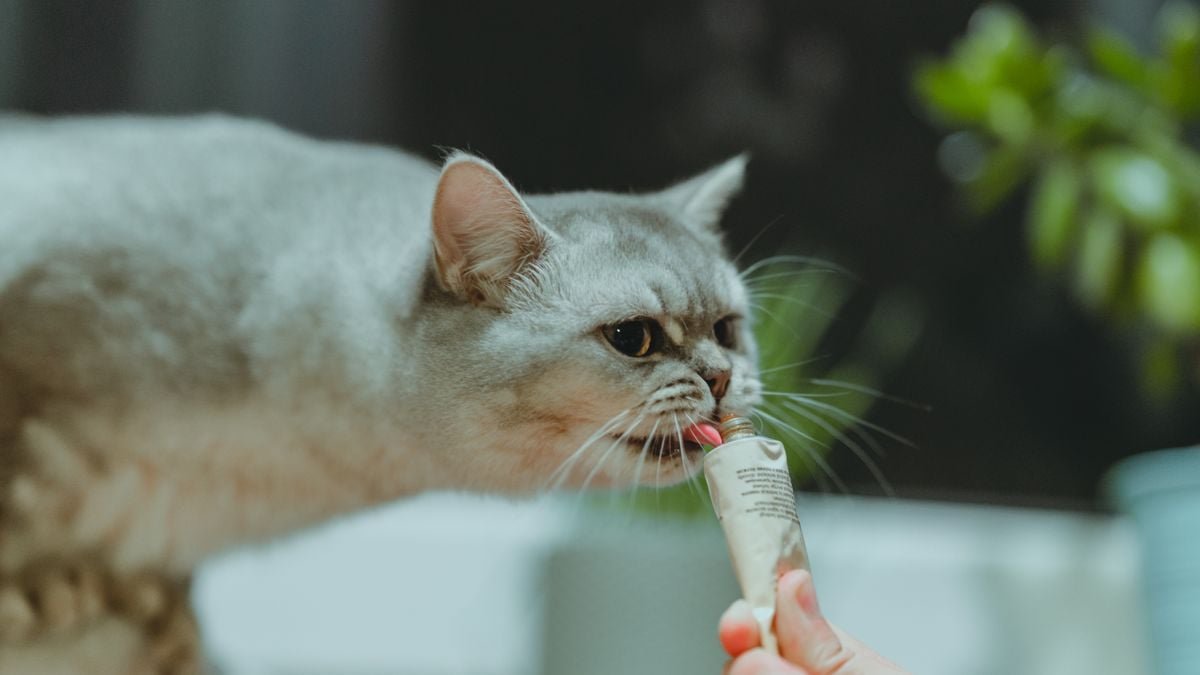
Catnip is a perennial plant in the mint family, known scientifically as Nepeta cataria. Its leaves and stems contain an essential oil, and the main active compound is called nepetalactone.
This compound is behind the odd behaviour you see in your cat. When your cat sniffs it, it reaches the scent receptors in the nose and stimulates areas of the brain linked to mood and behaviour.
You will find it in many forms, including dried leaves, sprays, toys stuffed with catnip, and fresh plants you can grow at home.
Why do cats react to catnip, and do all cats respond?
Not every cat is affected by catnip. Sensitivity to it is a genetic trait, and a fair number of cats show no interest at all, however much you offer them.
If your cat does not react, that does not mean they are unwell or that anything is wrong. They simply did not inherit the sensitivity.
Age plays a part too. Kittens younger than 3 to 6 months usually do not respond, and some cats lose interest as they get older.
Many people believe the active compound mimics scents linked to social behaviour in cats, which is why a cat on catnip often rolls and rubs as if being affectionate.
What does a catnip reaction look like, and how long does it last?
Reactions vary from cat to cat, but you will usually see one or more of these signs:
- Repeated sniffing, followed by licking or chewing.
- Rubbing the cheeks and chin against the source of the scent.
- Rolling onto the back and flipping around on the floor.
- Purring, or meowing in a different tone than usual.
- Sudden bursts of running or chasing things that are not there.
- In some cats, calm, relaxation and a faraway look.
The effect usually lasts 5 to 15 minutes, after which your cat suddenly loses interest. This is followed by a temporary "immune" period that can last half an hour to two hours, during which catnip has no effect no matter how much you offer.
How your cat is exposed also matters. Sniffing tends to bring on activity and excitement, while eating the leaves may make some cats calmer.
Is catnip safe for cats?
Catnip is generally safe, is not addictive, and does not harm your cat when given in moderate amounts. Too much of it, however, can cause mild discomfort.
Watch for these signs, as they mean your cat has had more than enough:
- Vomiting or diarrhoea after eating a large amount of leaves.
- Mild dizziness or unsteadiness.
- Overexcitement or aggression towards you or another cat.
These symptoms usually go away on their own once the herb is removed. But if vomiting keeps recurring or lasts more than a day, do not automatically put it down to catnip. See your vet, and read our complete guide to cat diseases and when to see a vet.
If your cat tends to become aggressive under its influence, give it to them when they are alone, and keep it away from children and other cats in the home.
Types of catnip and how to choose the right one for your cat
Each form of catnip suits a particular use better than the others:
- Dried leaves: Strong-smelling and suitable for everything. Sprinkle a little on a blanket or scratching post. Store them in an airtight container away from heat so the scent does not fade.
- Spray: Handy for surfaces and carriers, but usually weaker than the leaves and needs reapplying.
- Stuffed toys: Great for everyday play. Some have an opening so you can refresh the filling when the scent weakens.
- Fresh plant: A lovely option if you have a sunny spot, but your cat may attack it and eat the whole thing if it is within reach.
If this is your cat's first time, start with a very small amount, about a pinch between two fingers, and watch how they react before giving more.
Practical uses for catnip in behaviour and training
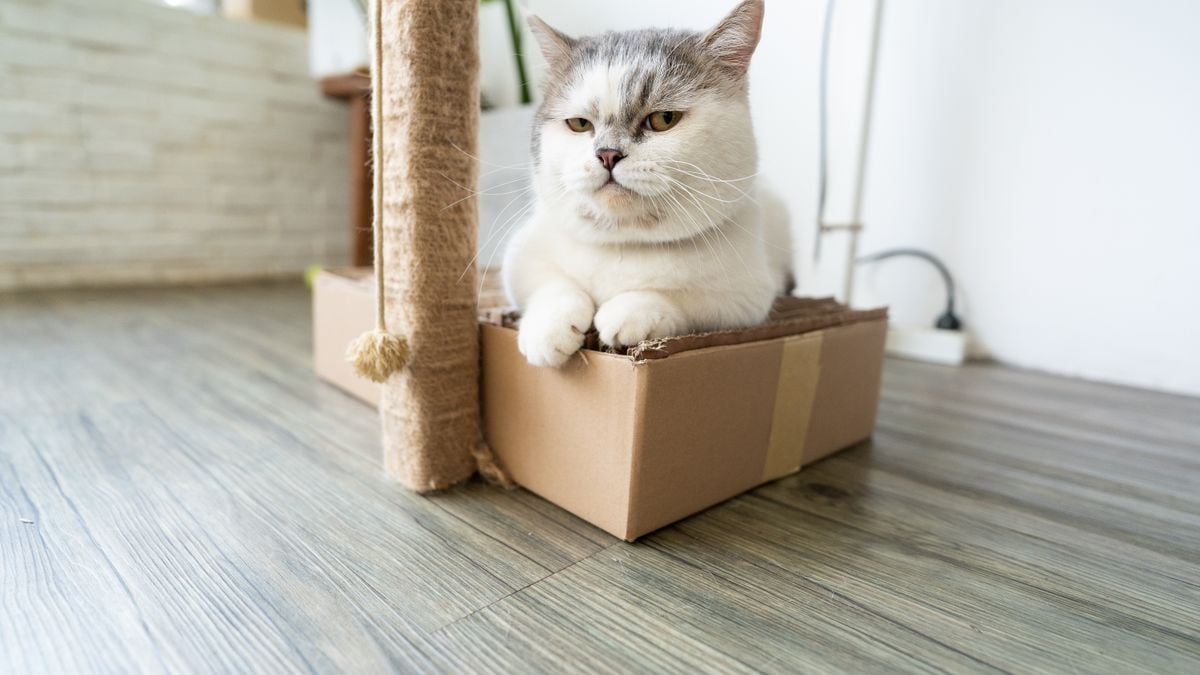
This is where catnip really proves its worth. It is a natural reward that helps you guide your cat's behaviour instead of punishing them.
Redirecting scratching to the right place
If your cat scratches the sofa or carpet, sprinkle a little catnip on a scratching post and place it next to the spot they have been scratching.
Each time they use the post, praise them in a calm voice so they link it with a pleasant experience.
Getting your cat used to the carrier
Many cats hate the carrier because they only see it on the way to the clinic. Leave the carrier open at home and put a little catnip inside a few days before the appointment, not on the day itself.
Livening up an inactive or apartment cat
Cats that spend all day indoors need to move. A catnip toy combined with a short play session using a feather wand helps burn off energy and eases the boredom that leads to unwanted behaviour.
Helping your cat warm up to a new place or object
When you bring in a new bed or cat house, a sprinkle of catnip can encourage your cat to explore it rather than ignore it.
At Cute Cat, we always suggest using catnip as part of a regular play routine, not as the only solution to any behaviour problem.
Common mistakes when using catnip
- Giving it every day: Daily use weakens the response over time. Once or twice a week is best.
- Leaving it out all the time: Your cat gets used to the scent and loses interest. Put the toys away and bring them out only at playtime.
- Using it to calm a frightened cat before a stressful situation: Some cats get more worked up under its influence, so do not rely on it to calm your cat until you know how they react.
- Giving it to several cats at once without supervision: Play can turn into a fight, especially between cats that do not get along to begin with.
- Expecting it to work on every cat: If your cat shows no reaction after two or three tries, they are most likely not genetically sensitive to it.
Alternatives for cats that do not respond to catnip
If your cat is one of those that catnip leaves unmoved, there are other plants that attract many cats:
- Silvervine (matatabi): Sold as chew sticks or powder, and many cats that ignore catnip respond to it.
- Valerian root: Its smell is strong and unpleasant to people, but some cats love it.
- Tatarian honeysuckle wood: Used in some cat toys and well worth a try.
Try one alternative at a time, in a small amount. And if your cat is not drawn to any of them, interactive play with you is still the best motivator of all.
Related Articles
- Cat Diseases and Treatment: The Complete Guide to Symptoms and When to See a Vet
- Cat Vaccinations and Prevention: The Complete Guide from Kitten to Senior
Frequently asked questions
Is catnip addictive for cats?
No. Catnip does not cause addiction or withdrawal symptoms. After each session your cat goes through a period when it has no effect, which naturally limits overuse.
At what age can I give my cat catnip?
You can offer it from around 6 months of age. Before that, kittens usually do not react to it, so there is no point giving it to them.
How often can I give my cat catnip?
Once or twice a week is enough to keep the response strong. Daily use makes your cat lose interest.
My cat ate a lot of catnip. What should I do?
Remove the herb and give your cat fresh water and a quiet place to rest. Mild vomiting or diarrhoea may appear and then pass. If the symptoms continue or your cat becomes very lethargic, take them to the vet.
Can catnip help calm a stressed cat?
It depends on the cat. Some cats relax after eating it, while others get more excited when they smell it. Try it first on an ordinary day to see how your cat reacts before using it in a stressful situation.
Why does one of my cats react to catnip while the other does not?
Because catnip sensitivity is inherited. Two cats in the same home can respond completely differently, and that is perfectly normal.
Catnip is a small, fun tool that helps with play and training when you use it in moderation and keep a close eye on your cat. At our Cute Cat branch in Jeddah, our team is happy to help you choose what suits your cat's personality.
Ready to get started? Browse our cat supplies section for catnip toys, scratching posts and everything you need for better play sessions with your cat.