
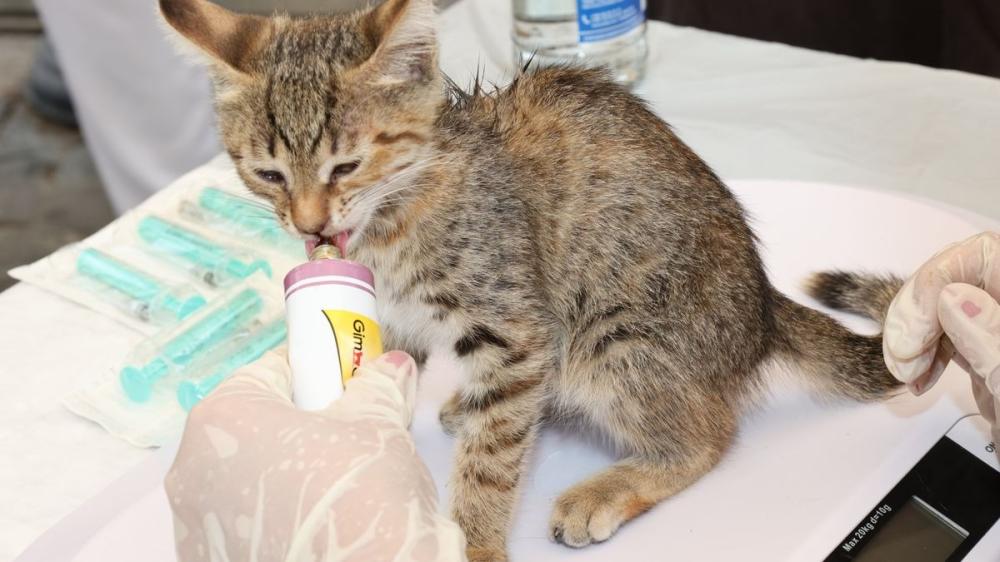
Cat medications are not scaled-down versions of human medicines. A cat's body handles many substances in a completely different way. That is why the first rule is simple: never give your cat any medication unless your veterinarian has prescribed it or told you to, and choose products made specifically for cats from a trusted veterinary pharmacy.
In this guide we walk through the most common medications, spot-on treatments and supplements, how to give them to your cat without stress, and which human medicines can be dangerous for her. At Cute Cat, we see cat owners asking about this every day, so we have gathered the most important answers in one place.
The quick summary
- Cats cannot tolerate many human medicines, and some are toxic even in a small dose.
- The dose is set by the veterinarian alone, based on your cat's weight and condition. It should never be guessed.
- Flea and tick spot-on treatments must be made specifically for cats, without exception.
- Finish the treatment for the full length of time the vet specified, and watch for side effects and report them right away.
Why are cat medications different from human medications?
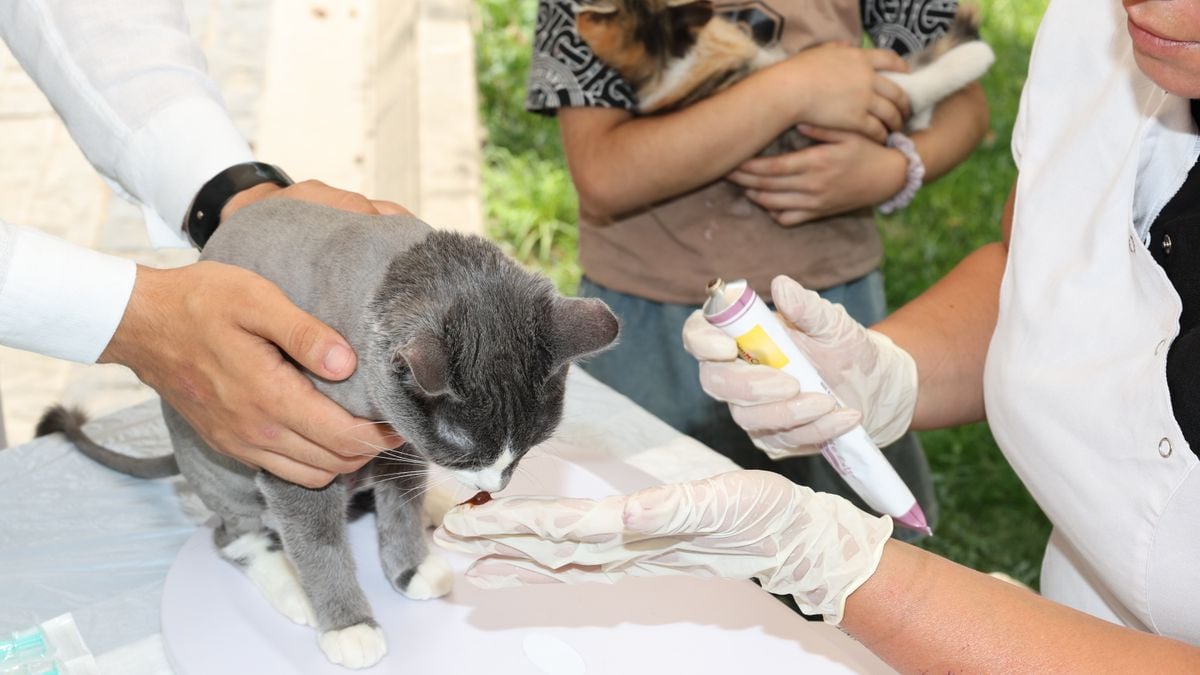
Cats have a unique metabolism. Their liver processes some substances very slowly, so those substances stay in the body longer and build up until they reach a toxic level.
This means that a simple medicine we take without a second thought can cause serious harm to a cat's liver, blood or kidneys. A cat's small size also leaves very little room for error.
For this reason, a veterinarian considers several things when prescribing medication:
- Your cat's current weight, not an estimate.
- Age: very young and senior cats need extra care.
- Overall health, including liver and kidney function.
- Any other medications or supplements your cat is taking.
- Pregnancy and nursing, if applicable.
So our advice is always the same: a medicine that worked for your neighbor's cat, or for your own cat a year ago, may not be right for her today.
The most common types of veterinary medication for cats
There are many medications, but most of what a cat owner comes across falls into a few categories. Knowing the category helps you understand why a medicine is prescribed and when it is used.
Antiparasitics
These include intestinal deworming medicines and flea and tick spot-on treatments, and some cover both. They are usually given on a regular schedule for prevention, not only once a problem appears.
Antibiotics
These are prescribed only for bacterial infections and do not work against viruses. It is a mistake to ask for them without an examination, and it is also a mistake to stop them early because your cat seems better.
Pain relievers and anti-inflammatories
Only those prescribed by the veterinarian for your cat's specific condition are suitable for cats. This is exactly where the biggest risk lies when human painkillers are given by mistake, and we cover it in a later section.
Digestive medications
These include medicines for vomiting, diarrhea, appetite stimulation, and hairball gel. These medicines do not always treat the cause, and repeated vomiting can be a sign of a problem that needs an examination.
Eye and ear drops
These are used for eye and ear infections and for cleaning them. Each condition has its own suitable drops, and using the wrong ones can make the problem worse, especially in the eye.
Medications for chronic conditions
Some cats need long-term medication, for example for kidney problems, thyroid disease or diabetes. These cats are monitored with regular check-ups, and the vet adjusts the medication based on the results.
You can find many products made for cats in the Veterinary Pharmacy section, and you can ask about the right product before you buy.
Parasite prevention spot-ons: what you need to know
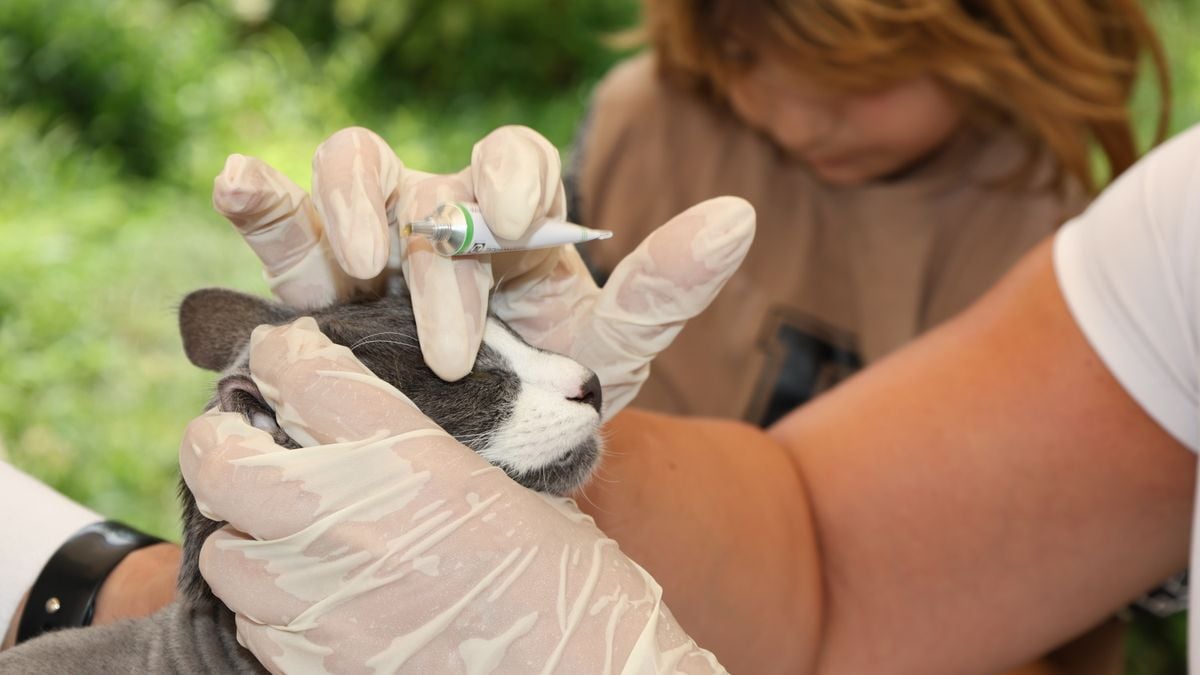
Spot-on treatments, usually applied to the skin between the shoulder blades, are among the most commonly used medications for cats. They protect against fleas and ticks, and some also cover internal worms.
The most important thing is choosing the right product. Some dog products contain ingredients such as permethrin, which is highly toxic to cats and can cause tremors and seizures.
To use spot-ons safely, follow these points:
- Make sure the package clearly states that it is for cats and that it suits your cat's age and weight.
- Part the fur at the recommended spot and apply the drops directly to the skin, not onto the hair.
- Choose a spot your cat cannot lick, and keep other cats from licking it until it dries.
- Do not add a second product on top of the first without asking your vet.
- Wash your hands after applying the treatment.
If you have both a dog and a cat at home, keep their products and applicators separate, and keep the cat from touching the dog right after the dog's treatment if it contains an ingredient that is not safe for cats.
As for flea collars, some are suitable and some are not, so ask your vet before relying on one, especially for very young kittens.
Cat supplements: when do they help?
Supplements support your cat's health but do not replace treatment. A cat eating a complete, balanced diet often does not need many of them, but there are cases where a vet recommends a specific supplement.
Some of the most commonly used supplements for cats include:
- Omega-3: to support skin health, coat shine and some inflammatory conditions.
- Probiotics: to support the balance of beneficial gut bacteria, especially after digestive upset or a course of antibiotics.
- Joint supplements: for senior cats or those with stiffness when they move.
- Urinary tract supplements: used in specific cases under the vet's guidance.
- Hairball gel: helps long-haired cats pass swallowed fur.
- Multivitamins: for cats that need nutritional support, such as nursing mothers or cats recovering from illness, under veterinary supervision.
Keep in mind that "natural" does not always mean "safe". Some oils and herbs that we use ourselves can harm cats, and some vitamins build up in the body if given in excess.
Choose supplements made for cats, read the label carefully, and tell your vet everything you give your cat so it does not interfere with other treatment.
How to give your cat medicine without stress
Giving medicine to a cat is a real challenge for many owners, but staying calm and preparing ahead makes a big difference. Your cat can sense your tension, so be confident and gentle.
Tablets and capsules
- Get everything ready before you pick up your cat: the medicine, a small treat, and a small towel.
- Sit in a quiet spot and hold your cat gently, with her body supported against your chest.
- Tilt her head back slightly, open her mouth gently, and place the tablet at the back of the tongue.
- Close her mouth and gently stroke her throat until she swallows.
- Afterward, offer a treat or a small amount of water, as your vet advises.
A "pill giver" is also available, which makes the process easier and protects you from bites. Some cats will accept medicine hidden in a pill pocket treat made for this purpose, but ask your vet first because some medicines are affected by food.
Do not crush a tablet or open a capsule unless your vet or pharmacist tells you it is allowed, as the medicine may work differently or taste very bitter.
Liquid medications
Use the syringe provided, place its tip in the corner of the mouth between the cheek and teeth, and give the dose slowly and in small amounts. Pushing it in quickly can send the liquid into the airway.
Eye and ear drops
Hold your cat's head gently, and do not let the tip of the bottle touch the eye or ear, so that infection is not spread. After ear drops, massage the base of the ear from the outside so the drops reach the right place.
If your cat refuses the medicine
Do not punish her or force her, as this makes her more afraid next time. You can ask your vet about alternatives, since some medicines come in liquid, flavored or other easier forms.
If you need a practical demonstration, the clinic team at Cute Cat shows cat owners how to give medicine step by step, which is better than trial and error at home.
Human medications that are dangerous for cats
This is the most important section of the guide. Many cases of poisoning in cats happen because an owner wanted to help and reached for a medicine from the household medicine cabinet.
The most dangerous ones to avoid:
- Paracetamol (acetaminophen): extremely dangerous for cats, and it damages blood cells and the liver even in a small amount.
- Ibuprofen and naproxen: can cause stomach ulcers and kidney failure.
- Aspirin: only to be given under the vet's direction, because cats clear it from the body very slowly.
- Combination cold and cough medicines, since many contain ingredients that are toxic to cats.
- Antidepressants and ADHD medications, which are among the most common causes of emergencies in animals.
- Human skin creams and ointments, which a cat may lick off.
- Dog spot-on products and drops, as mentioned earlier.
And do not forget that a cat may swallow tablets that fall on the floor. Keep your medicines in a closed cabinet, and do not leave tablets on a table or in an open bag.
What should you do if your cat swallows a human medication?
- Take the package with you and note the name of the medicine, its strength, roughly how much is missing, and when it happened.
- Call the veterinary clinic immediately and do not wait for symptoms to appear.
- Do not try to make her vomit at home, and do not give salt, milk or any home remedy, unless the vet tells you to.
Early action can make a big difference between simple treatment and serious complications.
Storage, side effects and when to call the vet
A good medicine can lose its effectiveness or become harmful if it is stored incorrectly. Always read the leaflet and the pharmacist's instructions.
- Keep medicine in its original packaging, away from heat, humidity and sunlight.
- Some liquid medicines and drops need refrigeration, and this is written on the package.
- Check the expiry date, and dispose of expired medicine where animals cannot reach it.
- Do not mix medicines in one container, and do not give any medicine without a clear label.
- Record dose times so you do not miss a dose or repeat one.
Signs that mean you should contact the vet
Watch your cat after starting any new medicine. Call the vet if you notice:
- Repeated vomiting or ongoing diarrhea.
- Obvious lethargy or refusing food for more than a day.
- Heavy drooling, tremors, or wobbly walking.
- Facial swelling or severe itching after the medicine, which could be an allergy.
- Difficulty breathing: this is an emergency that requires going to the clinic immediately.
Many medicines are prescribed to treat specific illnesses, and you can read our guide to cat diseases and their treatment to learn which symptoms call for a vet visit.
And if you are not sure about your cat's condition, the best step is to book an appointment at the veterinary clinic to have her examined before giving any medicine.
This content is for general awareness only and does not replace a veterinary examination or a vet's prescription. Do not start or stop any medicine for your cat without consulting a veterinarian.
Related Articles
- Cat Food: The Complete Guide to Feeding Your Cat from Kitten to Senior
- Cat Surgery and Tests: The Complete Guide Before and After the Procedure
- Cat Diseases and Treatment: The Complete Guide to Symptoms and When to See a Vet
- Cat Vaccinations and Prevention: The Complete Guide from Kitten to Senior
Frequently asked questions
Can I give my cat a painkiller from my home medicine cabinet?
No. Most human painkillers, such as paracetamol and ibuprofen, are dangerous for cats and can cause severe poisoning. If your cat is in pain, take her to the vet so they can prescribe what suits her.
How often does a cat need deworming medicine and flea spot-ons?
It depends on your cat's age, lifestyle and the product used. Your vet will set a suitable regular schedule for her, and you should stick to the dates even if your cat looks perfectly healthy.
Can I stop the antibiotic once my cat gets better?
Do not do this without asking your vet. Stopping treatment early may let the infection return or make it harder to treat, so finish the full course prescribed.
Are cat supplements necessary?
They are not necessary for every cat. A healthy cat on a complete diet often does not need them, but the vet may recommend them in cases such as old age or skin or digestive problems.
What if my cat vomits after taking medicine?
Do not repeat the dose on your own. Call the vet and tell them which medicine it was and when your cat vomited, as they will decide whether to repeat the dose or adjust the treatment.
Can I use my dog's spot-on on my cat if it is from the same brand?
No. Dog formulas may contain ingredients that are toxic to cats. Always use a product clearly labeled as made for cats and suitable for her weight.
If you are looking for a medicine, spot-on or supplement for your cat, browse the Veterinary Pharmacy section at Cute Cat, or book her an exam at our veterinary clinic so the vet can prescribe what is safe and right for her.