
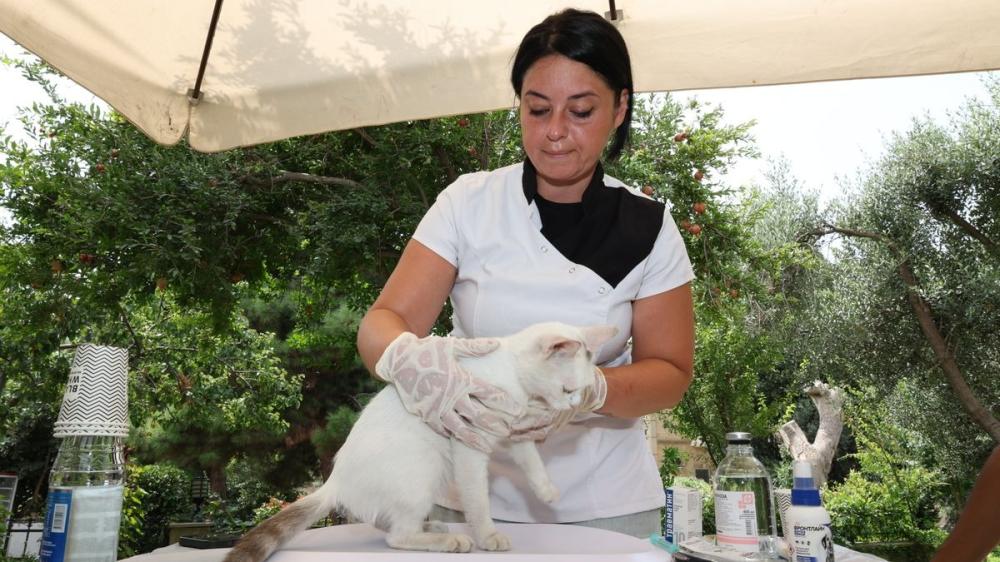
The most common procedures cats go through are spaying or neutering and dental cleaning. They are usually preceded by tests such as lab work, ultrasound and X-rays to make sure your cat is fit for anesthesia. Success does not depend on the procedure alone, but on three things: a thorough check-up beforehand, proper preparation at home, and calm care afterward.
In this guide we explain each part in practical terms, so you understand what will happen to your cat and what is expected of you. At Cute Cat, we meet worried cat owners every day who dread the word "surgery", and most of that worry fades once the picture becomes clear.
The quick summary
- A vet exam and lab work before anesthesia are your first line of safety, and they should not be skipped even for a young cat.
- Spaying and neutering are routine, common procedures, and the vet decides the timing based on your cat's age and condition.
- Bad breath and changes in eating are signs that call for a dental check, and they should not be left to pass on their own.
- Aftercare, including the cone, rest and watching the wound, determines how quickly your cat recovers.
Regular Vet Check-Ups: The Basis of Every Decision
Before any procedure or test, the vet starts with a full physical exam. They listen to the heart and lungs, feel the abdomen, check the mouth, teeth, eyes and ears, and review weight, age and health history.
This exam can reveal things you would not notice at home, such as a heart murmur, gum inflammation or a small lump. Finding them early can change the treatment plan or the timing of surgery.
A healthy adult cat should be examined at least once a year, with more frequent visits for senior cats or those with a chronic illness. A cat is generally considered senior from around seven years old, though this varies from cat to cat.
Cats are skilled at hiding pain, which is why we so often miss that they are hurting. A small change in behavior may be the only sign:
- Eating less, or suddenly preferring soft food.
- Hiding more than usual or losing interest in play.
- Neglecting grooming or developing matted fur.
- Drinking or urinating more, or urinating outside the litter box.
If you notice any of these for more than two days, book an exam rather than waiting. To learn about general symptoms and when a visit is urgent, see our guide to cat diseases, treatment and when to see the vet.
Spaying and Neutering Cats: When, Why and How?
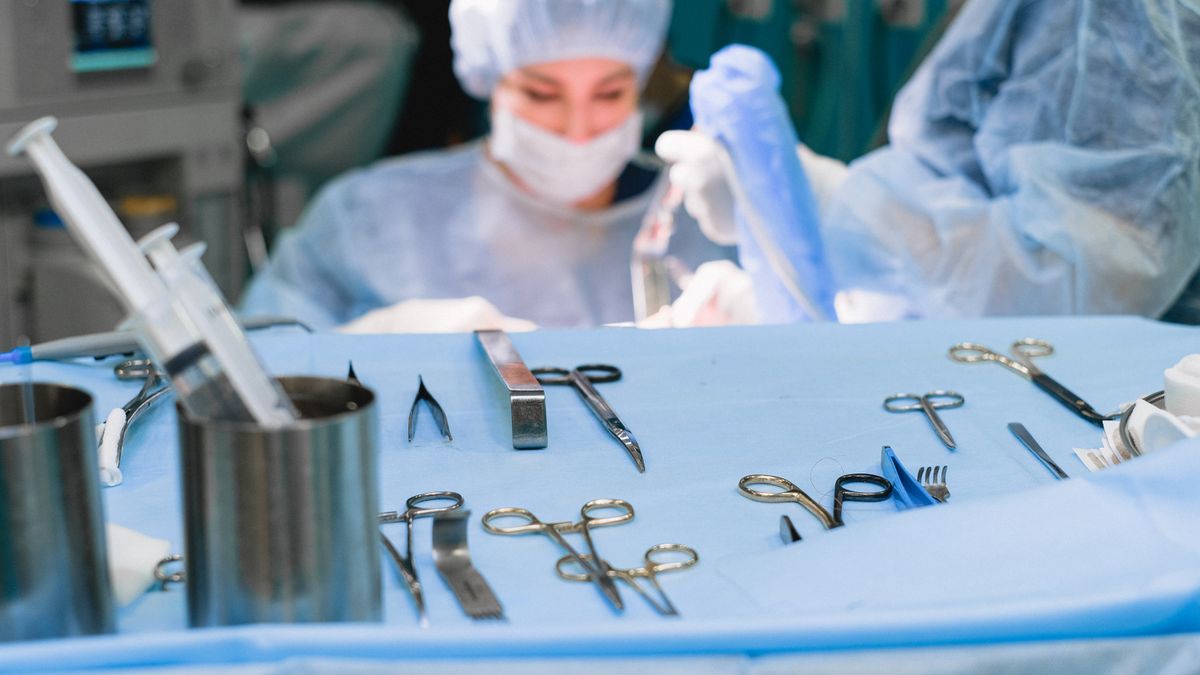
Spaying or neutering is a surgical procedure performed under full anesthesia to prevent breeding. In females, the ovaries are usually removed along with the uterus; in males, the testicles are removed. The vet chooses the technique that suits each case.
Among its main benefits are preventing unplanned pregnancies and reducing hormone-related behaviors, such as loud calling during heat in females, and urine spraying, roaming and fighting in males. It also protects females from a dangerous uterine infection and from some mammary tumors when done early.
As for timing, it often starts from around five to six months of age, depending on your cat's growth, weight and the vet's recommendation. There is no need to wait for a first heat without a reason, and the decision is made with your vet after examining your cat.
What happens on the day of surgery? In short:
- The vet examines your cat and confirms she is fit for anesthesia.
- Your cat is given suitable anesthesia, and her pulse and breathing are monitored throughout the procedure.
- The surgery is performed with sterile instruments and the incisions are closed.
- Your cat wakes up under observation, and usually goes home with you the same day if her condition is stable.
Do not spay or neuter a cat that is sick, in heat or pregnant without consulting the vet. These situations need special assessment before any decision.
A common question is whether a cat should have a litter before being spayed. No, there is no proven health benefit to this, and it is best to discuss it with your vet.
Cat Dental Cleaning and Tartar: Why Not to Ignore It
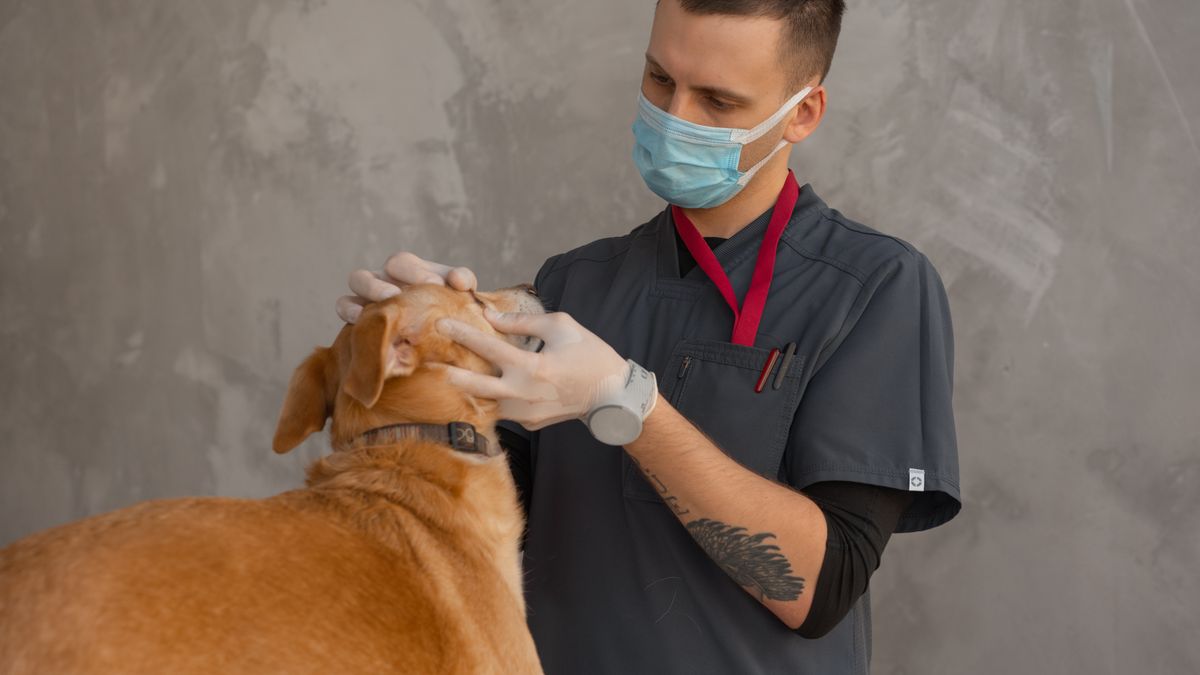
Tartar builds up on cats' teeth just as it does in people. Over time the gums become inflamed, and the inflammation can reach the tooth root. Many cats suffer in silence and keep eating, so their owners do not notice.
Signs that call for a mouth check:
- Persistent bad breath.
- Red gums or bleeding when touched.
- Excess drooling or chewing on one side only.
- Food dropping from the mouth or refusing dry food.
- Yellow or brown tartar on the teeth.
Proper cleaning is done under anesthesia, because a cat will not open her mouth and stay still enough to allow tartar removal below the gumline. It usually includes examining every tooth, removing tartar with an ultrasonic scaler, and then polishing the teeth.
The vet may also see a need for dental X-rays or removing a damaged tooth, and that decision is made in the clinic after the exam. As for "anesthesia-free dental cleaning", it does not reach below the gumline and can leave teeth looking clean while the problem remains.
At home you can help, step by step:
- Get your cat used to having her mouth touched while she is young.
- Use only a brush and toothpaste made for cats, and never human toothpaste.
- Ask your vet about food or treats that help reduce tartar.
Daily brushing is best, but it is not easy with every cat. If yours will not accept it, regular mouth checks remain the safest option.
Lab Tests for Cats: What Do They Reveal?
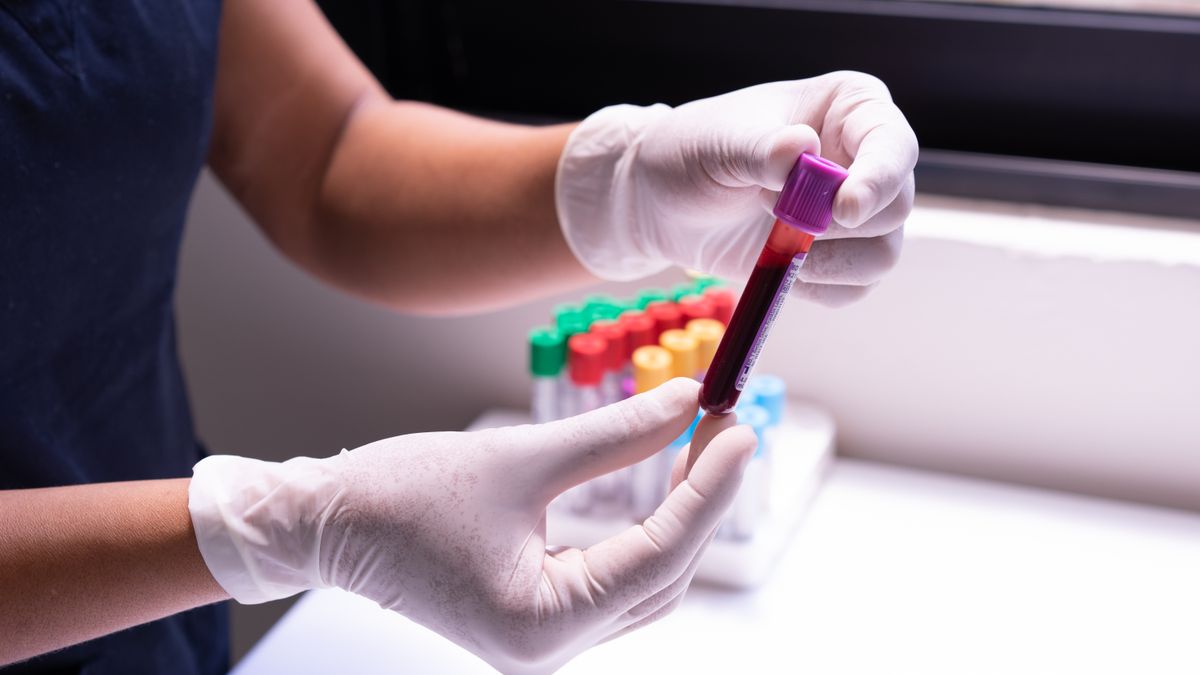
Lab tests give the vet a view of the inside that the eye cannot see. They are requested for two reasons: to assess a cat showing symptoms, or to screen a healthy cat before anesthesia and as she gets older.
The main types:
- Complete blood count: detects anemia, infection and platelet levels.
- Blood chemistry: assesses the kidneys, liver, blood sugar and electrolytes.
- Urinalysis: helps detect urinary tract infections, kidney problems and diabetes.
- Thyroid test: often requested for older cats that lose weight despite a good appetite.
- Virus tests: such as tests for feline leukemia and feline immunodeficiency virus (feline AIDS), for new cats or those in contact with others.
- Fecal test: to detect worms and parasites.
The most important test for surgery is the pre-anesthetic panel. The kidneys and liver help process anesthetic drugs, and any problem in them changes the choice of drug and the way your cat is monitored. A cat can look perfectly active and healthy while hiding a silent illness.
Not every test needs special preparation, but some require fasting and some need a fresh urine sample. Ask the clinic when you book what is needed, which can save you a second visit.
Do not interpret the results yourself from the printed numbers. A value outside the reference range is not a diagnosis in itself. The vet links it to the exam and the symptoms.
Ultrasound and X-Rays for Cats: When Are They Needed?
Imaging shows what lab tests cannot, revealing the shape, size and position of organs. Both methods are safe and complement each other, and each excels at different things.
X-rays are excellent for:
- Bones, joints and fractures.
- The chest, lungs and heart size.
- Foreign objects and, at times, blockages in the digestive tract.
- Stones that show up in the bladder.
Ultrasound, on the other hand, shows the detail of soft tissues: the liver, kidneys, bladder, stomach, intestines and uterus, and it is useful for monitoring pregnancy. It does not usually require anesthesia, though the belly fur may be shaved to improve the image.
The vet may recommend an ultrasound if they notice a swollen abdomen, pain when touched, repeated vomiting, difficulty urinating, or an abnormal test result. They may combine both methods to complete the picture.
Some cats get stressed during imaging, so the vet may use light sedation to keep them still. This helps the accuracy of the result and your cat's safety, so tell the vet about any previous illness or medication your cat takes.
Imaging remains a supporting tool. The final diagnosis combines the exam, the lab work and the images together.
Preparing for Surgery: What to Do Before the Appointment
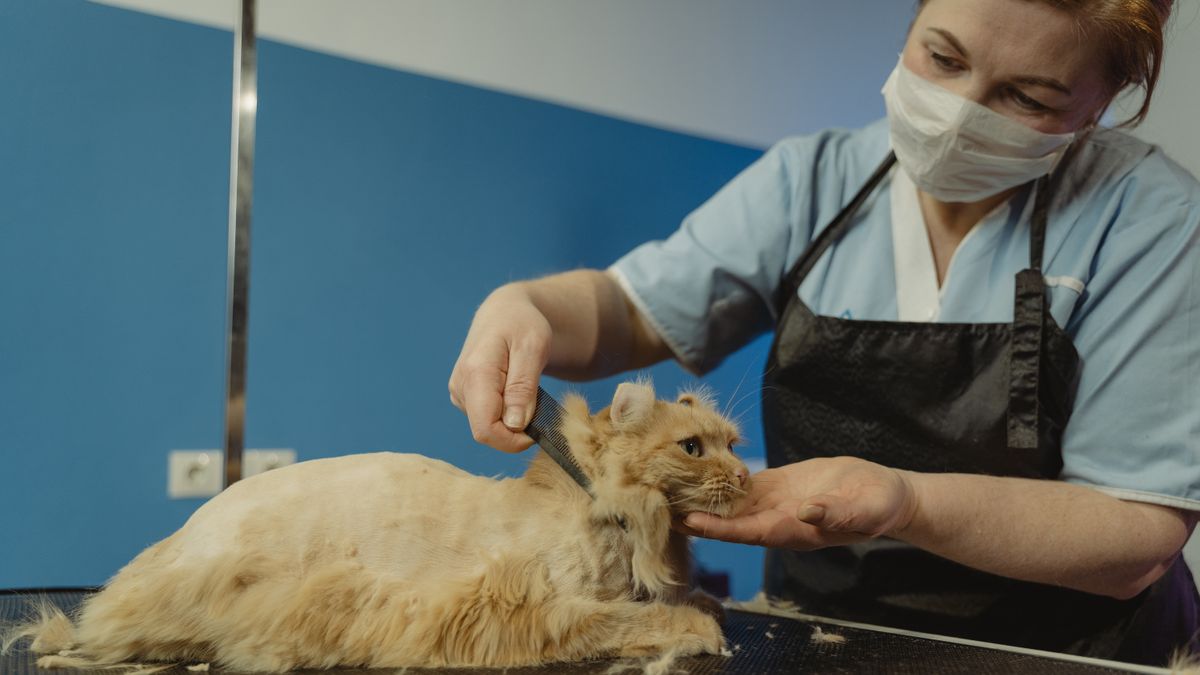
Good preparation reduces risks and makes recovery easier. The most important rule is to follow your clinic's instructions to the letter, since they vary with your cat's condition and the type of anesthesia.
The usual steps:
- Have the exam and lab work done in advance, before the day of surgery and not only that morning.
- Make sure your cat's vaccinations are up to date according to schedule.
- Follow the fasting instructions the vet gives you for the last meal and the last water.
- Tell the vet about any medication or supplement your cat takes, and about any allergy or past reaction to anesthesia.
- Keep your cat in a secure, closed carrier, ideally with a towel that smells familiar inside.
Fasting matters to reduce the risk of vomiting during anesthesia. But do not decide its length on your own, especially with kittens or diabetic cats, which need specific guidance.
Prepare your home before she returns from the clinic:
- A small, quiet, warm room away from children and other animals.
- A litter box with low sides that is easy to step into.
- Clean water nearby, and light food as the vet recommends.
- A sleeping spot on the floor, so there is no jumping onto beds or chairs.
Before you leave home, ask yourself: will I be available to stay near my cat for the first two days? This is an important time for observation. If you have other cats, separate them temporarily, as they may not recognize the scent of the cat returning from the clinic and may fight with her.
Aftercare: How Your Cat Recovers Safely
After anesthesia your cat will stay wobbly and drowsy for hours, and she may have less appetite than usual. This is normal in the first hours, but it should not last long.
In the first days:
- Keep her in her quiet room and check on her from time to time.
- Offer water and light food in small amounts, as the vet directs.
- Prevent running, jumping and climbing for as long as the vet specifies, often around a week to ten days after spaying or neutering.
- Put the protective cone on her and do not remove it, so she cannot lick or bite the wound.
- Check the wound twice a day by looking, without touching it too much.
- Give only the prescribed medication, in the way and at the times the vet wrote down.
Important warning: never give your cat any human painkiller such as paracetamol or ibuprofen. They are extremely dangerous to cats and can be fatal. Do not use any disinfectant on the wound on your own without guidance.
Contact the vet or the nearest clinic immediately if you see any of the following signs:
- Bleeding or swelling that is increasing, or a wound that opens.
- Yellow discharge or a bad smell from the wound.
- Repeated vomiting or diarrhea.
- Severe lethargy, or refusing food and water for more than a day.
- Pale gums, or fast or difficult breathing.
- Clearly not urinating or passing stool after the procedure.
After dental cleaning, your cat may need soft food for a short time, especially if teeth were removed, and the vet will decide how long. A short follow-up visit will usually be arranged afterward to make sure all is well.
At the follow-up appointment, the vet checks the wound and decides whether to remove the stitches if they are external and not self-absorbing. Keep the appointment even if your cat seems fine.
How to Choose Where to Have the Exam and Surgery
Choose a clinic that combines a licensed veterinarian, anesthesia monitoring equipment, a clean and sterile operating room, and the ability to run lab tests and imaging. Most importantly, the clinic should explain the procedure and the risks and answer your questions honestly.
Questions worth asking before you book:
- What tests come before anesthesia?
- How is my cat monitored during and after surgery?
- Will she stay under observation until she wakes up?
- What should I do if a problem occurs at night?
- When is the follow-up appointment?
At the Cute Cat veterinary clinic you can arrange the exam, lab work and imaging, and discuss spaying or neutering and dental cleaning with the vet before setting any appointment.
If your cat is very stressed by car travel, some simple exams and follow-ups can be done through a visit from the mobile veterinary clinic at your door. The vet decides which of them suit this, as surgery and anesthesia need the equipped clinic environment.
To ease your cat's stress on the way, place the carrier in a stable spot in the car and cover it with a light cloth. Keep the visit as calm as possible, since a relaxed cat is easier to examine.
This content is for general awareness only and is not a substitute for a vet exam or for consulting your veterinarian. Every cat is different, and decisions about surgery, tests and medication rest with the vet after examining your cat.
Related Articles
- Caring for Your Cat Before and After Spaying or Neutering: A Practical Guide to Safe
- Cat Medications: Your Complete Guide to Veterinary Pharmacy and Safe Use
- Cat Diseases and Treatment: The Complete Guide to Symptoms and When to See a Vet
- Cat Food: The Complete Guide to Feeding Your Cat from Kitten to Senior
Frequently Asked Questions
Is anesthesia dangerous for cats?
Any anesthesia carries some degree of risk, but it is greatly reduced by an exam and lab work beforehand, by choosing the right drug, and by monitoring vital signs throughout the procedure. Tell the vet everything you know about your cat's health.
At what age should I spay or neuter my cat?
It often starts from around five to six months of age, but the vet sets the more precise timing based on your cat's weight, growth and health. Older cats can also be spayed or neutered after a suitable exam and lab work.
Does a cat's personality change after spaying or neutering?
Many hormone-related behaviors settle down, such as heat, roaming and urine spraying. Your cat's basic personality, playfulness and affection stay the same, though her appetite may increase, so keep an eye on her weight.
How often should a cat's teeth be cleaned?
There is no fixed schedule for all cats, as it depends on the condition of the teeth, age and habits. The vet assesses your cat's mouth at the regular check-up and decides when cleaning under anesthesia is needed.
Does an ultrasound need anesthesia?
Usually not, as it is a painless test, but the belly fur may be shaved, and your cat may be given light sedation if she is very stressed. For X-rays, some positions may require sedation to keep the cat still.
When should I call the vet after surgery?
Call immediately for bleeding, a wound that opens, repeated vomiting, severe lethargy, refusing food and water for more than a day, or difficulty breathing. If in any doubt, asking early is better than waiting.
If your cat needs an exam or lab work, or is getting ready for surgery, the Cute Cat team will be glad to help through the veterinary clinic section, so the first step starts with comfort and confidence.