
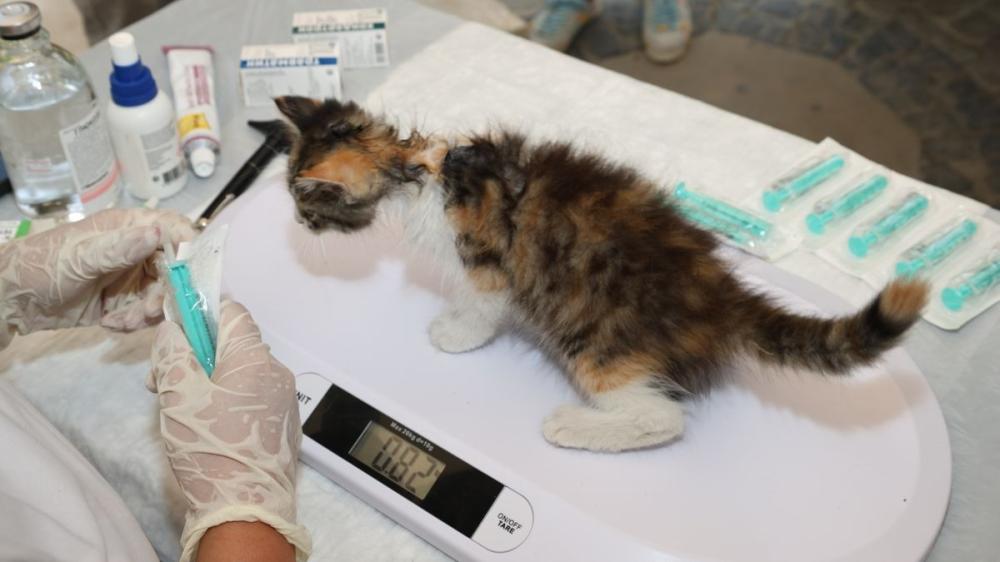
Caring for your cat after spaying or neutering comes down to three things: a quiet, warm place on the first day, protecting the wound from licking and jumping, and watching appetite and activity until the risk has passed. Most cats recover in about 10 to 14 days when the veterinarian's instructions are followed.
At Cute Cat, we believe that what you do at home makes up half the success of the surgery. This article focuses on care before and after the procedure. For the wider picture, see Cat Surgeries and Check-ups: The Complete Guide Before and After the Operation.
Quick summary
- Follow the fasting instructions before surgery exactly, and prepare a quiet room before your cat comes home.
- First 24 hours: drowsiness and mild unsteadiness are normal. Offer a small meal and keep water nearby.
- A protective cone and no jumping for 10 to 14 days protect the wound from infection.
- If your cat refuses food for more than 24 hours or the wound changes in appearance, call the vet right away.
Preparing Before Surgery: What Do You Need to Do?
Ask your vet about the fasting period before the appointment. Food is usually withheld for a set number of hours so your cat does not vomit during anesthesia. Instructions about water can differ from one clinic to another, so follow what you are told.
Get your home ready before you leave with your cat:
- A small, quiet room away from children and other pets.
- A clean, low bed that your cat does not need to jump to reach.
- A litter box nearby that is easy to step into.
- A secure, closed carrier for the trip there and back.
Tell the vet about any medication your cat takes or any previous health problem. If your cat is in heat or might be pregnant, the vet will decide on the right course of action.
At Cute Cat, we recommend booking the surgery on a day when you can stay with your cat, since the first 48 hours are the most important for monitoring.
The First 24 Hours After Surgery
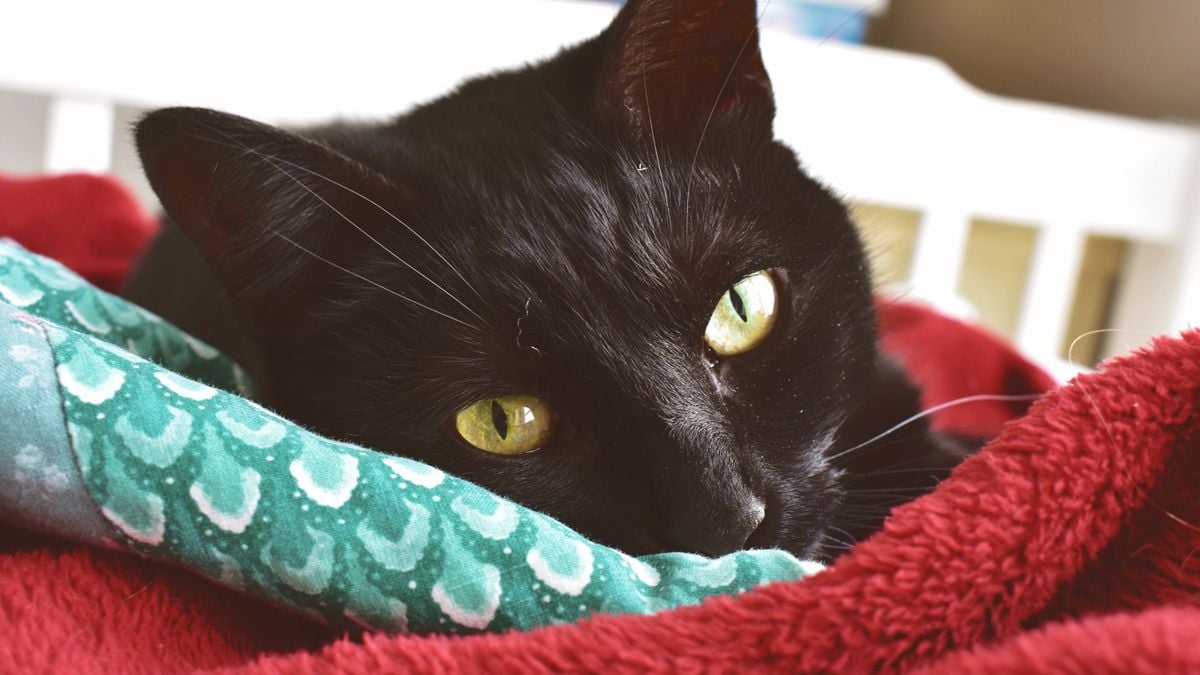
Your cat will often come home sleepy and slightly unsteady because of the anesthesia. This is normal in the first few hours, and she may also meow more than usual or hide away.
- Place her in the prepared room and gently close the door.
- Keep her away from stairs and high places until she regains her balance.
- Provide moderate warmth, and avoid placing a direct heat source on her.
- Do not press on her belly when you pick her up, and carry her as little as possible.
If severe lethargy or difficulty waking up continues after the first day has passed, call the clinic and do not wait.
Food and Water After Surgery
Start with a small, light meal a few hours after getting home, as your vet advises. Then return gradually to the usual amount the next day. Her appetite may dip for a day, which is usually not a cause for concern.
Put clean water close to her and encourage her to drink. If she refuses food for more than 24 hours, that is a sign you should call the vet.
After spaying or neutering, a cat needs less energy and may tend to gain weight. Talk to your vet about the type and amount of food for the following weeks.
Caring for the Wound and the Protective Cone
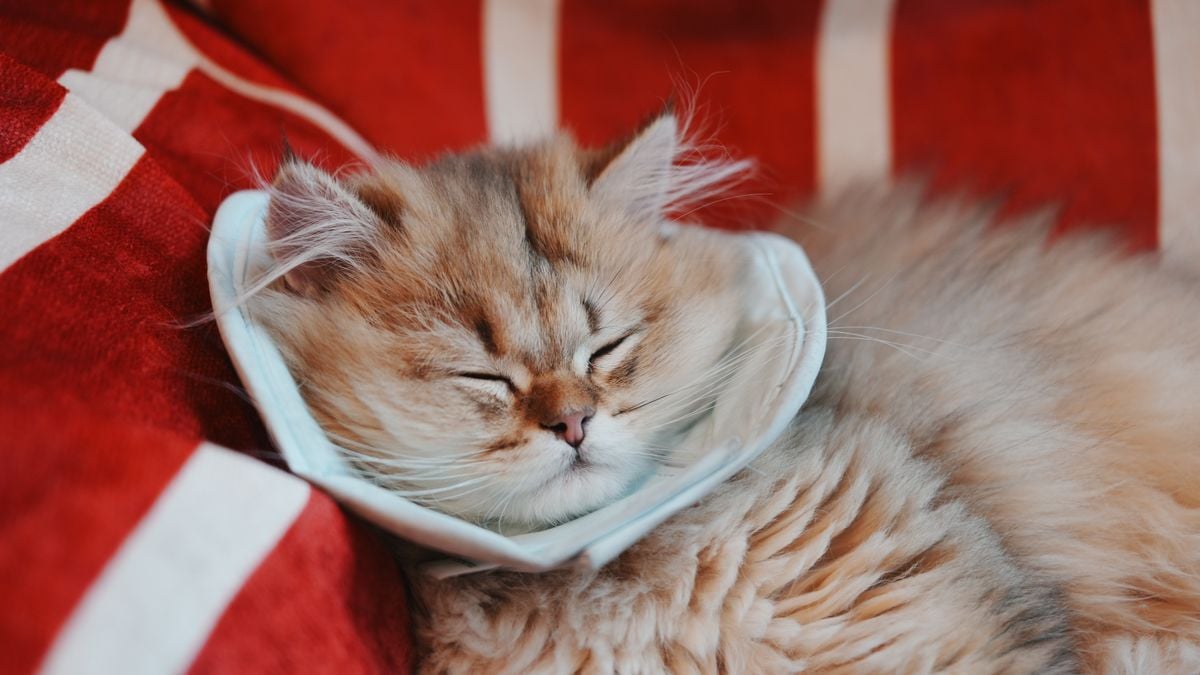
Check the wound once or twice a day by looking only, without touching or cleaning it unless your vet recommends it. A healthy wound looks light pink with edges that are closed together.
Watch for these changes:
- Severe redness or swelling that grows worse day after day.
- Fluid, pus, or a foul smell.
- The wound opening up or tissue showing through.
Keep the protective cone or surgical suit your vet prescribes on for the whole period specified. Licking the wound is one of the most common causes of infection and of stitches opening, and the cone should not come off just because your cat seems comfortable.
Do not apply creams or antiseptics to the wound without your vet's direction, and never give your cat human painkillers, because some are toxic to cats. You can read the guide to cat medications and safe use to understand why caution matters.
Put off bathing and avoid getting the wound wet until your vet allows it.
Movement and the Litter Box During Recovery
Prevent jumping, running, and climbing for 10 to 14 days, or as long as your vet specifies. The inner layers need time to heal, even if your cat seems completely energetic.
If you have more than one cat, separate them temporarily. Rough play, or another cat licking the wound, can cause problems.
Your vet may prefer a fine, low-dust litter or a paper-based litter in the first few days, because coarse granules can stick to the wound. Ask which type is best for your cat.
Keep an eye on urination and bowel movements. If a full day passes without urinating, or she seems to be in pain when she urinates, call the vet.
Warning Signs After Spaying or Neutering
These signs call for contacting the clinic the same day:
- Refusing food for more than 24 hours.
- Repeated vomiting.
- Severe lethargy or weak responsiveness.
- Pale gums, difficulty breathing, or panting.
- Bleeding, swelling, or discharge from the wound.
- The wound opening up or something protruding from it.
- No urination for the whole day.
Early intervention is easier and less stressful for your cat. If moving a sick cat is hard for you, ask about the mobile veterinary clinic and whether it suits her condition.
How Long Does Spaying a Female Cat Take, and When Does She Recover?
The surgery itself is relatively short, but your time at the clinic includes the exam, preparation, anesthesia, and then waking up. So your cat usually comes home the same day or after a short period of observation, depending on the vet's judgment.
Recovery differs between the sexes. Male cats usually recover faster, while females need longer care because the surgery is in the abdomen. In both cases, the restrictions generally end after 10 to 14 days.
The vet will usually set a follow-up appointment to check the wound or remove stitches, if there are any. Do not miss this appointment even if your cat seems fine.
This content is for general awareness and does not replace a veterinary examination. The instructions of the vet who performed your cat's surgery are the first reference.
Related Articles
- Cat Surgery and Tests: The Complete Guide Before and After the Procedure
- Cat Medications: Your Complete Guide to Veterinary Pharmacy and Safe Use
- Cat Diseases and Treatment: The Complete Guide to Symptoms and When to See a Vet
- Cat Food: The Complete Guide to Feeding Your Cat from Kitten to Senior
Frequently Asked Questions
Is it normal for a cat to change after spaying or neutering?
Yes, she may be calmer or more tired in the first few days. After recovery, heat-related behaviors such as frequent meowing usually decrease. If you notice a major or lasting change in her behavior, have her seen by the vet.
When can I bathe my cat after spaying or neutering?
Once the wound has healed and your vet gives the go-ahead, which is usually after the recovery period ends. Until then, a light cleaning around the mouth and paws is enough if needed.
Should I leave my cat alone after the surgery?
It is best for someone to be with her during the first 24 to 48 hours. After that, she can be left for short periods in the prepared room, wearing a suitable cone.
What should I do if she licks the wound or removes the cone?
Put the cone back on, then check the wound. If you see redness, opening, or discharge, call the vet, and it helps to take a photo of the wound to show them.
When does a cat go back to her usual food?
Usually the day after surgery. If eating does not return to normal within a day or two, check with the vet.
If you are planning to spay or neuter your cat, or need an exam before surgery and follow-up afterward, the Cute Cat team would be happy to welcome you both at the veterinary clinic, so you can feel reassured about your cat at every step.